How ChatGPT Chooses Sources: The B2B Guide to AI Citations
Part of How AI Engines Choose and Cite Sources: A Guide to B2B Citation Attribution · The Definitive Guide to Answer Engine Optimization: Scaling B2B Authority in the Era of Generative AI
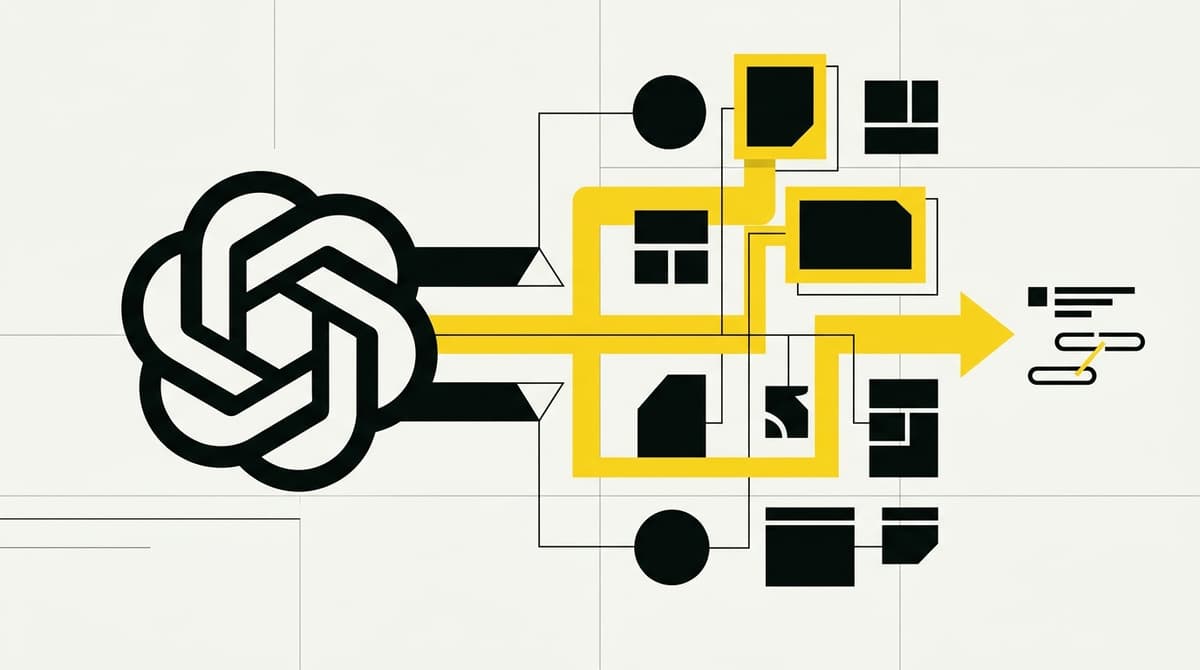
ChatGPT chooses sources by analyzing its training data patterns and retrieving live web information for real-time queries, prioritizing highly structured, factual, and direct answers. It selects authoritative pages that resolve specific questions with clear headings, schema markup, and consistent cross-source validation to ensure accuracy and machine readability.
Why do AI assistants prioritize specific B2B websites?
AI assistants prioritize specific B2B websites because they publish highly structured, direct, and factual answers to precise technical questions. These platforms reward clear documentation over vague marketing copy, making structured knowledge easier for language models to crawl, synthesize, and cite as trusted authoritative reference points.
Modern B2B buyers increasingly ask AI assistants for vendor shortlists and comparisons before contacting sales. Because of this, owning the answer across the entire buyer journey—from the initial problem search to comparative investigation—compounds brand visibility. AI systems can only cite what is published, which favors companies that document their unique expertise transparently and publicly on their own websites.
How does ChatGPT choose which sources and brands to cite?
ChatGPT chooses sources by evaluating factual consistency, structural clarity, and real-time search relevance. It favors websites that present answers directly under clear headings, utilize schema markup, and possess verified brand citations across independent web directory databases, public documentations, and authoritative industry ecosystems.
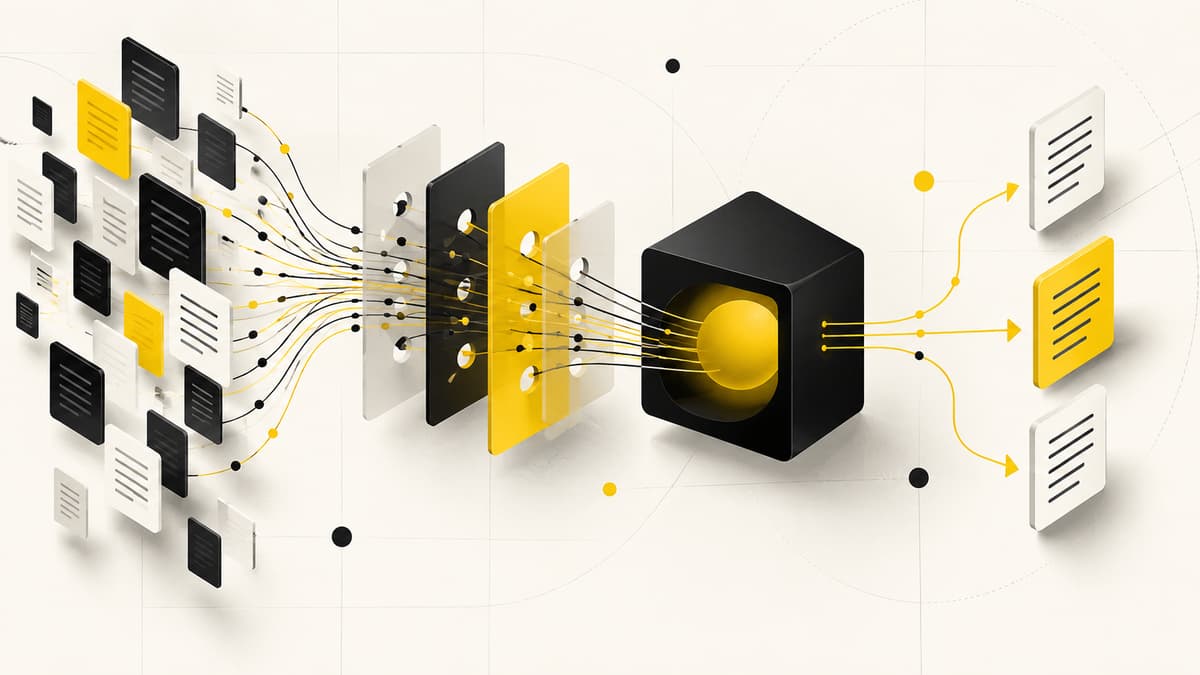
When analyzing how ChatGPT chooses sources, we observe that the engine combines patterns within its offline training data with active live-web retrieval processes when answering current informational queries. To secure these citations, brands must focus on how AI engines choose and cite sources rather than just being found. ChatGPT tends to reuse sources that answer questions directly, with a highly organized layout and verifiable facts.
| Optimization Goal | AEOmachine | Traditional Methods |
|---|---|---|
| Target Metric | AI Citations & LLM Visibility | Keyword Rankings & Click Volume |
| Content Structure | Canonical direct-answer pages | Long-form keyword-stuffed blogs |
| Schema & Tech Markup | Advanced FAQ, entity & product schema | Basic metadata only |
| Validation Process | AI visibility tracking & sampling | Rank tracking & standard analytics |
Maximize your visibility in AI-generated search results. Explore AEOmachine's automated Answer Engine Optimization platform today to secure your brand's position in ChatGPT and Gemini citations.
How can B2B brands optimize content for AI citations?
B2B brands optimize content for AI citations by creating dedicated canonical answer pages for precise customer queries, keeping facts consistent, and deploying structured data. This structured approach, combined with an llms.txt file and a B2B guide to generative AI search, signals clear machine-readable context that makes content easy for LLMs to crawl and attribute.
Implementing an AEO strategy based on company knowledge begins by utilizing the specialized expertise your company already possesses. This includes engineering specifications, manufacturing tolerances, and exact customer support answers. Deploying structured schema markup—such as Organization, Product, and FAQ schema—translates your website's human-readable pages into clean data blocks for machine consumption. Additionally, publishing a public llms.txt file at your root directory serves as a clear invitation and roadmap for AI bots, pointing them directly to the exact canonical answers you want them to synthesize.
What does AI understand about your company?
See who it finds, who it trusts and where you appear.
See your marketHow does ChatGPT choose which sources and brands to cite?
ChatGPT chooses sources based on structural clarity, factual consistency, and live-web retrieval relevance. It extracts direct answers from authoritative, machine-readable websites that use structured schema and present verified data that matches training set patterns.
What is an llms.txt file and does it help?
An llms.txt file is a proposed convention located at the site root that curates the content a site offers to language models. While support is voluntary, it serves as a low-cost signal directing LLMs directly to your canonical answers.
How does AEO differ from traditional SEO?
AEO targets the direct synthesized answer a user receives from an AI system, whereas classic SEO focuses on ranking links on a search engine results page. Both are complementary, as AEO pages still rely on crawlability and indexing.
Why do B2B buyers use AI assistants for vendor research?
B2B buyers ask AI assistants for vendor shortlists and comparisons to streamline their initial investigation. This allows buyers to form clear brand opinions and establish vendor familiarity long before they make direct contact with a sales representative.
How can we measure our brand's AI search visibility?
AI visibility is measured by regularly prompting AI engines with industry-specific problem queries and tracking brand mentions over time. Because AI answers fluctuate, repeated sampling is required to accurately monitor brand share-of-voice.