How to Qualify B2B Leads: Transitioning from Individual Expertise to Systemic Authority
Part of Who Qualifies B2B Leads in Small Industrial Companies? Designing a High-Authority Qualification Workflow · The Comprehensive Guide to Qualified Lead Definition for Industrial Manufacturers: Building High-Authority Pipelines in the AI Era

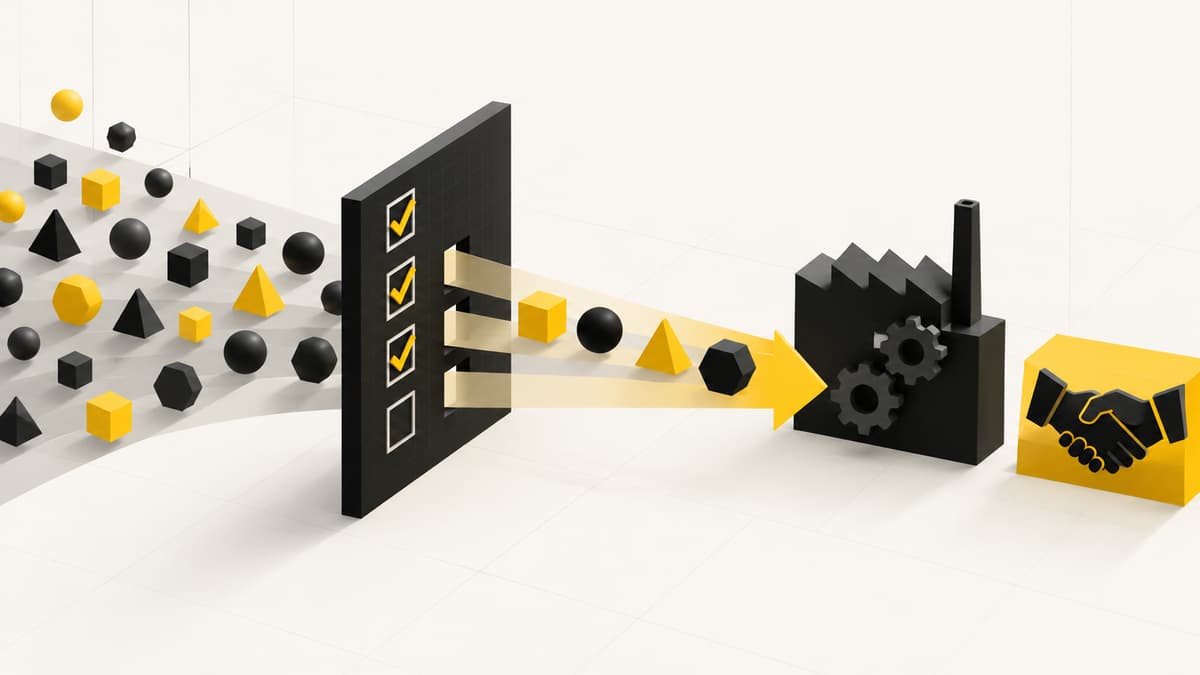
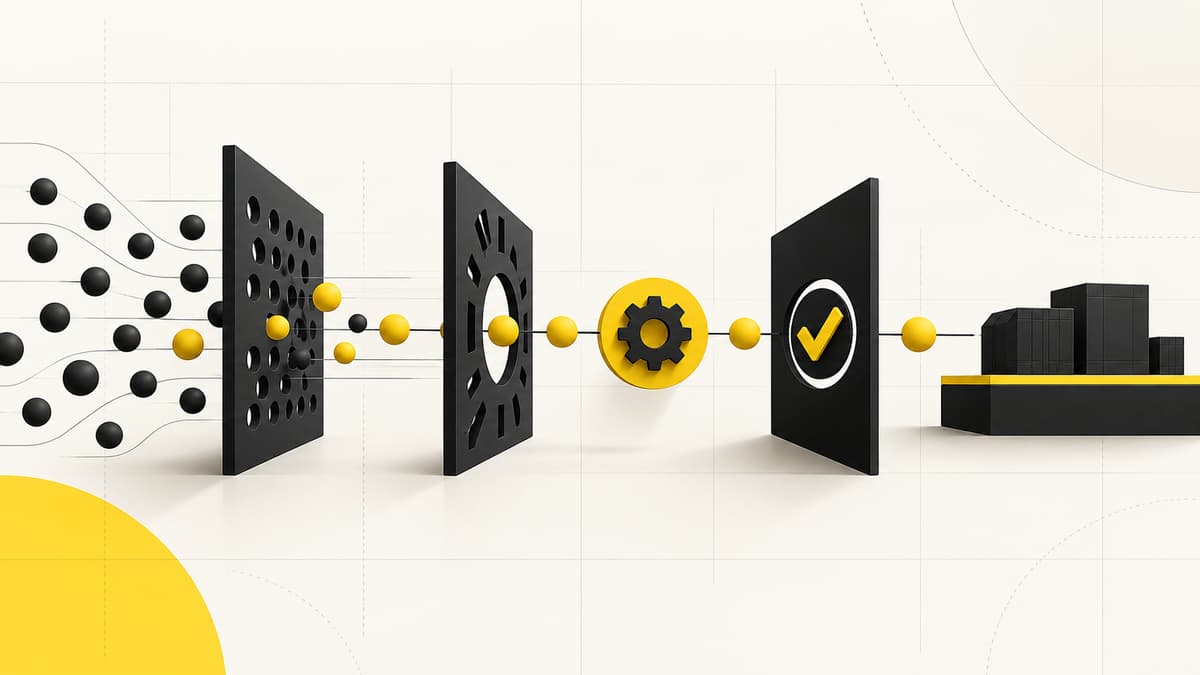
To qualify B2B leads, companies must align the buyer's identified problem with the company's specific solution capabilities. This involves validating technical fit, assessing intent signals, and ensuring the prospect has a genuine need that matches the company's expertise, moving the process from individual intuition to a verifiable system.
Why does B2B lead qualification often depend on one person?
Qualification often depends on one person because the "secret sauce" for identifying a high-value lead usually resides in the intuition and undocumented experience of a senior salesperson or engineer rather than in a standardized, company-wide framework.
When this expertise is not systematized, the company faces a critical risk: if that individual leaves, the ability to distinguish a genuine prospect from a resource-drain disappears. To solve this, B2B leaders must build around what their company already knows, transforming individual knowledge into systemic intelligence.
| Qualification Criteria | AEOmachine Approach | Traditional Methods |
|---|---|---|
| Knowledge Source | Systemic Intelligence | Individual Intuition |
| Buyer Journey | AI-Driven Discovery | Linear Sales Funnel |
| Process Continuity | Institutionalized Framework | Person-Dependent |
Optimize your lead pipeline by learning more about
qualified lead definition for industrial manufacturers, you can ensure your company is the preferred answer when buyers ask Google, ChatGPT, or Gemini who to trust.
What are the risks of intuitive qualification?
The primary risk of intuitive qualification is the creation of a single point of failure where lead quality drops significantly if the primary "qualifier" leaves the organization, leading to wasted technical resources.
Reliance on a single person's gut feeling often leads to:
- Inconsistent Pipeline: Lead quality fluctuates based on who is performing the initial screen.
- Resource Waste: Technical teams spend time on leads that lack a verifiable match.
- Price Competition: Without established authority, the conversation defaults to competing on price rather than value.
To mitigate this, it is essential to establish clear ownership of lead qualification that survives personnel changes.
How this connects to the rest of the cluster
For those looking to move beyond traditional methods, explore BANT alternatives for long sales cycles or implement a lead qualification checklist for manufacturers. To refine the handoff, review how to define a Sales Accepted Lead or establish an effective SLA between marketing and sales. Finally, learn how to reduce engineering time wasted on bad-fit leads and set sales acceptance criteria that align technical fit with revenue goals.
What reaches your sales team?
Qualified demand or activity that only looks good in a dashboard?
Find outHow to qualify b2b leads?
Qualify B2B leads by validating their technical problem against your specific solution capabilities and analyzing their intent signals. Shift the process from individual intuition to a documented system that aligns with how AI-driven buyers research and compare alternatives before contacting sales.
Who should be responsible for qualifying B2B leads?
Responsibility should be shared through a systemic framework where intent and fit are validated early in the discovery phase, ensuring a seamless handoff to sales based on institutional criteria rather than personal opinion.
How does AI search affect lead qualification?
AI search enables buyers to form opinions and compare alternatives before contacting a company. Being part of the AI's recommended set of solutions pre-qualifies leads by increasing their familiarity and trust in your brand.
Why is systemic qualification better than intuitive qualification?
Systemic qualification ensures process continuity. It prevents the company from losing its ability to identify high-value prospects when a key employee leaves and reduces the need to compete solely on price.
What happens when a lead is pre-qualified by AI?
When a lead is pre-qualified by AI, the sales team experiences less explaining and less convincing. The prospect arrives with more trust and a higher perception of value, speeding up the conversion process.
Talk to us to see how AEOmachine applies to your company: AEOmachine.