Lead Generation Bottlenecks: How to Fix Execution Lag in Your Workflow
Part of Building a High-Efficiency Content System for Lead Generation: The Industrial B2B Framework · The Definitive Guide to Small Marketing Team Lead Generation: Driving B2B Growth with Lean Resources

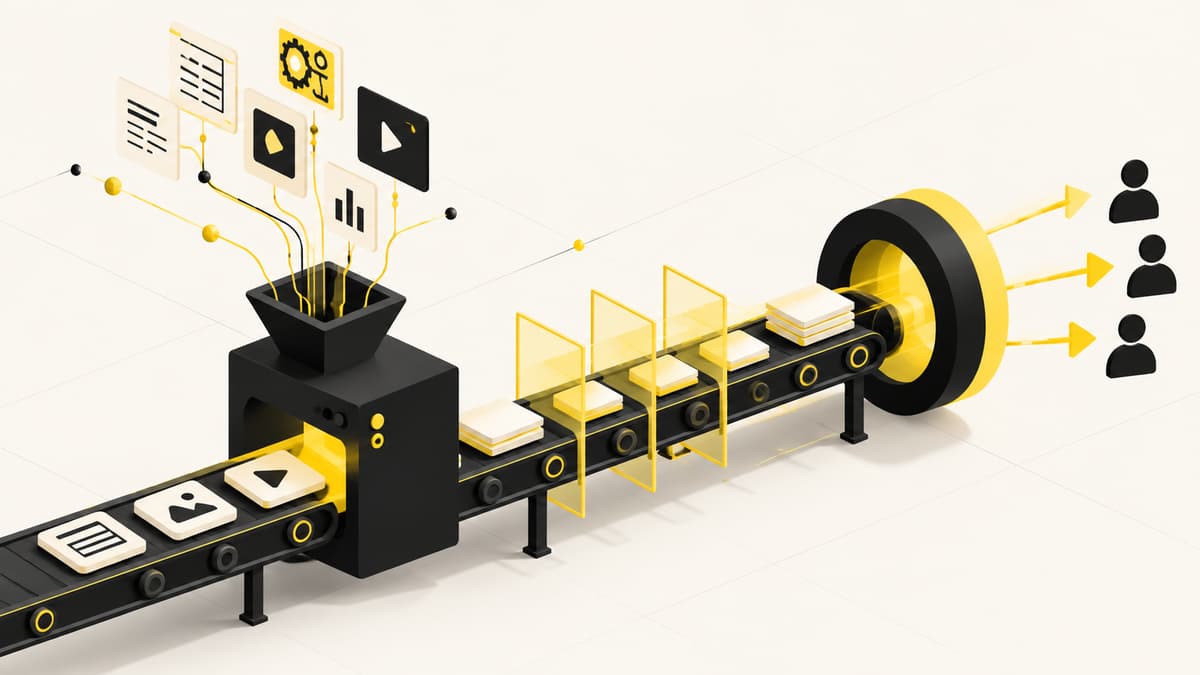
Workflow optimization lead generation bottleneck occurs when operational friction—such as slow agency turnaround for landing page updates—delays the delivery of offers to prospects. Fixing this requires shifting from ticket-based execution to a system where sales intelligence directly informs a real-time, AI-discoverable presence.
Why do execution bottlenecks happen in lead generation?
Execution bottlenecks typically stem from external workflow lag, where relying on third-party agencies for simple changes creates a disconnect between market timing and offer deployment, resulting in lost leads due to slow approval cycles.
When a B2B leader identifies a need for a conversion tweak, the traditional process involves a ticket, a queue, and a delayed deployment. This lag is critical because customers today are not waiting for a sales call; they are already asking Google, ChatGPT, and Gemini what to buy and who to trust long before they contact sales.
| Criteria | AEOmachine | Traditional Agency Model |
|---|---|---|
| Execution Speed | Real-time alignment with sales intelligence | Ticket-based queues and weekly cycles |
| Knowledge Source | Builds around existing company expertise | Generic industry templates and external research |
| Buyer Interaction | Shapes the conversation before the first call | Reactive response to lead forms |
How to solve the execution bottleneck in B2B workflows?
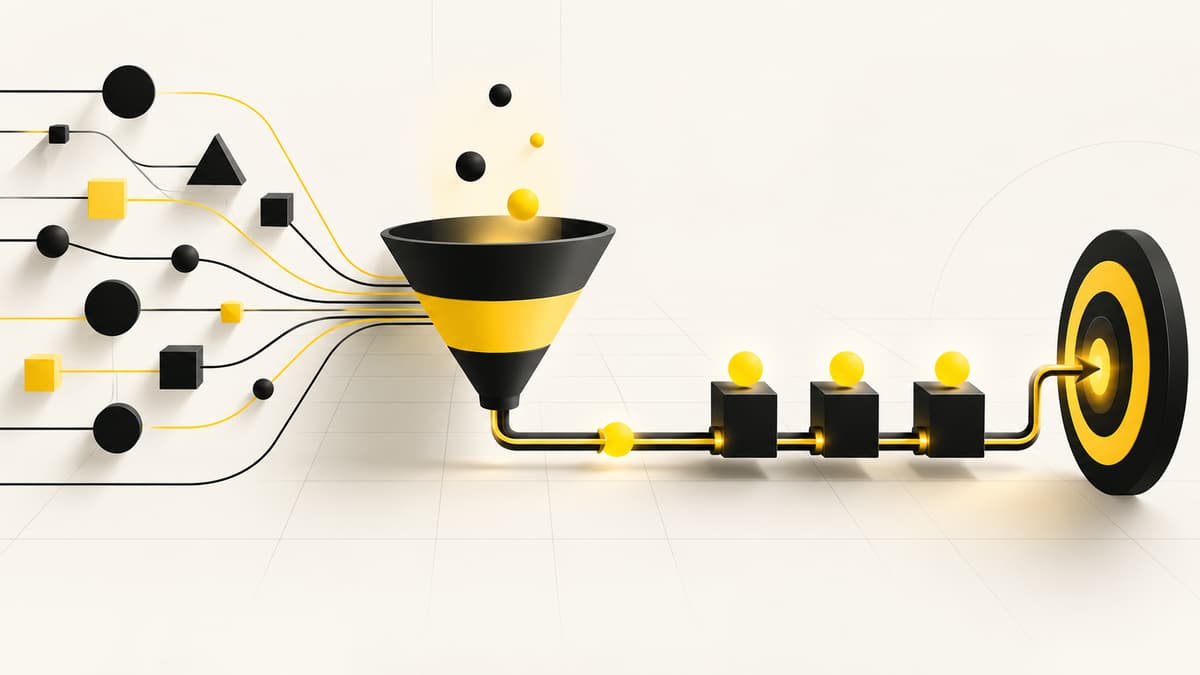
Solving the execution bottleneck requires removing the intermediary lag by integrating your sales team's market intelligence directly into how your company is discovered and understood by AI systems.
Instead of treating your website as a static brochure updated by a third party, it must become a dynamic reflection of what your customers are searching for. Since customers search the problem, investigate solutions, and compare alternatives using AI, your workflow must prioritize being the preferred answer during those early research phases.
- Leverage Sales Intelligence: Your sales team becomes part of the intelligence, feeding real-world market objections and questions back into your content strategy.
- Focus on Early Conversation Shaping: Companies that shape the buying conversation early experience more trust, more perceived value, and less competing on price.
- Aggressive Technology Use: Utilize AI to research, analyze, and improve your presence at a scale that allows you to adapt without waiting for external agency tickets.
For those managing lean resources, understanding how to drive B2B growth with lean resources can help identify where to cut operational fat.
What happens when you optimize for AI discovery instead of just traffic?
Optimizing for discovery ensures that by the time a prospect contacts sales, they are no longer a stranger; they have already formed a positive opinion based on AI recommendations.
The goal is not simply to be found, but to be preferred. When you align your knowledge with how AI chooses what to recommend, you reduce the amount of explaining and convincing required during the sales call. This shift creates more room for margin because the perceived value is established before the price is even discussed.
To avoid the common trap of operational overload, consider how to build a predictable lead pipeline without operational overload by focusing on semantic authority rather than manual logistics.
Further context
To implement these changes, you can translate concepts into deployed outcomes via a structured content framework.
If you are evaluating your current setup, you might step through the procedures needed to deploy a plan that determines if an agency retainer is still the right move.
For those in small manufacturing, you can implement effective lead generation without an agency to eliminate the external execution bottleneck entirely.
Finally, you can run a predictable lead engine with a one or two person team by focusing on the intelligence your company already possesses.
What reaches your sales team?
Qualified demand or activity that only looks good in a dashboard?
Find outHow to fix workflow bottlenecks in the lead generation process?
Fix these bottlenecks by removing reliance on slow external execution cycles and integrating sales intelligence directly into your AI discovery strategy, ensuring your value proposition is understood by AI systems before the prospect ever reaches out.
How does AI affect the B2B buying journey?
Customers now ask AI what matters, what works, and who they should consider, forming opinions and comparing alternatives long before contacting a sales representative.
Why is shaping the early buying conversation important?
Shaping the conversation early leads to increased trust, higher perceived value, and less need for convincing or competing on price during the final sale.
Can a small team manage lead generation without an agency?
Yes, by building around what the company already knows and using technology aggressively to research and improve discovery without needing complex external approval workflows.
What is the difference between being found and being preferred?
Being found is about visibility; being preferred is about ensuring that when AI recommends solutions, your company is the one suggested because it aligns with the user's problem and the market's trust.