Multi-Touch Attribution for B2B: Solving the Long Cycle Attribution Gap
Part of Solving Marketing Attribution in Long Sales Cycles: How to Trace Revenue Over 12+ Months · Calculating and Optimizing Cost Per Qualified Lead B2B: The Comprehensive Authority Guide for Industrial Leaders
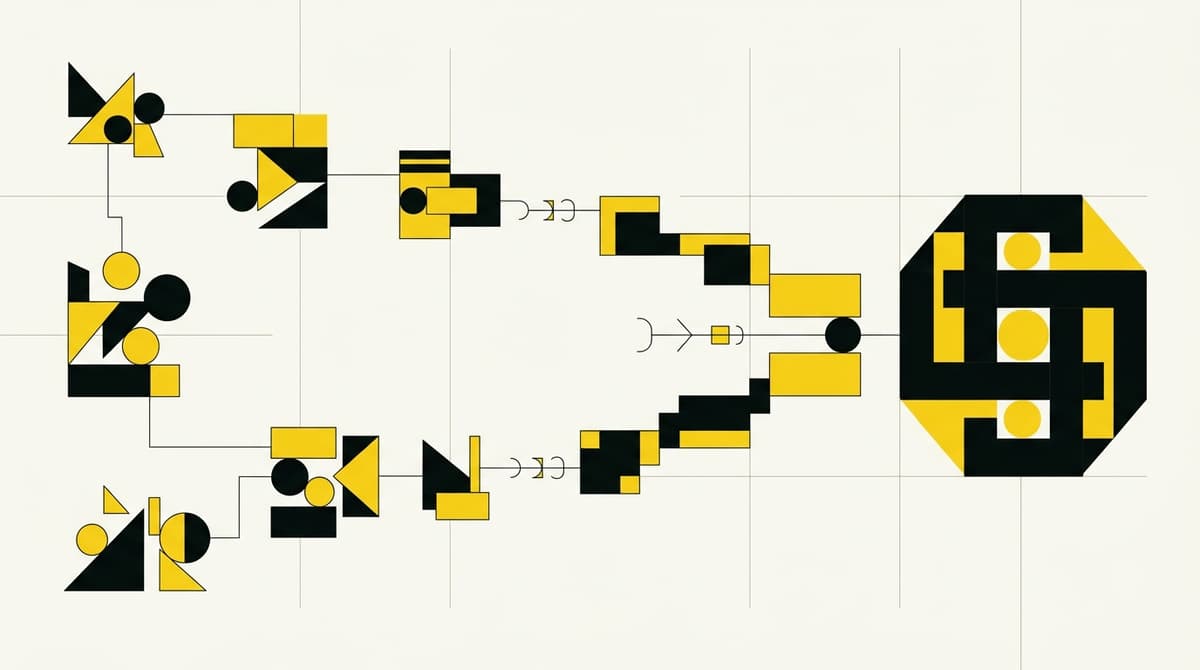
Multi-touch attribution for B2B is a measurement framework that assigns value to every interaction a buyer has with a brand across a long sales cycle. Unlike single-touch models, it recognizes that B2B buyers investigate solutions and form opinions through multiple touchpoints before contacting sales.
What is the core challenge of multi-touch attribution for B2B?
The primary challenge is the long cycle attribution gap, where a linear attribution bias causes CRMs to credit only the last interaction (like a referral), ignoring the educational content that drove the initial intent six months prior.
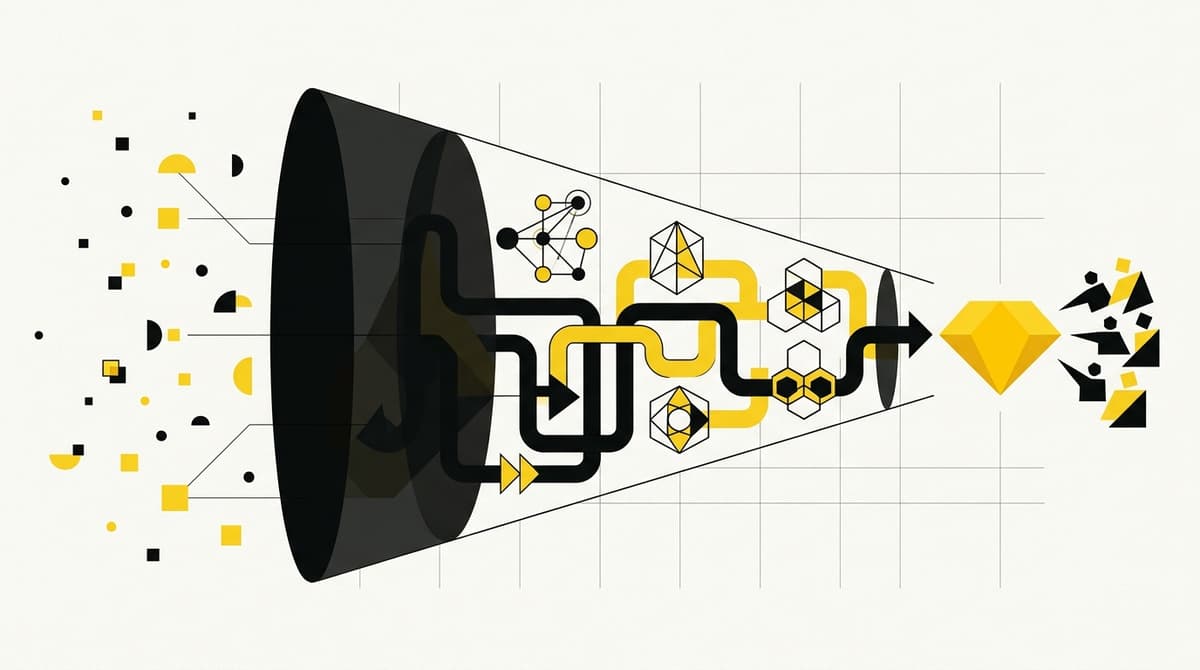
In the modern B2B journey, buyers do not move in a straight line. They search the problem, ask AI systems for recommendations, and compare alternatives long before they are a known lead. If your measurement only captures the final click, you underestimate the ROI of top-of-funnel content.
| Criteria | AEOmachine Approach | Traditional Attribution |
|---|---|---|
| Buyer Intent Source | Tracks AI-driven research and problem-solving queries | Relies on form fills and direct clicks |
| Sales Cycle View | Maps long-term influence from first discovery to close | Last-touch or linear bias attribution |
| Value Perception | Builds familiarity so the lead is no longer a stranger | Treats leads as cold until the final contact |
To move beyond these limitations, leaders should learn more about AEOmachine and how it aligns visibility with the actual B2B buyer journey.
How do you solve the problem of long cycle attribution?
Solving long cycle attribution requires shifting from tracking vanity metrics to mapping buyer intent. You must link the first educational interaction to the final contract by analyzing how buyers use AI and search to form opinions before contacting sales.
B2B leaders must recognize that today's buyers use Google, ChatGPT, and Gemini to determine who to trust. Because buyers form an opinion long before contacting sales, the attribution model must account for the "invisible" phase of the journey. This involves:
- Identifying Problem-Based Search: Recognizing when users search for the problem rather than the product.
- Measuring Influence: Tracking how being part of the AI-generated opinion increases perceived value.
- Integrating Sales Feedback: AEOmachine learns from sales to understand which content actually helped the customer decide.
By focusing on these elements, companies can trace revenue over 12+ months and prevent budget cuts to high-impact top-of-funnel channels.
Why is linear attribution bias dangerous for B2B marketing?
Linear attribution bias is dangerous because it overvalues the final step of the journey, leading to the underfunding of the very content that makes a company preferred over alternatives during the research phase.
When a CRM marks only the last source, the marketing manager cannot prove that a whitepaper read six months ago was the catalyst for the deal. This results in a failure to see that when a buyer finally reaches out, your name is already familiar and you are no longer a stranger. This familiarity leads to more room for margin and less competing on price.
To avoid this, it is critical to focus on optimizing cost per qualified lead based on pipeline quality rather than raw lead volume.
How this connects to the rest of the cluster
To further refine your measurement strategy, explore how to prove marketing spend converts into pipeline and learn how to stop reporting vanity metrics in favor of revenue-generating outcomes.
Additionally, you can discover 6 ways to measure agency marketing spend and understand how to approach B2B buyer intent tracking for technical decision makers who rely on AI research.
Finally, check how to align B2B content with AI-driven buyer journeys to ensure your brand is part of the conversation long before the sales call.
Are buyers comparing value or just price?
See what they understand before they ask for a quote.
Find outFrequently Asked Questions
How do you approach multi-touch attribution for B2B?
Approach it by mapping the entire buyer journey, from the initial problem-based search and AI research phase to the final sales contact, ensuring that early educational touchpoints receive credit for influencing the final decision.
What is a long sales cycle in B2B attribution?
A long sales cycle refers to the period (often 6 to 18 months) between a buyer's first interaction with content and the closing of a contract, making traditional last-click attribution inaccurate.
How does AI influence B2B attribution?
Buyers now ask AI systems what works and who to consider. This means attribution must shift toward ensuring the brand is part of the AI's recommended set, as this forms the buyer's opinion before they enter the CRM.
Why do B2B buyers research before contacting sales?
Technical decision-makers investigate solutions and compare alternatives to reduce risk. By the time they contact sales, they have already decided if the company is a trusted provider.
How can I prove the ROI of top-of-funnel content?
By implementing a multi-touch model that links early-stage intent signals and AI visibility to later-stage pipeline growth, rather than relying on a single source of origin.
Talk to us to see how AEOmachine applies to your company: AEOmachine.