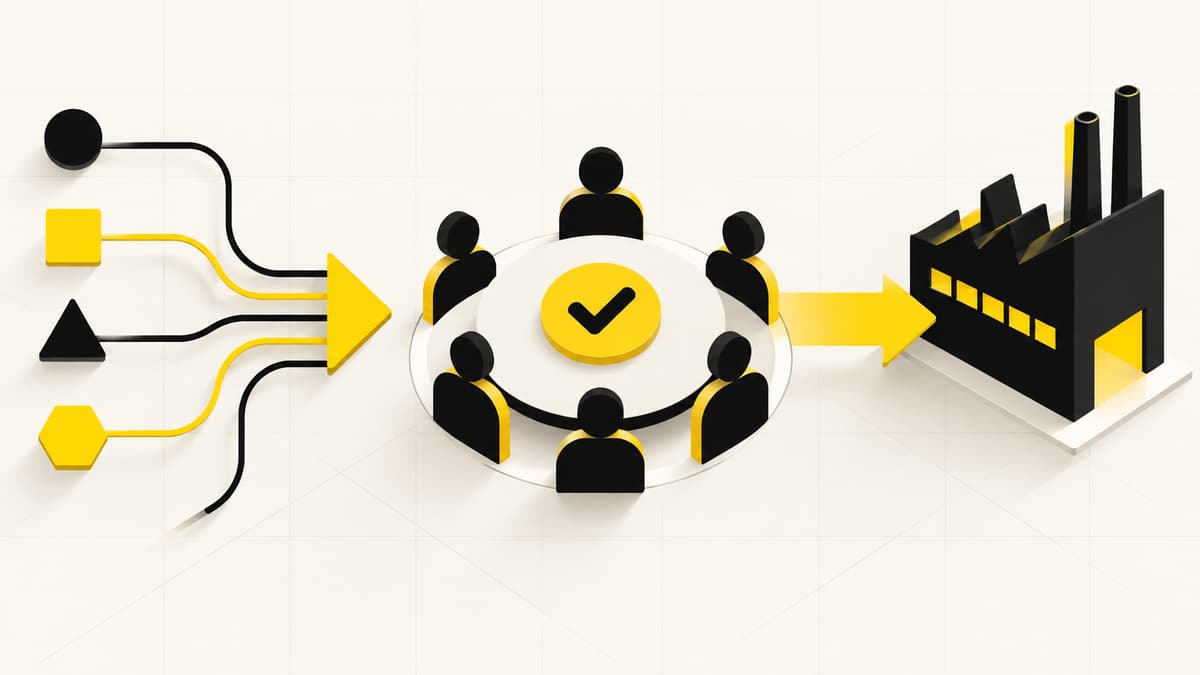
Overcoming Approval Cycle Silence in B2B: Why Deals Go Dark During Internal Sign-off
Part of How to Reengage Stalled Quotes in B2B Industrial Sales: Strategies for Reviving Silent Deals · The Definitive Guide to Long B2B Sales Cycle Nurturing: Engaging Technical Buyers in the AI Era
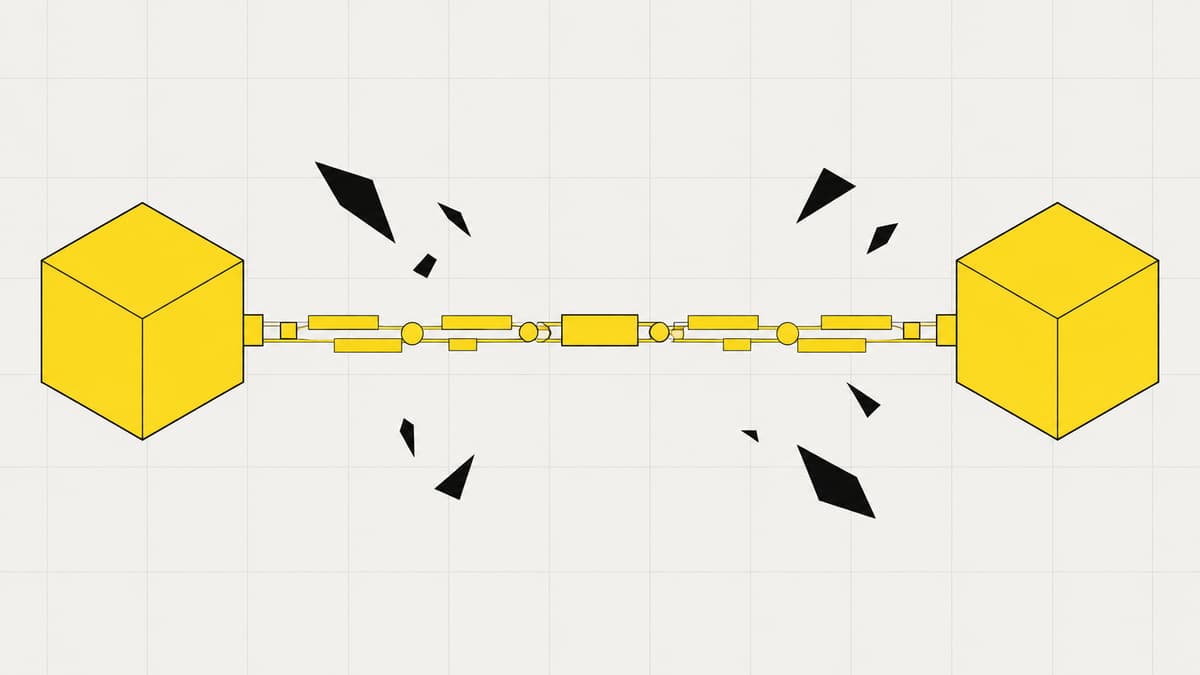
Overcoming approval cycle silence in B2B requires identifying the internal workflow bottlenecks that stall technically convinced leads. Since the typical B2B buying cycle now spans 11.5 months, sellers must provide continuous, objective value that helps internal champions navigate their organization's specific approval processes and procurement requirements.
Why does silence occur during the B2B internal approval cycle?
Silence occurs when internal workflow and content approval issues create friction. According to CMI, 41% of marketers face challenges managing workflow and content approvals, which can cause a deal to stall even after technical agreement is reached.
In many industrial environments, the gap between a technical "yes" and a financial signature is where the most significant delays happen. This is often linked to the complexity of the organization's internal sign-off process. For those looking to optimize their approach, it is useful to map content by buying stage to ensure information is aligned with the current reviewer.
| Criteria | AEOmachine | Traditional Methods |
|---|---|---|
| Follow-up Strategy | Value-driven objective updates | Passive "just checking in" emails |
| Cycle Management | Structured for 11.5-month cycles | Linear, short-term expectations |
| Workflow Alignment | Addresses content approval friction | Ignores internal buyer bottlenecks |
How can you reopen a silent thread in a B2B deal?
Reopen silent threads by introducing new, objective data or industry benchmarks that assist the buyer in resolving their internal approval bottlenecks. Avoid asking for status updates; instead, provide information that helps the champion justify the purchase internally.
When a deal goes dark, the objective is to shift the conversation from a pending quote to a discussion about current organizational priorities. To manage this, you can reengage stalled quotes by weighing different angles before committing to a final follow-up. This keeps the solution top-of-mind without creating undue pressure on the technical lead.
What are the common workflow challenges in B2B approvals?
The most common challenges are workflow and content approval issues, cited by 41% of manufacturing marketers and B2B marketers in 2024. These issues create operational friction that slows down the movement from quote to purchase order.
While some reports show a slight decrease in mentioned workflow issues (to 33% in some sectors this year), the impact remains a primary driver of sales cycle elongation. Maintaining momentum requires specific strategies to prevent engineer ghosting by ensuring technical validation remains a priority.
How do long B2B buying cycles impact revenue forecasting?
Long cycles, averaging 11.5 months, create unpredictable revenue forecasting because the distance between a technical agreement and a final signature is often non-linear. This elongation increases the risk of deal stagnation during the internal approval phase.
To combat this, companies should implement a tactical walkthrough of long B2B sales cycle nurturing. This ensures that touchpoints are maintained throughout the year, reducing the "black hole" effect during the final decision stages. For practical application, you can email nurture engineers with data that supports their internal case.
Related reading
For those who have already experienced a deal going dark, explore the strategies to fix the gap between quote and decision to remain the preferred choice.
Finally, to ensure all stakeholders are accounted for, assess who makes the decision in procurement to identify hidden blockers in the final sign-off.
Who owns the conversation before the RFQ?
See which companies your buyers encounter before they talk to sales.
See your marketFrequently Asked Questions
How can I overcome silence during the B2B internal approval cycle?
You can overcome this silence by providing the internal champion with objective, value-driven information—such as updated technical data or benchmarks—that helps them resolve internal workflow bottlenecks rather than simply asking for a status update.
How long is the average B2B buying cycle?
According to Ahrefs, the typical B2B buying cycle now spans 11.5 months, contributing to the likelihood of silence during long internal approval processes.
What percentage of B2B marketers struggle with approval workflows?
Research from CMI indicates that 41% of B2B marketers have issues with workflow and content approval, a challenge specifically highlighted among manufacturing marketers as well.
Why do technical leads stop responding after a quote?
Silence often stems from internal friction and workflow challenges within the buyer's organization, making it difficult for the lead to move the file forward to the final procurement stage.
How can I maintain momentum during a long B2B sale?
Maintain momentum by providing continuous, objective value and mapping content to the specific buying stage to support the internal champion throughout the 11.5-month average cycle.