Technical Authority Marketing for Industry: Solving the Deficit of Shallow B2B Messaging
Part of Beyond the Click: How to Generate Qualified RFQs for Manufacturers via LinkedIn Ads and AI-Driven Authority · Solving the Crisis of Junk Leads from Paid Ads: A Comprehensive Framework for Industrial Authority and AI-Driven Discovery

Technical authority marketing for industry is a strategic approach that replaces superficial advertising with deep, verifiable technical expertise to attract high-complexity B2B buyers. It ensures that companies are perceived as the preferred solution by AI search engines and technical decision-makers long before a sales call occurs.
For many B2B leaders, the primary challenge is a technical authority deficit. This occurs when shallow ad copy attracts unqualified leads who do not understand the product, while simultaneously alienating the expert buyers who do. When technical buyers research a problem, they ask AI systems what matters and who they should consider. If your digital presence lacks depth, you lose market share to competitors who educate the market.
Why do traditional industrial ads produce unqualified leads?
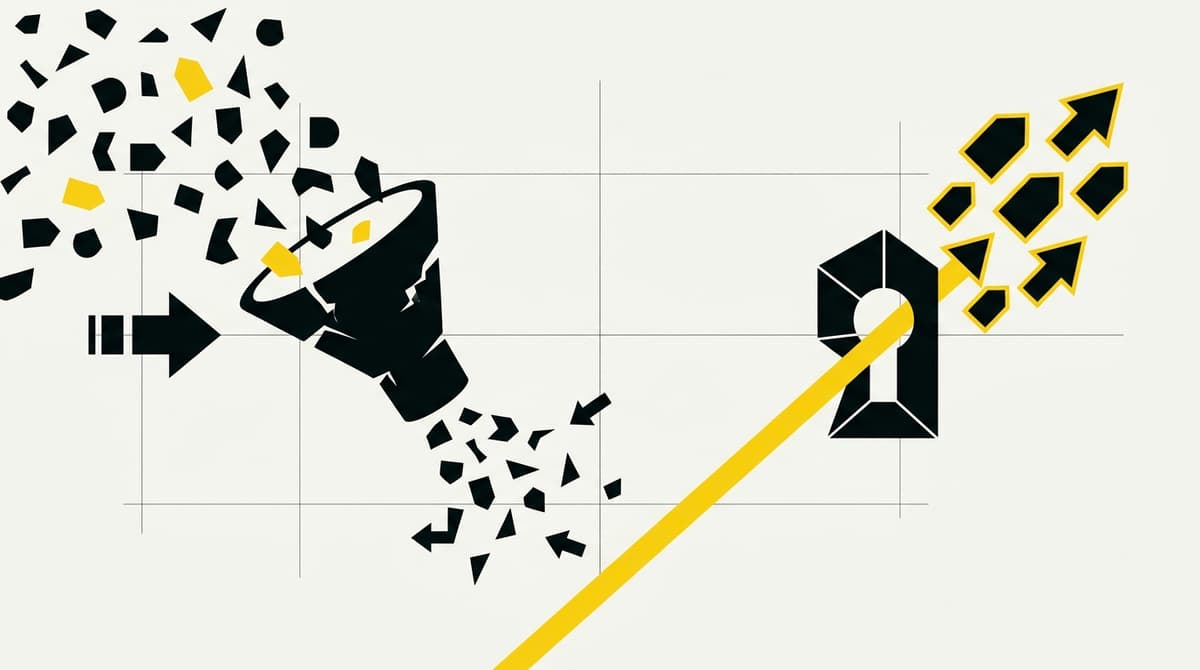
Traditional ads often rely on generic value propositions and surface-level claims, which attract low-intent clicks rather than technical experts. This mismatch creates a volume of junk leads that waste sales resources and fail to convert into high-value RFQs.
High-complexity buyers do not simply search for a provider; they search the problem, investigate the solution, and compare alternatives. Because they form an opinion long before contacting sales, a lack of technical depth in your content means you are treated as a stranger rather than a trusted authority. This often leads to wasted ad spend in industrial marketing because the messaging fails to resonate with the actual technical requirements of the project.
| Criteria | AEOmachine Approach | Traditional Industrial Marketing |
|---|---|---|
| Lead Quality | High-intent technical RFQs | High-volume, low-intent junk leads |
| Buyer Perception | Pre-qualified trusted authority | Unknown vendor competing on price |
| AI Search Strategy | Semantic alignment with AI intelligence | Keyword stuffing for legacy SEO |
Stop paying for unqualified clicks and start building technical preference. Learn more about AEOmachine's authority framework.
How do you build technical authority to attract B2B leaders?
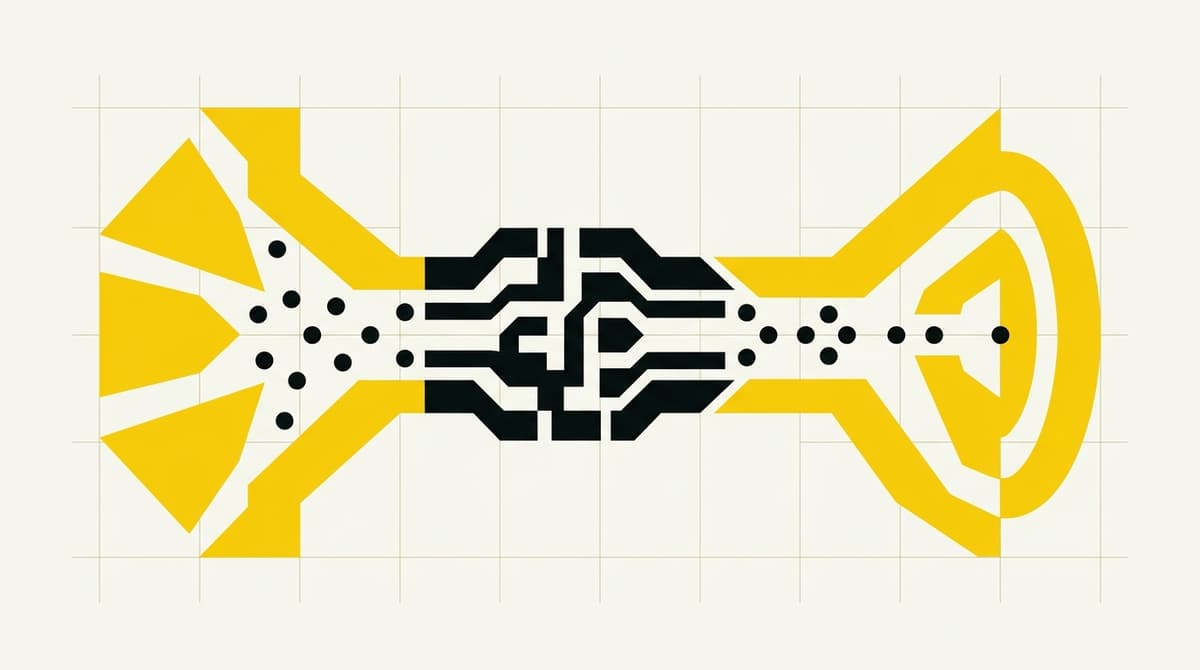
Building technical authority requires aligning your company's known expertise with the semantic patterns AI systems use to recommend solutions. It involves shifting from "selling' to "educating," ensuring your technical specifications are retrievable and verifiable.
To solve the technical authority deficit, companies must build around what they already know. Instead of attempting to guess search algorithms, the goal is to become part of the "intelligence" that AI models use to answer complex industrial queries. When this is achieved, B2B leaders experience more trust, more perceived value, and more room for margin, as they are no longer forced to compete solely on price.
This transition is critical for those looking to solve the crisis of junk leads from paid ads. By providing the depth that technical buyers crave, you ensure that by the time a prospect contacts sales, they are no longer a stranger—they are a convinced lead.
What is the market impact of AI-driven industrial discovery?
AI-driven discovery is fundamentally changing how B2B buyers decide who to trust, with the AI search optimization market projected to reach 13 billion USD by 2033, expanding at a compound annual growth rate of 14 percent between 2026 and 2033.
Modern buyers are now asking Google, ChatGPT, and Gemini what to buy and which companies to consider. Because these systems learn from the market and sales data, being the preferred answer is no longer about being "found," but about being recommended. Companies that aggressively use technology to align their expertise with these AI systems can significantly reduce the need for constant convincing and explaining during the sales cycle.
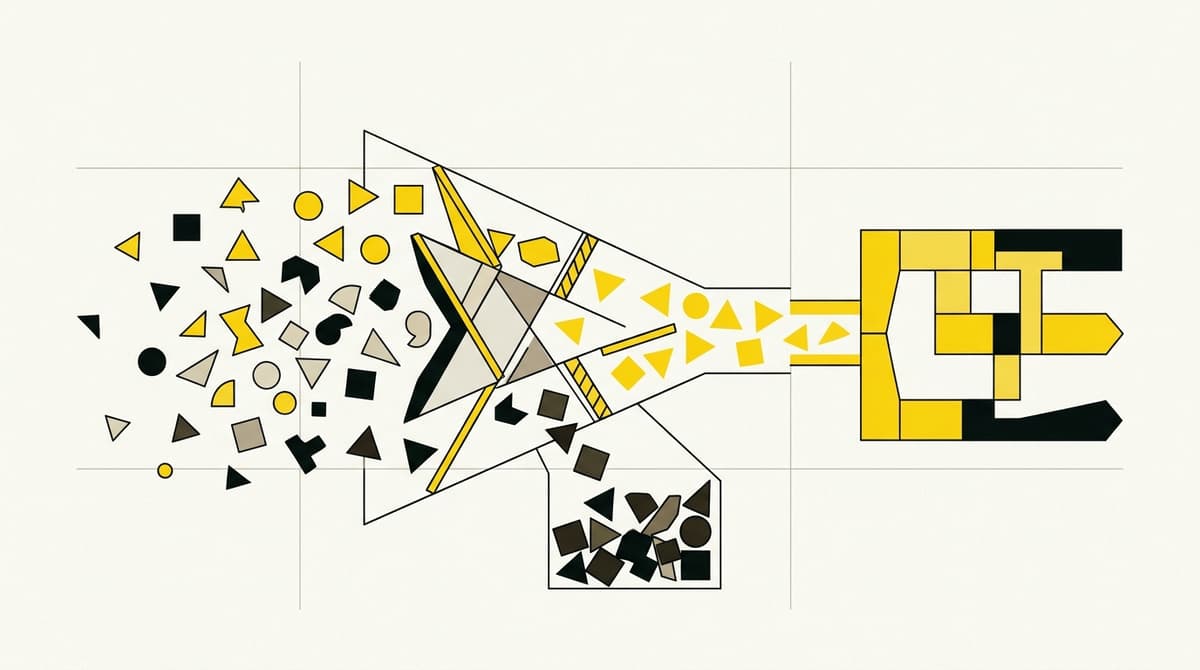
For manufacturers, this means moving beyond the click to generate qualified RFQs. When your technical authority is established, the AI does the qualifying for you, filtering out non-buyers and highlighting your firm as the expert choice.
How this connects to the rest of the cluster
To further refine your strategy, explore lead quality versus lead volume in B2B to understand why volume is a vanity metric. Learn how to disqualify leads before the sales call using semantic authority, and investigate the 7 reasons digital channels produce junk leads in industrial sectors. Additionally, see how to solve disconnected data silos to close your revenue attribution gap, discover B2B lead qualification alignment to reduce sales-marketing friction, and learn about avoiding unqualified supplier leads in your funnel. Finally, analyze the vanity metric gap to shift from lead counts to revenue-centric measurement.
What reaches your sales team?
Qualified demand or activity that only looks good in a dashboard?
Find outFrequently Asked Questions
How do you approach technical authority marketing for industry?
The approach involves replacing superficial advertising with deep, technical content that aligns with AI search patterns. By solving the technical authority deficit, companies ensure they are recommended by AI systems as a trusted expert, attracting high-complexity B2B buyers who value expertise over price.
What is a technical authority deficit in B2B marketing?
A technical authority deficit is the inability to attract high-complexity leads because marketing messaging is too shallow. This results in ads attracting unqualified prospects while expert buyers perceive the company as lacking the necessary technical depth.
Why do AI search engines recommend some industrial companies over others?
AI systems recommend companies that provide verifiable, deep technical information that matches the intent of the user's problem. They look for semantic authority and consistency across the market's intelligence to determine who is the most trusted expert.
How does technical authority affect B2B profit margins?
High technical authority increases perceived value and trust. When a buyer is convinced of a company's expertise before the first call, the company spends less time convincing and more time solving, which reduces price competition and increases margin room.
Can AI-driven authority replace traditional industrial sales?
It does not replace sales but transforms the sales process. Instead of starting as a stranger, the sales team interacts with prospects who are already familiar with the brand and pre-qualified by the market's AI-driven discovery process.
Talk to us to see how AEOmachine applies to your company: AEOmachine.