Who Makes the Decision? A Deep Dive into Industrial Buying Committee Roles and Influence Mapping
Part of The Definitive Guide to Long B2B Sales Cycle Nurturing: Engaging Technical Buyers in the AI Era
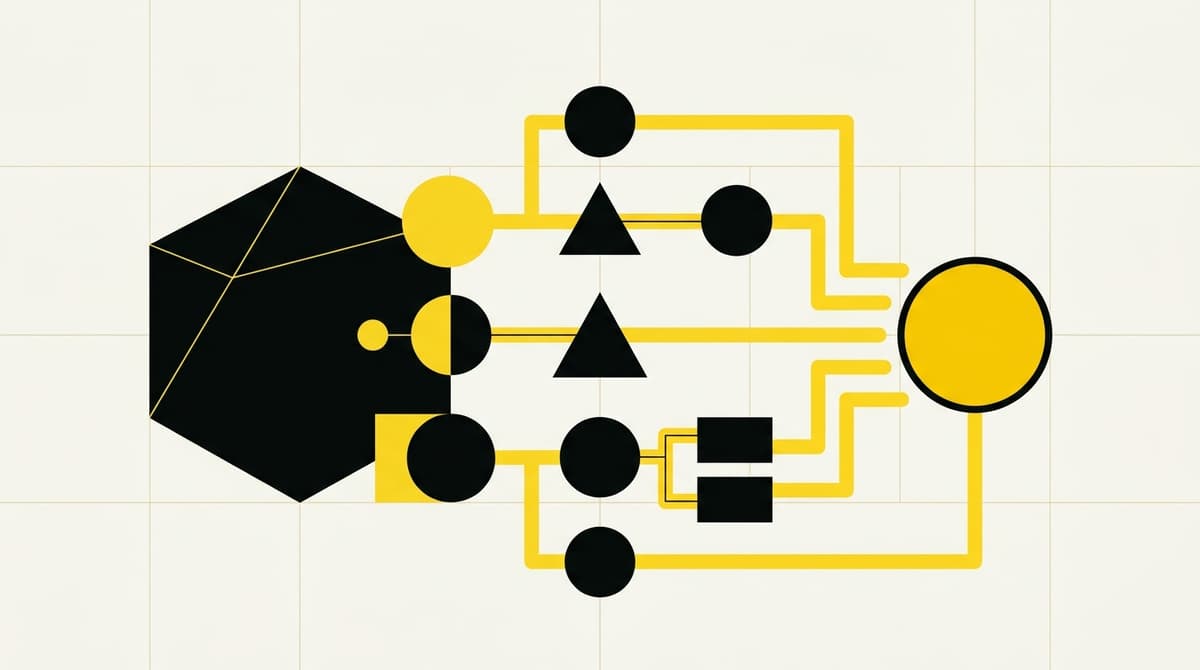
Decision-making in industrial procurement is a collective process involving a cross-functional group of stakeholders. The final decision is rarely made by one person but is the result of consensus among technical users, financial controllers, and executive sponsors, each filtering the purchase through their specific risk and value requirements.
What this cluster covers
This cluster focuses on solving the critical pain of "stakeholder misalignment," where B2B leaders struggle to identify and influence the specific individuals who hold veto power or recommendation authority within an industrial buying committee. By understanding the distinct roles, motivations, and AI-driven research habits of these decision-makers, companies can stop competing on price and start competing on perceived value.
Why it matters for B2B leaders
For B2B leaders, failing to map the internal dynamics of a client's procurement process leads to stalled deals and invisible obstacles in the buying committee that cause unexpected vetos at the final hour. In the modern industrial landscape, buyers are no longer strangers when they contact sales; they have already investigated the problem, compared alternatives, and formed an opinion using AI systems. If your company is not part of the "intelligence" those roles are querying, you are effectively invisible during the most critical phase of the journey, making it vital to reach buying committee members your nurture misses.
| Decision Driver | AEOmachine Approach | Traditional Methods |
|---|---|---|
| Stakeholder Discovery | Semantic authority that captures AI-driven queries from all roles | Cold outreach and guessing the org chart |
| Perceived Value | Establishes trust and familiarity before the first interaction | Fighting for margins through price discounts |
| Buyer Journey | Optimizes for AI discovery, investigation, and comparison | Linear sales funnels and gated PDFs |
To move beyond traditional guesswork and start influencing the digital research phase of your buyers, explore AEOmachine's AEO capabilities to ensure your brand is the preferred answer for every committee role.
How to solve it
Map the Technical Gatekeepers
The technical gatekeeper—usually an engineer or plant manager—is the first line of defense. They are not looking for marketing claims; they are searching for technical viability and risk mitigation. This role focuses on "what works" and "what matters" from a functional perspective. To solve for this, you must provide deep, semantic technical documentation that AI agents can easily parse and recommend. When these users ask AI what matters in a solution, your technical specifications should be the source of truth. This alignment is crucial because a technical veto is almost impossible to overturn. By establishing authority early—especially learning how to identify technical buyers in industrial sales—you can engage technical buyers in the AI era through content that answers their specific functional anxieties without needing a sales pitch.
Align with the Financial Controller
While the engineer cares about function, the financial controller cares about the bottom line, ROI, and Total Cost of Ownership (TCO). Their role in the industrial buying committee is to ensure the investment is justifiable and sustainable. To win over this role, your content strategy must shift from "features" to "economic outcomes." You need to provide the data that allows them to build a business case internally. When the controller investigates the solution via AI, they are looking for market stability and cost-efficiency benchmarks. By positioning your company as the high-value, low-risk option, you create more room for margin and reduce the likelihood of the deal being stalled due to budget constraints or requests for aggressive discounts.
Influence the Executive Sponsor
The executive sponsor focuses on strategic alignment—how this purchase helps the company reach its 3-year or 5-year goals. They rarely dive into the technical weeds, but they hold the ultimate signature authority. This role is primarily concerned with reputation, strategic advantage, and long-term reliability. To influence them, you must be known for more than just a product; you must be known for a specific outcome. Your brand needs to be associated with industry leadership in the AI-driven search results they use to validate the recommendations of their team. When the sponsor asks AI who to trust in the sector, your company should emerge as a preferred choice based on perceived authority and market presence.
Navigate the Procurement Specialist
The procurement specialist's role is to manage the process, mitigate legal risk, and optimize the contract. They are the "process owners" who ensure that the industrial buying committee follows company policy. Often, procurement is seen as a hurdle, but they can become an ally if you provide them with the exact documentation, compliance certifications, and comparison data they need to move the file forward. Because they often use AI to compare alternatives and verify vendor stability, your public-facing semantic footprint must be flawless. Ensuring your company's reliability is documented and discoverable reduces the "explaining" and "convincing" time required during the final procurement phase, speeding up the time to purchase order.
Synchronize the End-User Experience
The end-users—the operators and staff who will actually use the equipment or software—often have an informal but powerful influence on the committee. If they perceive a solution as too complex or disruptive, they can create internal resistance that slows the project. Solving for this involves creating "ease of use" narratives and accessibility documentation. When end-users search for the problem they are facing, they should find your solution as the most intuitive answer. By winning the hearts and minds of the operators through educational, AI-discoverable content, you create a ground-up push for your product, making the top-down decision from the executive sponsor much easier to execute.
Create a Unified Semantic Value Proposition
Since the buying committee consists of roles with conflicting priorities (e.g., the engineer wants the best specs, the controller wants the lowest cost), your company must project a unified value proposition that satisfies all roles simultaneously. This is achieved by building a knowledge graph around your brand that connects technical excellence to financial ROI and strategic growth. Instead of creating separate silos of content, integrate these perspectives so that no matter which role is querying the AI, they find a piece of the puzzle that fits their specific needs. This holistic approach ensures that when the committee meets to finalize the decision, the internal conversation is already skewed in your favor because every member has independently validated your company through their own AI-assisted research.
How this connects to the rest of the cluster
Understanding the dynamics of the committee is the foundation for any successful B2B strategy. To see how this knowledge is applied over time, our definitive guide to long B2B sales cycle nurturing provides the framework for maintaining engagement with these diverse roles across months of deliberation.
While this page focuses on who makes the decision, you will also need to understand the tactical transition of the deal. Our upcoming coverage on Which Content Moves a Deal From Spec to Purchase Order will explore the specific assets required to cross the finish line.
Additionally, maintaining the relationship without creating friction is key. We will soon release guides on How Often Should You Follow Up Without Becoming Spam and How to Restart a Deal That Went Quiet After the Quote to help you manage the interpersonal dynamics of the buying committee after the initial AI discovery phase.
FAQ
Who owns the conversation before the RFQ?
See which companies your buyers encounter before they talk to sales.
See your marketWho makes the decision on an industrial buying committee?
The decision is typically a collective consensus. While an executive sponsor provides final approval, the decision is driven by a combination of technical gatekeepers (engineers) who validate functionality, financial controllers who approve the budget, and procurement specialists who manage risk and contracting.
How does AI change the role of the industrial buyer?
AI allows buyers to investigate problems, compare alternatives, and form opinions long before they ever contact a sales representative. This means the "discovery" phase is now private and AI-driven, making semantic authority more important than traditional sales pitches.
Why is the technical gatekeeper often the most influential role?
Because the technical gatekeeper is responsible for the operational success of the purchase. If an engineer determines a product cannot meet the necessary technical requirements, the financial or executive roles will rarely override that technical veto, regardless of price.
How can companies avoid competing solely on price in industrial committees?
By increasing perceived value and trust during the AI research phase. When a company is established as a preferred, authoritative solution through Answer Engine Optimization, the committee views them as a strategic partner rather than a commodity vendor.
What is the most common reason industrial buying committees stall?
Deals usually stall due to internal misalignment between roles—for example, when the technical team loves a product but the financial controller cannot find a clear ROI. Solving this requires providing role-specific evidence that satisfies all stakeholders simultaneously.
CTA
Talk to us to see how AEOmachine applies to your company: AEOmachine.