Centralized Technical Documentation Strategy: Solving Versioning Chaos for B2B Manufacturers
Part of Gated versus Ungated Technical Documents: Optimizing Documentation for AI-Driven B2B Buyer Journeys · The Definitive Guide to Technical Content That Generates Leads for B2B Manufacturers in the AI Era

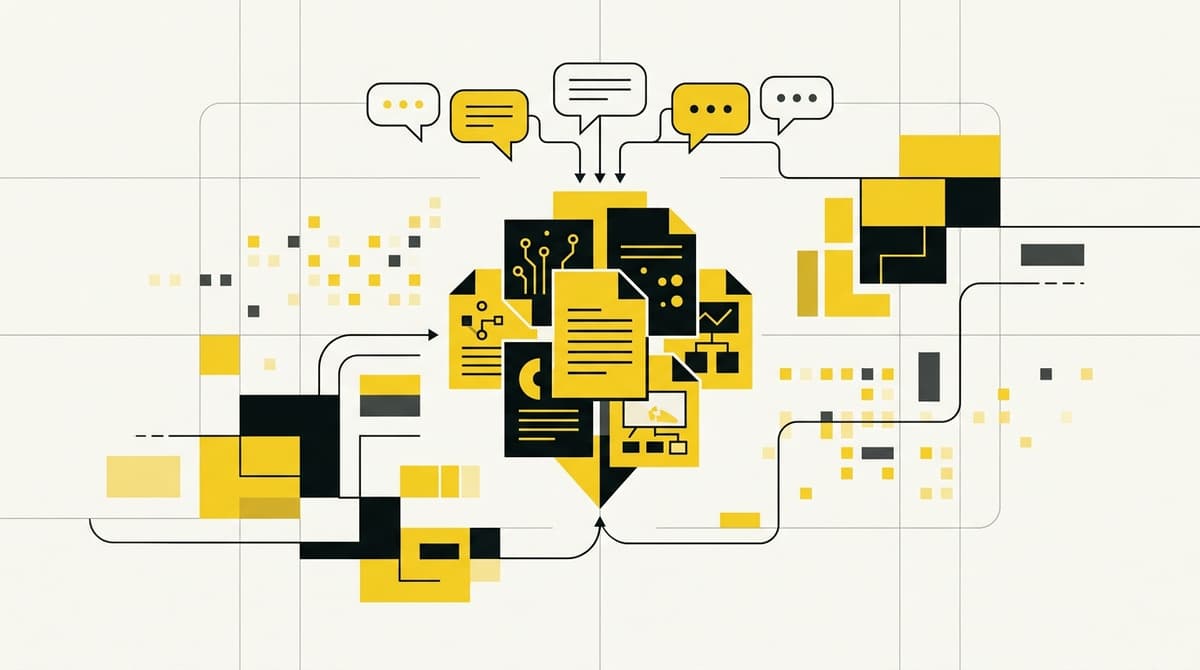
A centralized technical documentation strategy is the practice of consolidating all engineering specifications, manuals, and data sheets into a single, web-accessible source of truth. This approach eliminates versioning chaos by ensuring B2B buyers and engineers always access the most current product iterations rather than outdated PDFs.
Why does decentralized documentation cause versioning chaos?
Decentralized documentation leads to versioning chaos when technical data is trapped in static PDFs across various folders. This causes users to download obsolete versions (e.g., a 2018 manual for a 2023 product), resulting in specification errors and costly returns.
- Static File Dependency: PDFs cannot be updated globally once downloaded.
- Information Silos: Technical data often resides in isolated departmental folders.
- Verification Gaps: Users have no way to verify if the document they hold is the latest release.
- Operational Drag: Factory owners face increased costs due to product returns and loss of credibility.
| Criteria | AEOmachine | Traditional PDF Methods |
|---|---|---|
| Version Control | Single web-based source of truth | Fragmented PDF versions |
| AI Discoverability | Optimized for AI Overviews/SGE | Hidden within static files |
| Buyer Experience | Self-qualifying web pages | Manual downloads and searching |
To stop losing high-intent leads to outdated files, learn more about AEOmachine and how to align technical assets with modern discovery patterns.
How do you approach a centralized technical documentation strategy?
Approaching this strategy requires migrating technical data from static documents into structured, web-based pages. This transforms legacy archives into an active intelligence layer that AI search engines can retrieve and B2B engineers can trust during the research phase.
Effective implementation involves these core pillars:
- Audit the Knowledge Base: Identify all existing technical assets and determine the current "truth" for every product line.
- Convert PDF to Web: Move data from static files to discoverable pages, as detailed in the guide on turning product catalogs into inquiry pages.
- Structure for AI Retrieval: Organize content so that AI systems can easily identify what matters and who to trust.
- Enable Self-Qualification: Use documentation to answer critical questions before the first sales call, effectively transforming technical assets into conversion pages.
What are the business benefits of centralized technical data?
Centralization increases perceived value and improves margins by reducing the need for sales teams to spend time explaining basic specifications. When documentation is discoverable and accurate, buyers form a positive opinion long before contacting sales.
Key business outcomes include:
- Higher Trust: Buyers experience more familiarity and trust when they find verified answers via AI.
- Reduced Price Competition: High perceived value allows for more room for margin rather than competing solely on price.
- Shortened Sales Cycle: Because buyers investigate solutions and compare alternatives using your web-based truth, they are no longer strangers when they contact sales.
- Market Alignment: With the AI search optimization market projected to reach 13 billion USD by 2033, being "part of the intelligence" is a competitive necessity.
How this connects to the rest of the cluster
To fully implement this, start with The Definitive Guide to Technical Content to align your assets with AI discovery. Consider the balance of gated versus ungated technical documents to maximize accessibility. You can also explore optimizing selection guides, deciding if you should gate datasheets, and learning which 9 questions your content must answer. For deeper structural needs, see organizing documentation for developers, mitigating automation risk, understanding why technical archives fail, and converting data sheets into lead engines.
What does AI understand about your company?
See who it finds, who it trusts and where you appear.
See your marketFrequently Asked Questions
How do you approach centralized technical documentation strategy?
You approach it by auditing all decentralized technical assets, converting static PDFs into structured web pages, and organizing that data to be retrievable by AI search engines and B2B engineers, creating a single, verifiable source of truth.
Does centralized documentation help with AI search visibility?
Yes, because AI systems like Gemini and ChatGPT cannot effectively index and recommend data trapped in scattered PDFs. Web-based, structured content makes your technical specifications eligible for AI-driven recommendations.
Will I need to change all my existing technical data?
No, you do not need to change everything. The goal is to build around what your company already knows, transforming existing verified data into a format that aligns with AI discovery patterns.
How does this reduce operational costs for manufacturers?
It reduces costs by eliminating "versioning chaos." When customers access the current web version instead of an obsolete 2018 PDF, specification errors decrease, leading to fewer product returns and less manual support.
Can this strategy improve sales margins?
Yes. By providing high-value, discoverable technical truth, you increase the perceived value of your brand. This reduces the pressure to compete on price and allows for more room for margin.