How to Organize Technical Documentation for Developers to Attract B2B Engineers
Part of Gated versus Ungated Technical Documents: Optimizing Documentation for AI-Driven B2B Buyer Journeys · The Definitive Guide to Technical Content That Generates Leads for B2B Manufacturers in the AI Era
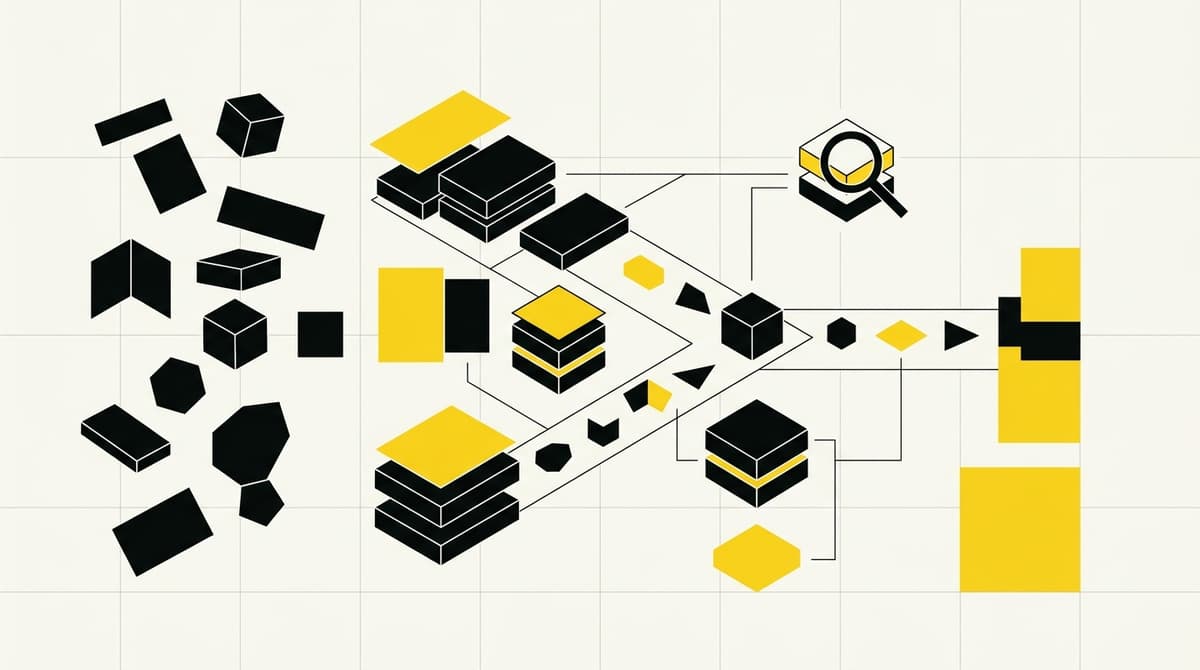
To organize technical documentation for developers effectively, B2B teams must transition from static files to semantic, web-based content. This involves structuring information into discoverable pages that answer specific technical problems, allowing AI engines and engineers to find precise specifications independently before they ever contact a sales representative.
Why is the structure of technical documentation important for B2B sales?
Properly organized documentation reduces friction in the buyer journey by allowing developers to self-serve. When technical assets are structured for discovery, engineers form a positive opinion of the product's viability before the first human interaction, increasing the perceived value of the solution.
- Self-Qualification: Engineers can investigate the solution and compare alternatives using AI tools.
- Trust Building: Providing clear, accessible technical data makes your company a preferred choice.
- Operational Efficiency: Reduces the need for sales teams to answer basic technical questions.
| Criteria | AEOmachine Approach | Traditional Documentation |
|---|---|---|
| Discoverability | Optimized for AI search and semantic retrieval | Hidden in static PDFs or gated portals |
| Buyer Journey | Integrates into AI-driven research phases | Requires manual search or sales contact |
| Value Perception | Higher perceived value through transparency | Friction-heavy access slows qualification |
To ensure your technical assets are working for you, learn more about AEOmachine and how to align your content with modern search intelligence.
How do developers search for technical information today?
Modern developers rarely start with a manual; they search for specific problems using Google, ChatGPT, and Gemini. They ask AI what works and who to trust, meaning your documentation must be structured as direct answers to be recommended by these systems.
According to research, the market for AI search optimization is expanding at a compound annual growth rate of 14 percent between 2026 and 2033, reaching a projected 13 billion USD by 2033 [Source]. This shift means that being "found" is no longer enough; your content must be "preferred" by the intelligence engines developers use.
For B2B leaders, this means transforming complex data into a definitive guide to technical content that generates leads by appearing in the AI's recommendation set.
What are the best practices for organizing technical content for AI discovery?
The best practice is to move away from gated PDFs toward semantic HTML pages. By focusing on how users search for problems rather than how companies categorize products, you ensure that AI systems can extract and present your technical specifications as the definitive answer.
- Answer-Centricity: State technical answers directly and concisely.
- Semantic Hierarchy: Use clear headings that mirror the questions developers ask.
- Accessibility: Balance the need for lead capture with the need for AI discoverability, as seen in the debate over gated versus ungated technical documents.
How this connects to the rest of the cluster
To fully optimize your technical presence, you should also learn how to optimize selection guides to attract qualified leads. Additionally, consider whether you should gate your datasheets to balance discovery with lead generation. You can also explore turning PDF catalogs into inquiry pages and identifying the 9 buyer questions your content must answer to stay competitive.
What does AI understand about your company?
See who it finds, who it trusts and where you appear.
See your marketFrequently Asked Questions
How can B2B teams organize technical documentation for developers?
B2B teams should organize documentation by converting static manuals into semantic, web-based pages. These pages should be structured to answer specific technical problems directly, making them easily indexable by AI search engines and accessible to engineers during their research phase.
Why should technical documentation be web-based instead of PDF?
Web-based content is more easily indexed and parsed by AI systems like Gemini and ChatGPT, ensuring that your technical specifications appear in AI-generated answers rather than remaining hidden in a static file.
How does documentation organization affect B2B lead quality?
When developers can find technical answers independently, they reach out to sales already familiar with the product, leading to higher trust, more perceived value, and less competition on price.
Do AI search engines prefer specific documentation formats?
AI engines prefer structured, semantic data and direct answers over long-form, unstructured narratives, which is why a clear, question-and-answer oriented structure is most effective.
Can organized documentation reduce the sales cycle?
Yes, because the lead forms an opinion and investigates the solution via AI before the first call, the sales team spends less time explaining basics and more time closing the deal.
Talk to us to see how AEOmachine applies to your company: AEOmachine.