Prohibitive CPA in Industrial B2B: Why Ad Bidding Wars Fail and How to Shift Toward Market Preference
Part of Beyond the Click: How to Generate Qualified RFQs for Manufacturers via LinkedIn Ads and AI-Driven Authority · Solving the Crisis of Junk Leads from Paid Ads: A Comprehensive Framework for Industrial Authority and AI-Driven Discovery
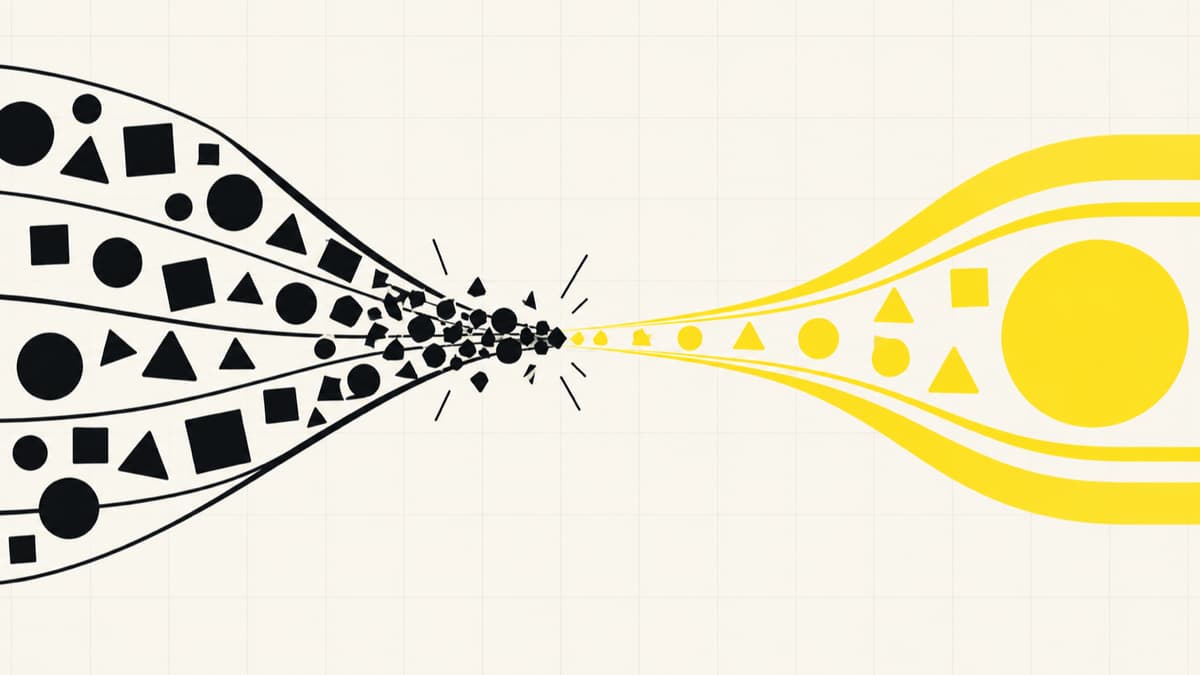
Prohibitive CPA occurs in hyper-specific industrial niches when competitive bidding wars on platforms like LinkedIn Ads drive the cost per lead above the sustainable margin of the product. Solving this requires transitioning from paying for clicks to becoming the preferred answer in AI-driven discovery systems.
Why does industrial lead acquisition reach a prohibitive CPA?
Costs become prohibitive when too many competitors bid on the same narrow set of high-intent keywords, creating an auction environment where the cost of a lead exceeds the potential profit margin, rendering paid scaling financially inviable.
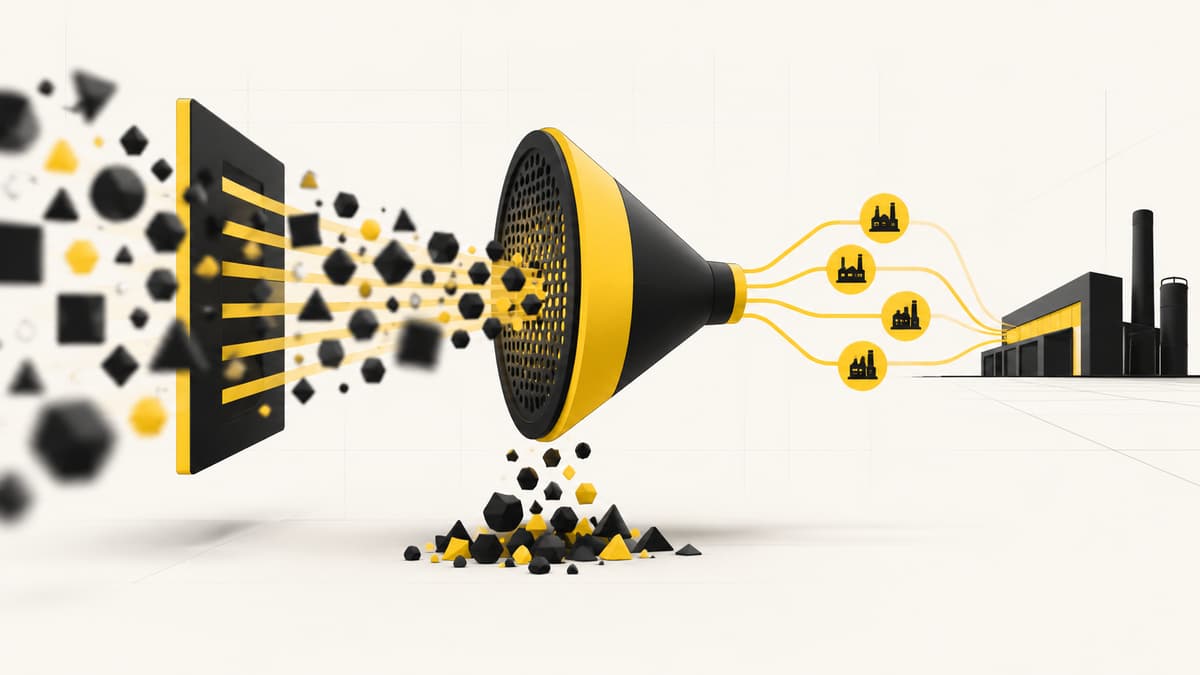
In industrial B2B, the problem is rarely a lack of demand, but rather a competitive bidding war. When Marketing Managers rely solely on paid channels, they enter a race to the bottom where only the largest budgets survive, regardless of technical superiority. This often results in a flood of low-intent clicks that fail to convert into qualified RFQs.
| Comparison Criteria | AEOmachine | Traditional Paid Ads |
|---|---|---|
| Cost Dynamic | Built on existing technical knowledge | Competitive bidding auctions |
| Lead Intent | Pre-qualified by AI discovery | Variable (often high volume, low intent) |
| Margin Impact | More room for margin | Prohibitive CPA shrinks margins |
| Buyer Relationship | Name is familiar before contact | Stranger upon first click |
To break this cycle, leaders must learn more about AEOmachine and how to align their technical authority with the way modern buyers research solutions.
How do you approach prohibitive CPA without increasing budget?
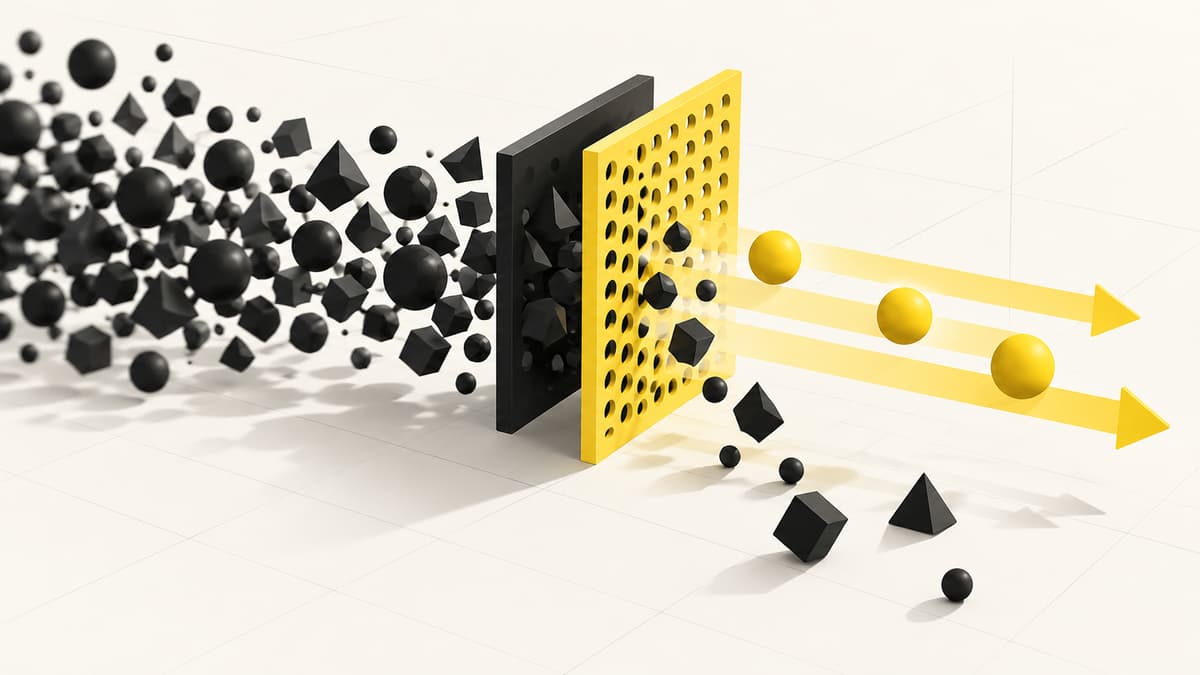
The approach is to stop competing on price in ad auctions and instead optimize for the intelligence systems that buyers use to research, analyze, and compare alternatives before they ever contact sales.
Modern B2B leaders are no longer just using search engines; they are transitioning from low-intent ad clicks to high-value partnerships by utilizing AI systems. When a buyer asks Google, ChatGPT, or Gemini who to trust, the goal is not simply to be found, but to be preferred.
- Shift the Discovery Point: Buyers now ask AI what matters and who they should consider long before reaching out to a vendor.
- Build on Existing Knowledge: Rather than inventing new marketing angles, success comes from building around what your company already knows.
- Reduce Friction: When you are part of the AI's recommended set, you experience less explaining and less convincing during the sales call.
- Increase Perceived Value: Being cited as a trusted authority by an AI system increases the perceived value of your solution, reducing the need to compete on price.
By integrating your technical expertise into the AI knowledge graph, you can generate qualified RFQs that are decoupled from the volatility of ad auction prices.
What is the impact of AI-driven discovery on B2B margins?
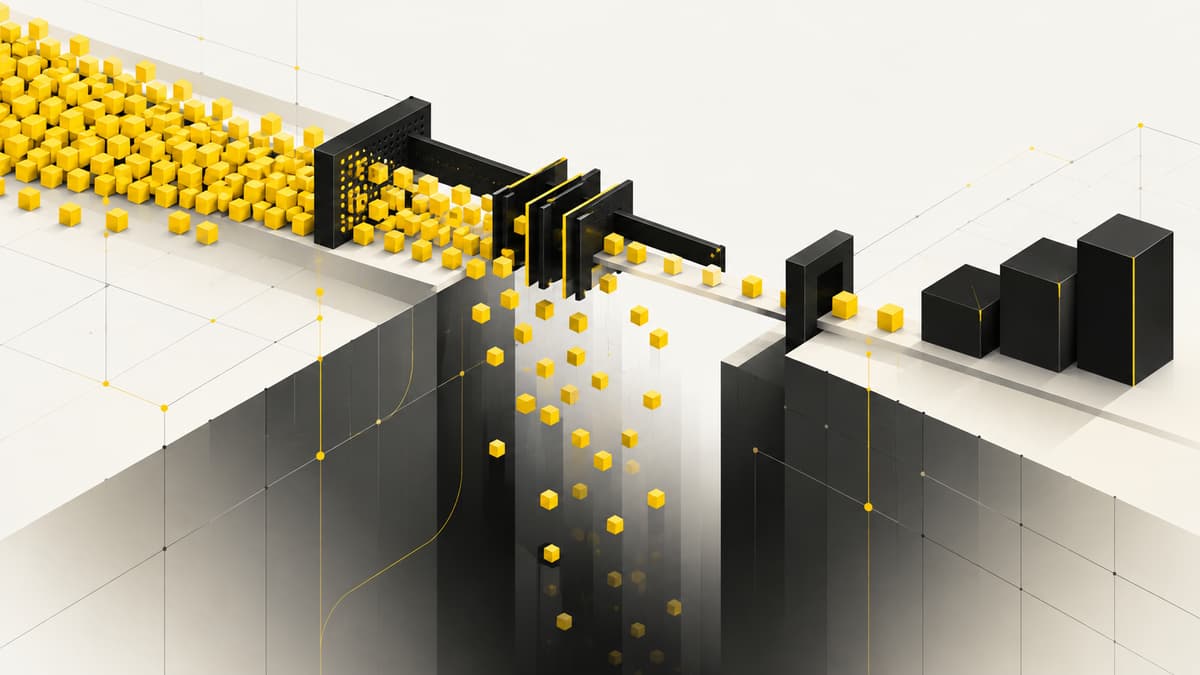
AI-driven discovery improves margins by reducing the acquisition cost and increasing the lead's trust level, allowing companies to avoid the "race to the bottom" pricing common in paid-lead environments.
Industry data indicates a massive shift in how information is consumed. With the AI search optimization market projected to reach 13 billion USD by 2033, expanding at a compound annual growth rate of 14 percent between 2026 and 2033 (according to EIN Presswire), the cost of ignoring this shift will eventually be a prohibitive CPA across all paid channels.
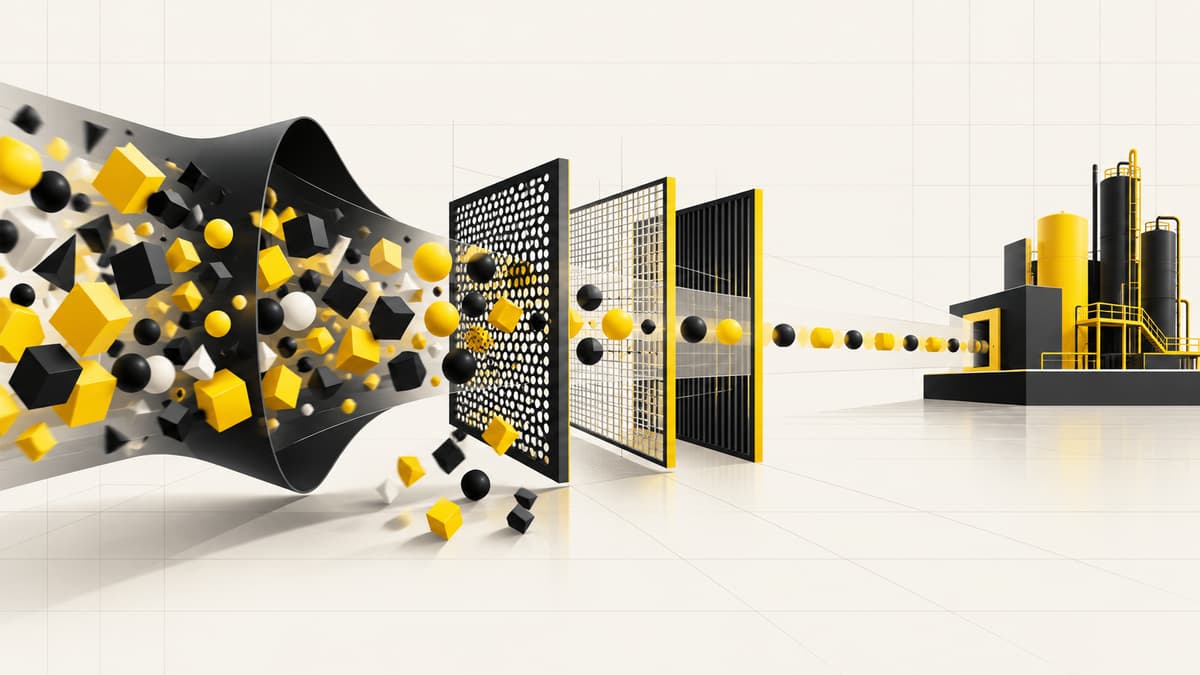
When a lead is pre-qualified by the market's intelligence, the sales process changes:
- Familiarity: Your name is already familiar to the buyer.
- Trust: There is a higher baseline of trust because a neutral AI recommended your expertise.
- Efficiency: Sales teams spend less time qualifying and more time closing.
How this connects to the rest of the cluster
To fully solve acquisition challenges, explore why paid ads often bring unqualified leads and how to balance lead quality versus lead volume in B2B. You can also learn how to disqualify leads before the sales call using semantic authority, understand the 7 reasons digital channels produce junk leads, and discover how to solve disconnected data silos to close the revenue gap. Finally, see how to approach lead qualification alignment to reduce friction between sales and marketing.
What reaches your sales team?
Qualified demand or activity that only looks good in a dashboard?
Find outFrequently Asked Questions
How do you approach prohibitive CPA?
You approach it by shifting investment from competitive ad auctions to AI Search Optimization (AEO). By making your technical authority retrievable and verifiable by AI systems, you attract high-intent buyers who have already formed a positive opinion of your company before the first contact.
Why are LinkedIn Ads becoming too expensive for industrial niches?
Because hyper-specialized niches have limited audiences, a few competitors bidding aggressively on the same small pool of users create an artificial price spike, leading to an unsustainable cost per lead.
Can AI discovery replace paid lead generation?
It does not necessarily replace it but optimizes it. By building semantic authority, you ensure that when users see your ads, they already recognize your brand from AI recommendations, which improves conversion rates and lowers effective CPA.
How does semantic authority reduce the need for sales convincing?
When a buyer is directed to you by an AI system they trust, the AI has already performed the initial "vetting" process. This means the prospect arrives with more familiarity and a higher perceived value of your service.
What is the projected growth of the AI search optimization market?
The market is projected to reach 13 billion USD by 2033, growing at a compound annual rate of 14 percent between 2026 and 2033.
Talk to us to see how AEOmachine applies to your company: AEOmachine.