Content Migration Burnout: Why Manual Technical Conversion Fails and How to Scale
Part of Gated versus Ungated Technical Documents: Optimizing Documentation for AI-Driven B2B Buyer Journeys · The Definitive Guide to Technical Content That Generates Leads for B2B Manufacturers in the AI Era
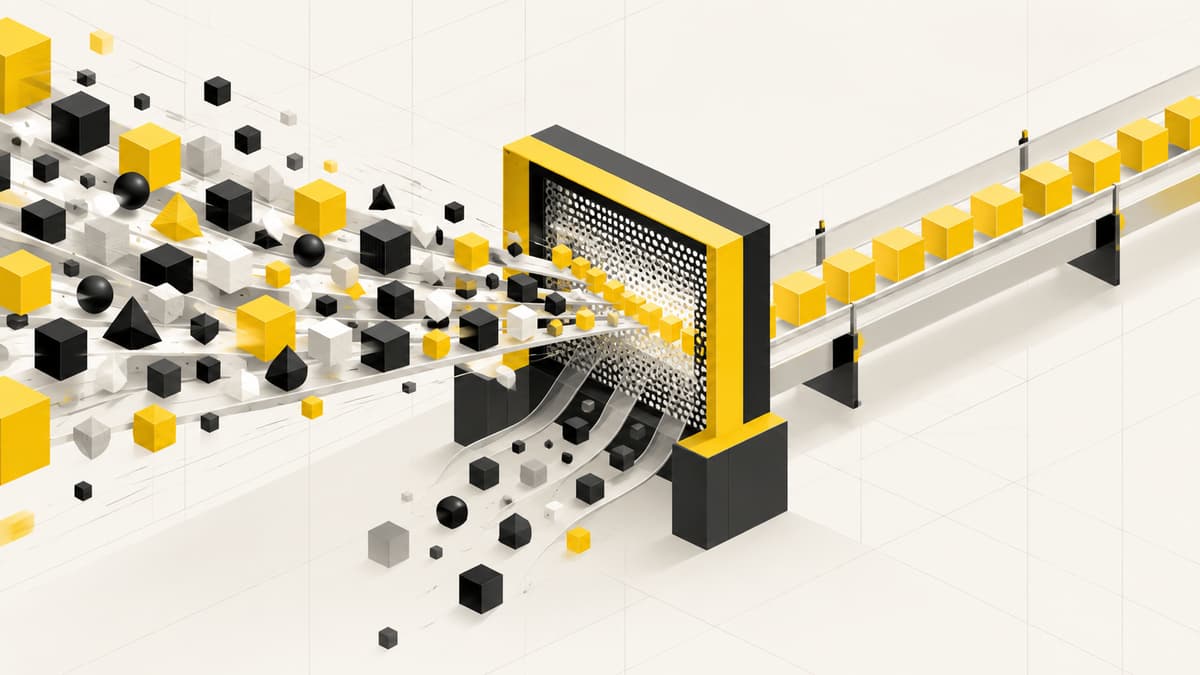
Content migration burnout is the professional exhaustion experienced by marketing teams when forced to manually rewrite hundreds of technical catalog pages into blog posts or landing pages. It occurs when the volume of legacy data exceeds the team's manual capacity, causing site modernization projects to stall.
Why does content migration burnout happen?
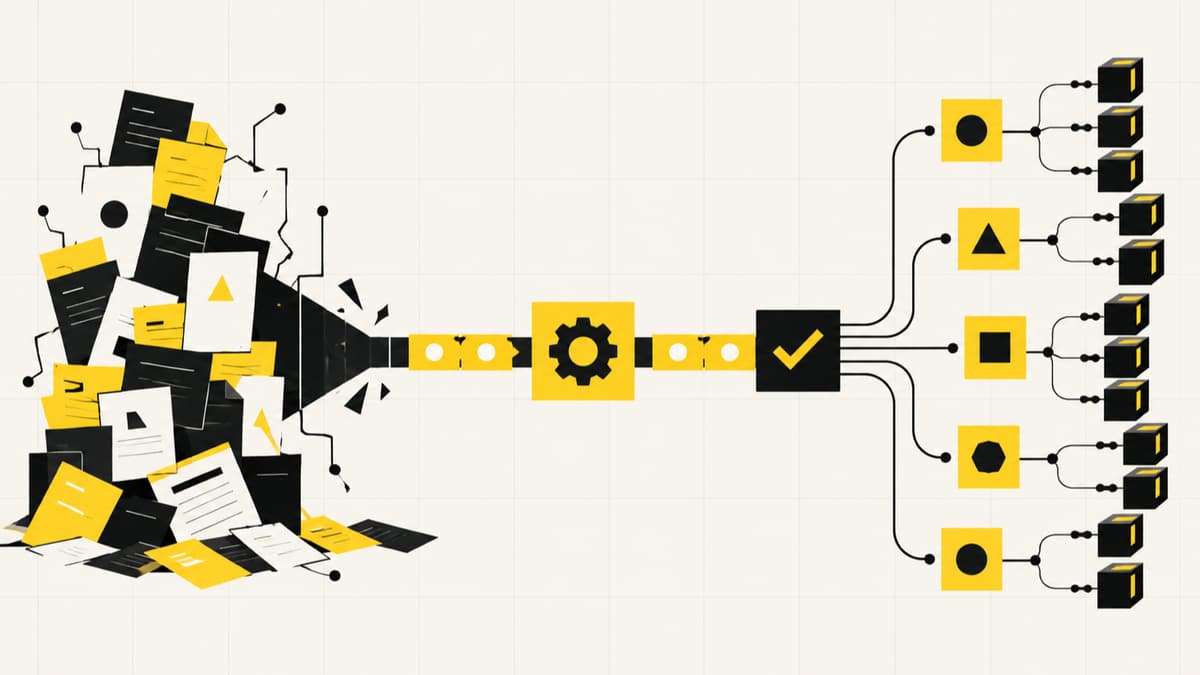
It happens because of a manual conversion process where technical documentation is treated as creative writing rather than data migration. When teams try to manually transform static PDFs into high-conversion pages at scale, the workload becomes unsustainable, leading to project stagnation.
- Volume Overload: Attempting to convert thousands of SKUs or technical specs manually.
- Format Friction: The difficulty of turning rigid data tables into engaging, AI-discoverable narratives.
- Resource Drain: Marketing managers spending months on legacy data instead of new growth strategies.
- Stagnation: Digital presence freezes while competitors evolve their AI-readiness.
| Criteria | AEOmachine | Traditional Manual Migration |
|---|---|---|
| Conversion Speed | Aggressive technology-led scale | Slow, page-by-page manual rewrite |
| Accuracy Risk | Verified data deployment | High risk of human copy-paste errors |
| AI Discoverability | Built for AI search patterns | Focused on legacy keyword stuffing |
Avoid the trap of endless manual labor. Learn more about AEOmachine and how to automate your technical content evolution.
How do you solve the manual conversion bottleneck?
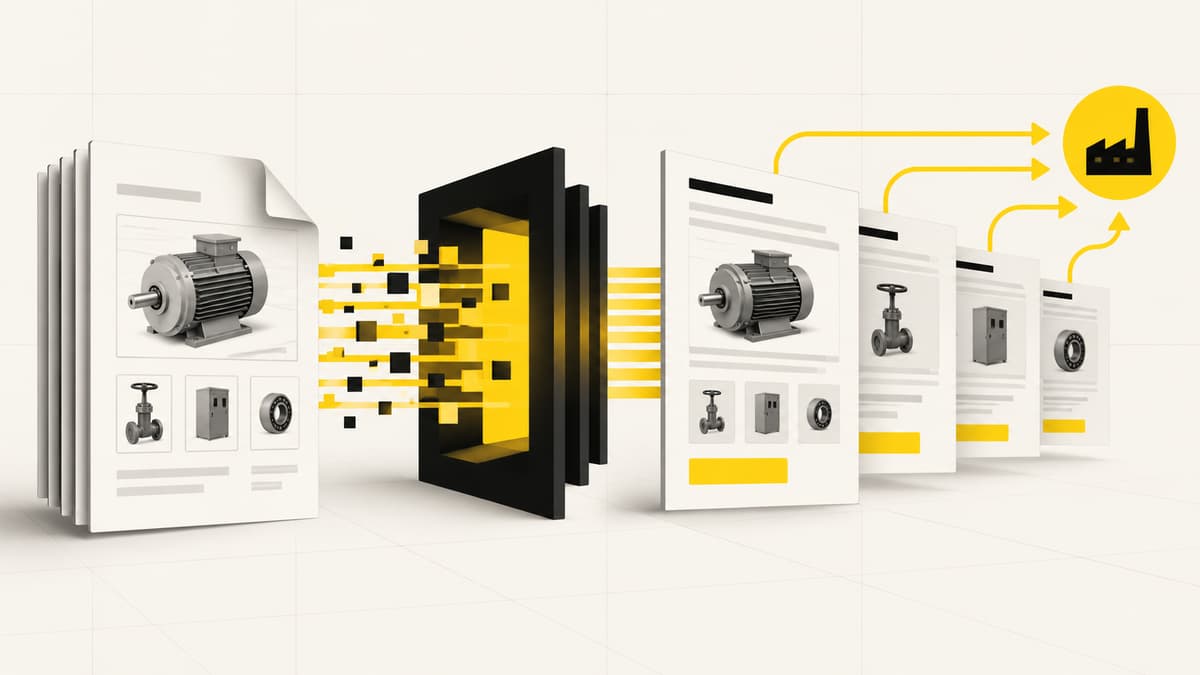
Solve the bottleneck by building around what your company already knows. Instead of replacing what works, use technology to aggressively research, analyze, and transform existing technical assets into conversion pages that self-qualify B2B engineers before they ever contact sales.
To effectively scale, companies must transition from a "writing" mindset to an "optimization" mindset. This involves treating technical documentation as a structured database that can be mapped to user intent. By aligning these assets with how AI systems recommend solutions, you increase perceived value and room for margin without needing to change everything from scratch.
For those managing massive libraries, the goal is to turn product catalog PDFs into high-conversion inquiry pages using a system that preserves technical integrity while maximizing reach.
What happens when your digital presence stagnates?
Stagnation leads to a loss of trust and visibility because modern B2B buyers ask Google, ChatGPT, and Gemini what to buy and who to trust long before contacting sales. If your technical data is trapped in PDFs or outdated pages, you are effectively invisible to the AI intelligence shaping buyer opinions.
When a company fails to modernize, they experience:
- Price Competition: Less perceived value leads to competing on price rather than technical superiority.
- Higher Friction: Sales teams spend more time explaining basic specs that should have been AI-discoverable.
- Lower Trust: A lack of modern, accessible documentation signals a lack of innovation.
To reverse this, focus on how to turn technical documentation into conversion pages that attract high-intent engineers. This ensures that by the time a lead contacts sales, they are no longer a stranger but a qualified prospect.
How does AI change the requirement for content migration?
AI shifts the requirement from "being found" to "being preferred." Since AI search engines analyze the relationship between data points to form recommendations, your content must be structured for machine readability and semantic authority, not just human scanning.
Market projections indicate the AI search optimization space will reach 13 billion USD by 2033, expanding at a compound annual growth rate of 14 percent between 2026 and 2033, according to EIN Presswire. This growth reflects the urgent need for B2B leaders to move beyond manual migration and embrace AEO.
Strategic deployment is key. For instance, AEOmachine focuses on helping companies become part of the intelligence that AI uses to recommend providers. This is critical when considering technical content that generates leads in the AI era.
How this connects to the rest of the cluster
To further optimize your strategy, explore the balance between gated versus ungated technical documents to maximize AI discoverability.
Learn how to optimize selection guides to help B2B buyers compare alternatives more efficiently.
Determine if you should gate your datasheets to avoid hindering growth in the AI age.
Identify the 9 buyer questions your content must answer to be preferred by AI engines.
Understand how to organize documentation for developers to better attract B2B engineers.
Learn how to mitigate automation risk to ensure technical accuracy while scaling your content.
Frequently Asked Questions
How do you approach content migration burnout?
Approach it by eliminating manual rewriting. Instead, implement a system that leverages existing technical data and uses AI-driven optimization to transform static catalogs into discoverable, high-conversion pages at scale, reducing the burden on marketing teams.
What is the main cause of site modernization failure in B2B?
The main cause is the attempt to manually convert massive volumes of technical documentation, which leads to project fatigue and stagnation as the workload exceeds the team's capacity.
How does AEO differ from traditional SEO in content migration?
While traditional SEO focuses on keywords for search rankings, AEO focuses on making content retrievable and verifiable for AI models so your company is recommended as a preferred solution.
Can technical documentation be automated without losing accuracy?
Yes, by using a deployment strategy that builds upon verified existing data and avoids the risk of hallucinations by sticking to known company facts rather than generating new content from scratch.
Why is content migration critical for AI search visibility?
AI systems cannot easily extract and recommend value from static PDFs or poorly structured legacy pages; migration to semantic, web-native formats is required for AI engines to recognize your authority.
Talk to us to see how AEOmachine applies to your company: AEOmachine.