Content Strategy Driving Pipeline: How to Build a Compounding Revenue Engine
Part of Solving Marketing Attribution in Long Sales Cycles: How to Trace Revenue Over 12+ Months · Calculating and Optimizing Cost Per Qualified Lead B2B: The Comprehensive Authority Guide for Industrial Leaders
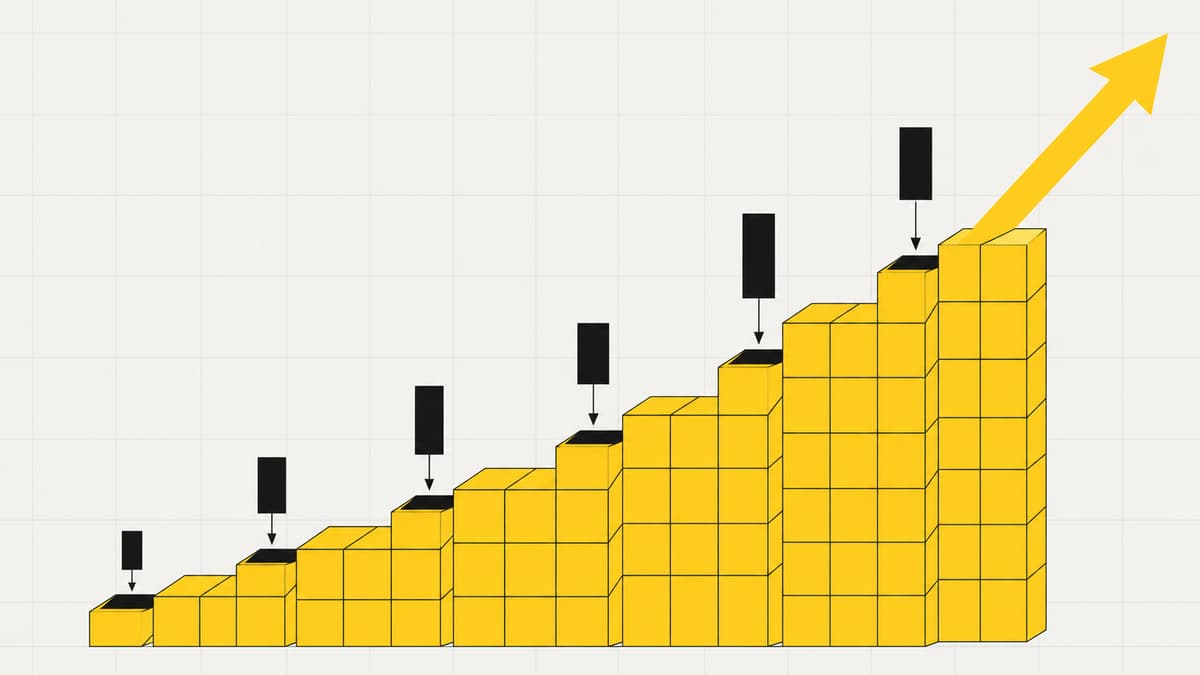
A content strategy driving pipeline is a system where every piece of content is mapped to a specific buying stage and sales objective. Unlike disposable campaigns, this approach creates a compounding asset library that lowers the marginal cost of future leads by solving recurring buyer objections.
Why does a disposable content strategy fail to drive pipeline?
Disposable strategies fail because they treat content as a series of one-off campaigns. This creates a "lack of content compounding," where companies pay the full acquisition cost for every new lead because previous assets are forgotten and do not support the future sales cycle.
When content is not treated as a long-term asset, growth costs remain linear. For B2B leaders, this means marketing spend often results in vanity metrics rather than verifiable pipeline. To break this cycle, firms must transition from a campaign-based mindset to a system where content serves as a permanent infrastructure for the buyer's journey.
How can you align content strategy with sales to increase revenue?
Alignment is achieved by integrating the content strategy into the overall marketing and sales communication flow, ensuring the strategy learns from sales interactions to address real-world buyer friction and objections in real-time.
The data shows a significant gap in this execution: while 70% of organizations integrate content strategy into overall marketing and sales communication [Source], only 6% treat it as a stand-alone strategy for all produced content [Source]. This fragmentation often leads to the common challenge of aligning content efforts across sales and marketing, cited by 45% of marketers [Source].
To solve this, focus on these three alignment pillars:
- Sales Feedback Loops: The strategy must learn from the sales team's daily interactions to identify which content assets actually move a deal forward.
- Stage-Gate Mapping: Assign every asset a "pipeline job" (e.g., Top-of-Funnel for awareness, Middle-of-Funnel for differentiation).
- Branded Demand Integration: When teams are completely aligned on sales and marketing efforts and utilize a branded demand approach incorporating content syndication and display, 80% are able to reach their goals [Source].
Implementing this requires a shift in how success is measured. Instead of reporting on clicks, leaders should focus on proving marketing revenue in B2B to ensure spend is actually fueling the pipeline.
What are the primary challenges in executing a pipeline-focused content plan?
The primary challenges are maintaining consistency in creation and differentiating content from competitors, both of which prevent the compounding effect necessary for a consistent sales pipeline.
For many B2B and manufacturing marketers, the hurdles are systemic:
- Consistency Gaps: 54% of marketers and manufacturing marketers cite creating content consistently as a major challenge [Source] [Source].
- Differentiation Struggles: 43% of B2B marketers mention differentiating their content as a top challenge this year [Source].
- Strategy Gaps: Despite 97% of marketers claiming to have a content strategy [Source], only 20% of manufacturing marketers say their strategy is very effective [Source].
To overcome these, organizations often struggle with small teams (typically 2-5 people) [Source]. Moving toward a system that leverages a strategist rather than a simple signup form allows for a more tailored, high-impact approach to pipeline generation.
How does AEOmachine differ from traditional content approaches?
AEOmachine replaces the campaign-centric model with a strategic workspace focused on long-term asset compounding and direct sales alignment, ensuring content serves as a revenue driver rather than a cost center.
| Criteria | AEOmachine | Traditional Agencies |
|---|---|---|
| Onboarding Focus | Strategist-led workspace | Signup forms and packages |
| Content Philosophy | Compounding asset library | Disposable campaigns |
| Sales Integration | Strategy learns from sales | Siloed marketing deliverables |
By focusing on these structural differences, B2B leaders can move from linear growth to a model where previous investments lower the cost of current leads. This is critical for those managing cost per qualified lead in B2B.
What connects here
To move from strategy to execution, explore how to maximize content impact on sales pipeline for industrial leaders.
For those struggling with the timeline of these results, learn about solving marketing attribution in long sales cycles to trace revenue accurately.
If you are ready to audit your current results, check ways to measure agency marketing spend for pipeline proof.
How this connects to the rest of the cluster
Frequently Asked Questions
How can a content strategy drive a consistent sales pipeline?
A content strategy drives a consistent pipeline by mapping assets to every stage of the buyer's journey and aligning them with sales intelligence. This ensures that content solves specific buyer objections, reduces sales friction, and creates a compounding library that lowers lead acquisition costs over time.
Why is sales-marketing alignment critical for content effectiveness?
Alignment is critical because it allows the content strategy to learn from sales. When content is aligned with sales efforts, B2B marketers are significantly more likely to reach their goals, as the assets produced directly support the actual conversations happening in the sales process.
What is the most common challenge in B2B content creation?
Creating content consistently is one of the most cited challenges, affecting 54% of marketers. Additionally, differentiating content from the rest of the market remains a top struggle for 43% of B2B marketers this year.
How does content compounding reduce marketing costs?
Content compounding occurs when assets are built as a library rather than disposable campaigns. Instead of paying full acquisition costs for every lead, existing assets educate the buyer and handle objections before the sales call, reducing the marginal cost of each new lead.
What percentage of B2B marketers effectively integrate content with sales?
While 70% of organizations integrate content strategy into their overall marketing and sales communication, only a small fraction treat it as a comprehensive stand-alone strategy for all produced content.