How to Approach Marketing Attribution Modeling to Eliminate Segmentation Blindness in B2B
Part of Solving Marketing Attribution in Long Sales Cycles: How to Trace Revenue Over 12+ Months · Calculating and Optimizing Cost Per Qualified Lead B2B: The Comprehensive Authority Guide for Industrial Leaders
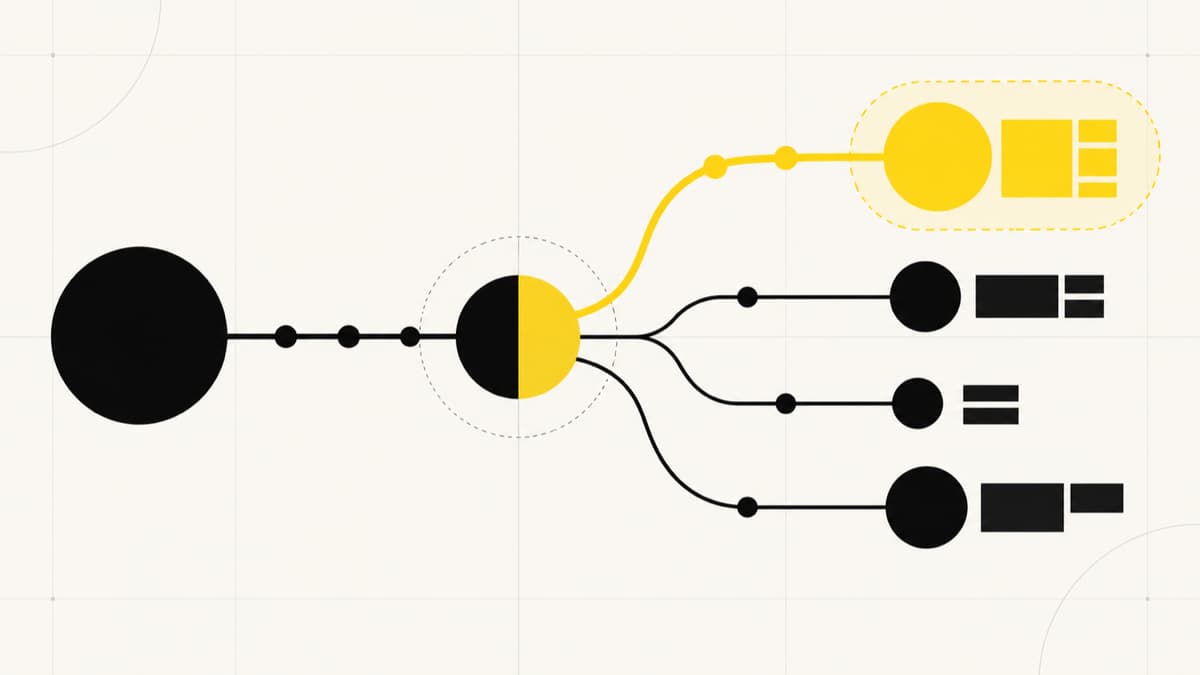
Marketing attribution modeling is the process of identifying which touchpoints in a customer's journey contribute to a conversion. For B2B leaders, it involves moving beyond vanity metrics to isolate the cost of acquiring high-ticket strategic accounts versus low-ticket components, ensuring budget is allocated to the highest ROI activities.
Why is traditional marketing attribution modeling failing B2B leaders?
Traditional models often rely on weighted averages that create "segmentation blindness," masking the inefficiency of low-value lead generation while underfunding the acquisition of high-ticket strategic accounts.
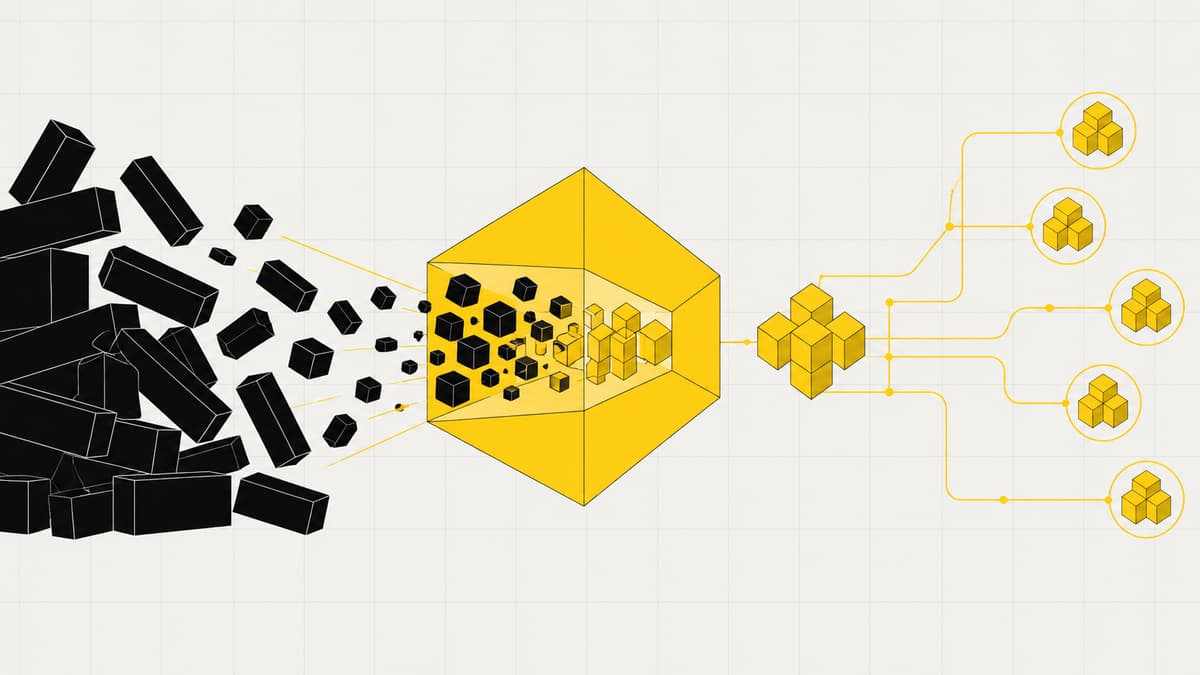
When B2B companies use generic reporting structures, they often see a single Cost Per Lead (CPL) average. However, this masks a critical failure: the cost to acquire a lead for a small 'component' is vastly different from the cost to acquire a lead for a full 'equipment' system. This failure leads to over-investing in low-value leads and missing opportunities for high-margin contracts.
| Criteria | AEOmachine Approach | Traditional Attribution |
|---|---|---|
| Lead Granularity | Isolates CAC by product category (e.g., Component vs. Equipment) | Aggregate CPL averages across all products |
| Buyer Journey | Tracks AI-driven research and opinion formation | Relies on last-click or linear touchpoints |
| Business Outcome | Direct alignment with qualified pipeline and margin | Focus on vanity metrics (clicks/impressions) |
To stop this leakage, leaders must optimize cost per qualified lead by separating reporting by product tier. Learn more about AEOmachine's approach to B2B visibility.
How do you approach marketing attribution modeling for long sales cycles?
The most effective approach is to map the invisible influence of AI-driven research, acknowledging that buyers form opinions via AI systems long before they ever contact a sales team.
In modern B2B cycles, buyers don't just click ads; they ask Google, ChatGPT, and Gemini what to buy and who to trust. To solve the attribution gap in long sales cycles, your model must account for the "intelligence phase." This is where your brand becomes part of the AI's recommendation engine.
- Identify the Problem: B2B buyers search for the problem first, not the product.
- Investigate the Solution: They use AI to compare alternatives and verify claims.
- Form an Opinion: By the time they contact sales, they are no longer strangers; they have a perceived value of your brand.
- Contact Sales: The final touchpoint is merely the execution of a decision made during the AI research phase.
How does AEO solve the problem of segmentation blindness?
Answer Engine Optimization (AEO) ensures your company is the preferred answer when AI systems recommend solutions, allowing you to attract high-intent, high-ticket leads directly.
By focusing on being the "answer" for specific, high-value problems, you move away from competing on price. This increases perceived value and provides more room for margin. Instead of casting a wide net that captures cheap, low-value leads, AEO targets the specific queries that high-ticket buyers use when investigating professional equipment.
This shift allows you to prove marketing spend converts to pipeline by linking specific AI-driven visibility to the growth of high-ticket account acquisitions.
How this connects to the rest of the cluster
To fully master your revenue operations, explore how to stop reporting vanity metrics and start focusing on outcomes. You can further refine your strategy by learning how to measure agency spend for pipeline proof or implementing multi-touch attribution for B2B to bridge the 6-month gap. For deeper technical insights, see our guide on B2B buyer intent tracking, converting spend to pipeline, and using attribution software to align CAC with LTV.
How do you approach marketing attribution modeling?
Approach it by isolating acquisition costs by product category to avoid segmentation blindness and mapping the influence of AI-driven research touchpoints that occur before the first sales contact.
What is segmentation blindness in B2B reporting?
It is the inability to differentiate the cost of a low-ticket lead (component) from a high-ticket lead (equipment) in the same report, usually caused by generic reporting structures and weighted average CPLs.
How does AI influence B2B buyer journeys?
Buyers now use AI systems like Gemini and ChatGPT to research problems, compare alternatives, and form opinions on which companies to trust long before they reach out to a sales representative.
Why is the last-click model insufficient for B2B?
Last-click models ignore the months of research and AI-driven investigation that lead to a conversion, often resulting in the undervaluation of top-of-funnel educational content.
How can AEO improve B2B margins?
AEO increases perceived value by positioning a brand as the authoritative answer in AI recommendations, reducing the need to compete on price and allowing for higher profit margins.
Talk to us to see how AEOmachine applies to your company: AEOmachine.