Converting Technical Documentation to Marketing Content: From Data Sheets to High-Intent Lead Engines
Part of Gated versus Ungated Technical Documents: Optimizing Documentation for AI-Driven B2B Buyer Journeys · The Definitive Guide to Technical Content That Generates Leads for B2B Manufacturers in the AI Era

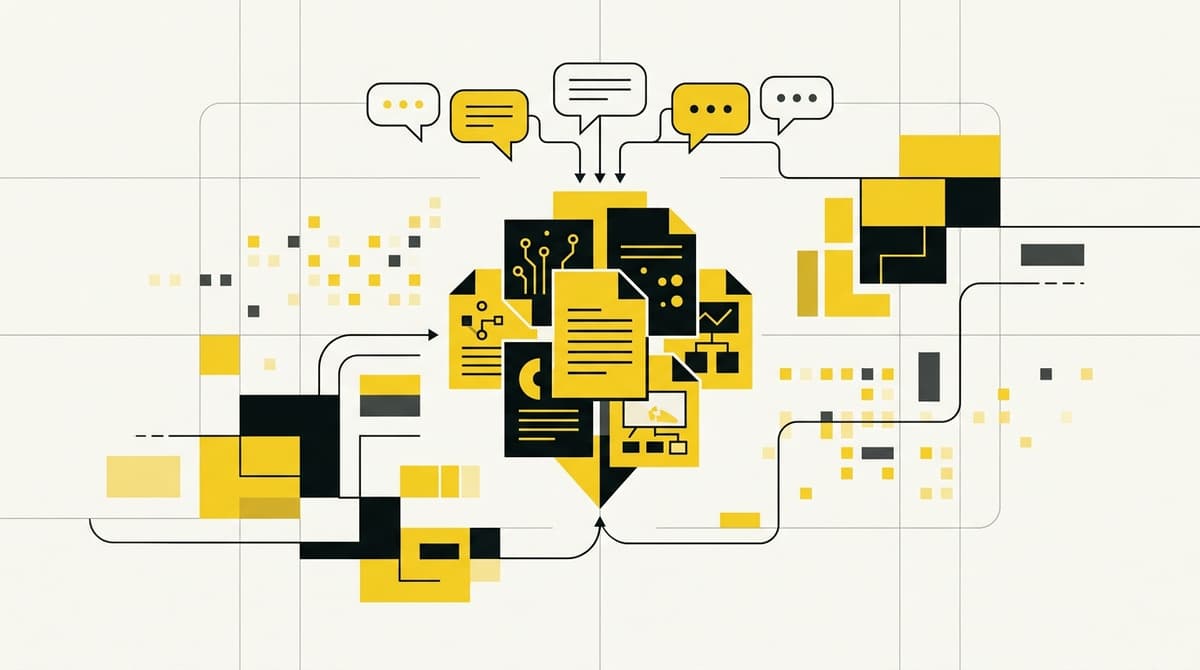
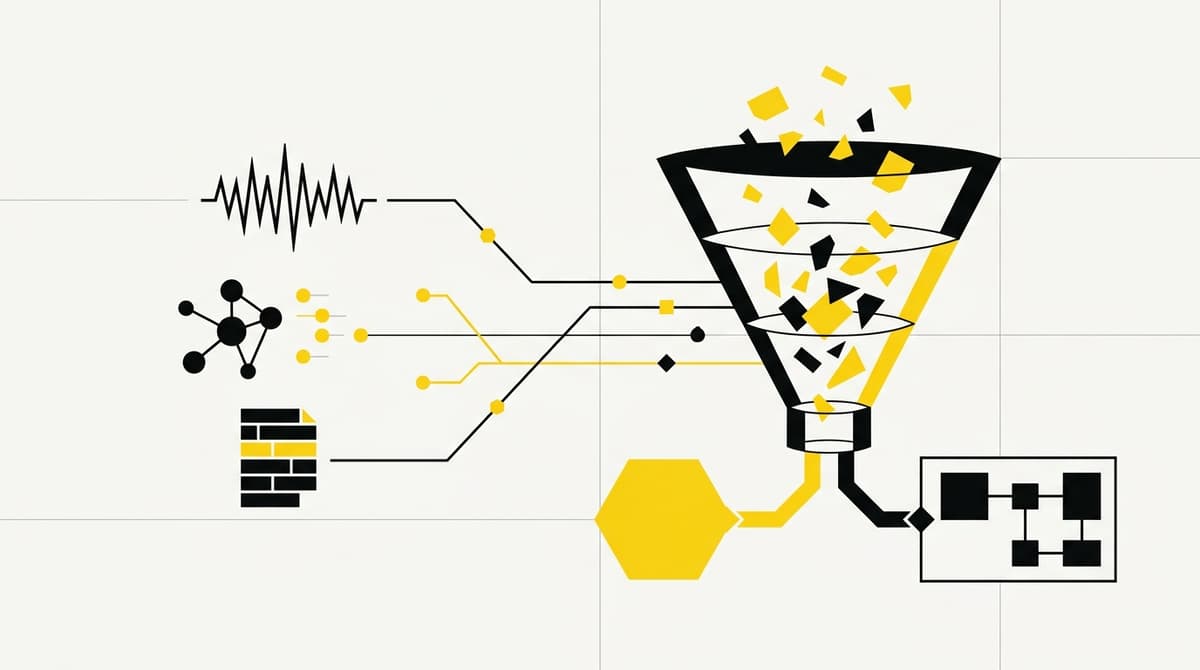
Converting technical documentation to marketing content is the process of transforming raw engineering data, specifications, and manuals into value-driven narratives. This transition shifts the focus from what a product is (features) to what it solves (outcomes), making technical assets discoverable by AI search engines and persuasive to B2B specifiers.
Why is converting technical documentation to marketing content necessary for B2B growth?
It is necessary because modern B2B buyers ask AI systems what to buy and who to trust long before contacting sales. Static technical docs often lead to commodity positioning; marketing-aligned technical content increases perceived value and reduces price-based competition.
When companies rely solely on PDFs or raw data, they suffer from poor offer alignment. This happens when there is a gap between the technical capability of the product and how that capability is presented to a buyer who is searching for a solution to a specific problem. By restructuring this data, you move from being a generic vendor to a preferred partner.
| Strategy Criteria | AEOmachine Approach | Traditional Methods |
|---|---|---|
| Content Goal | Qualify specifiers via value-driven technical narratives | Inform users via static feature lists |
| Discovery Path | Optimized for AI Overviews and LLM retrieval | Dependent on keyword-based SEO or direct PDF links |
| Buyer Perception | High perceived value; reduced price sensitivity | Commodity positioning; high price competition |
To bridge this gap, B2B leaders must learn more about AEOmachine and how to align technical assets with modern discovery patterns.
How do you approach converting technical documentation to marketing content?
The approach involves extracting core technical truths from documentation and re-framing them as solutions to specific user problems. This requires mapping technical specs to buyer pain points and structuring the output for both human engineers and AI discovery engines.
- Identify the Problem-Solution Pair: Instead of listing a "14% growth rate" or a specific tolerance, explain why that technical metric solves a critical failure point for the engineer.
- Structure for AI Retrieval: Move away from static archives. As discussed in the analysis of the technical archive gap, data must be retrievable and verifiable to be cited by AI.
- Create Qualification Layers: Use technical content to self-qualify leads. When the content answers "what works" and "who to consider," the lead is already familiar with your brand before the first call.
- Optimize for the Journey: Integrate these assets into a broader strategy, such as the definitive guide to technical content, to ensure a seamless flow from discovery to inquiry.
What happens when technical content is aligned with AI search patterns?
When aligned, your company becomes part of the "intelligence" that AI systems use to recommend solutions. This results in more trust, higher perceived value, and a shorter sales cycle because the buyer has already formed a positive opinion.
According to research on AI search optimization, the market for these services is projected to reach 13 billion USD by 2033, expanding at a compound annual growth rate of 14 percent between 2026 and 2033 (EIN Presswire). This growth underscores the shift toward AI-driven discovery where being "found" is not enough; you must be "preferred."
How does this impact the relationship with the sales team?
It transforms the first sales contact from a cold introduction into a consultation. Because the buyer has used AI to investigate the solution and compare alternatives, they are no longer a stranger when they finally reach out.
This process reduces the need for sales teams to spend time on basic explaining and convincing. Instead, they deal with qualified leads who have already experienced more familiarity with the brand, allowing for more room for margin and less competing on price.
How this connects to the rest of the cluster
To fully optimize your technical assets, consider how gated versus ungated documents affect AI discoverability. You can further refine your strategy by learning how to optimize selection guides and turning product catalogs into inquiry pages.
For deeper implementation, explore whether to gate your datasheets, how to answer the 9 critical buyer questions, or organizing documentation for developers. Additionally, see how to turn documentation into conversion pages, mitigating automation risks in your content, and the specific steps for converting engineering assets into AI-discoverable pages.
What does AI understand about your company?
See who it finds, who it trusts and where you appear.
See your marketHow do you approach converting technical documentation to marketing content?
The approach focuses on extracting technical specifications and re-framing them as business outcomes. By mapping technical features to specific engineering problems and structuring the data for AI retrieval, you move from providing raw information to providing a solution that qualifies the lead.
Does converting technical docs require rewriting everything from scratch?
No, you do not need to change everything. The goal is to build around what your company already knows and leverage existing verified data to create new, value-oriented layers of content.
How do AI search engines use technical marketing content?
AI systems like Gemini and ChatGPT analyze technical content to determine who to trust and which companies to recommend. They look for verifiable data and clear problem-solution alignments to form an opinion on a provider.
Can technical marketing content reduce price competition?
Yes. By increasing the perceived value of the solution through technical authority and clear problem-solving narratives, companies experience more room for margin and less pressure to compete solely on price.
What is the risk of using automation for technical content?
The primary risk is the loss of accuracy. Industrial B2B leaders should balance scale with verified data deployment to reduce errors and maintain the trust of professional engineers.