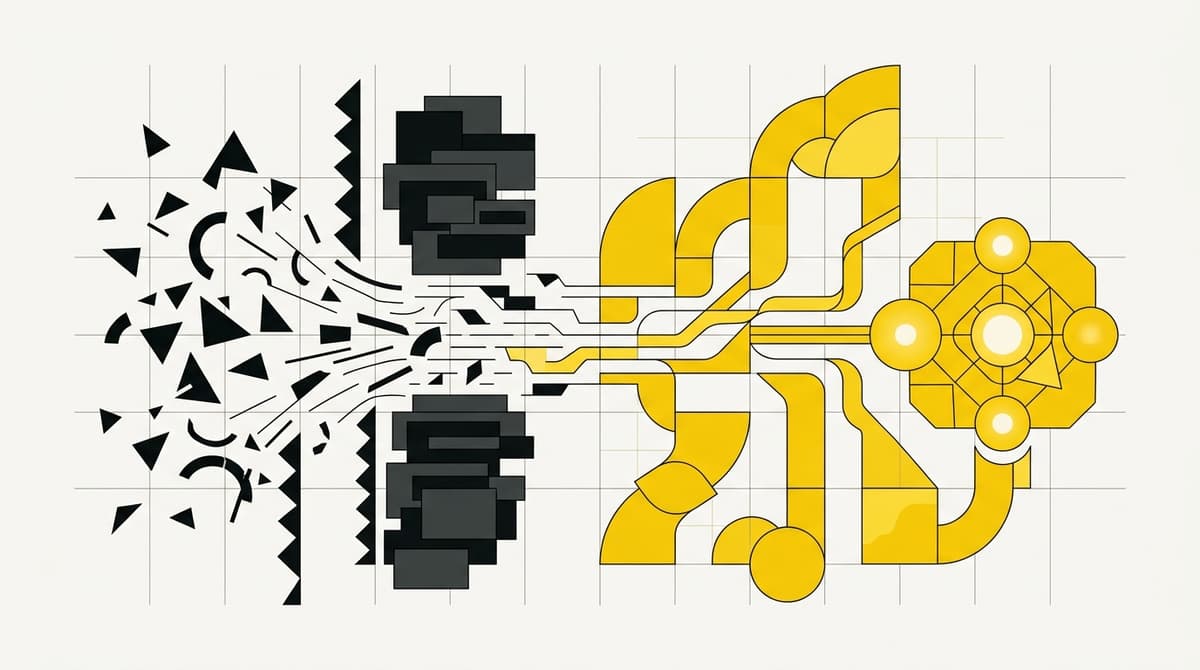
Identifying Hidden Demand: How Industrial Manufacturers Detect Latent Market Signals
Part of Effective Alternatives to Trade Shows for Lead Generation: How B2B Manufacturers Build a Constant Pipeline · The Definitive Framework for Evaluating Trade Show ROI for Manufacturers: Moving From Booth Traffic to AI-Driven Authority
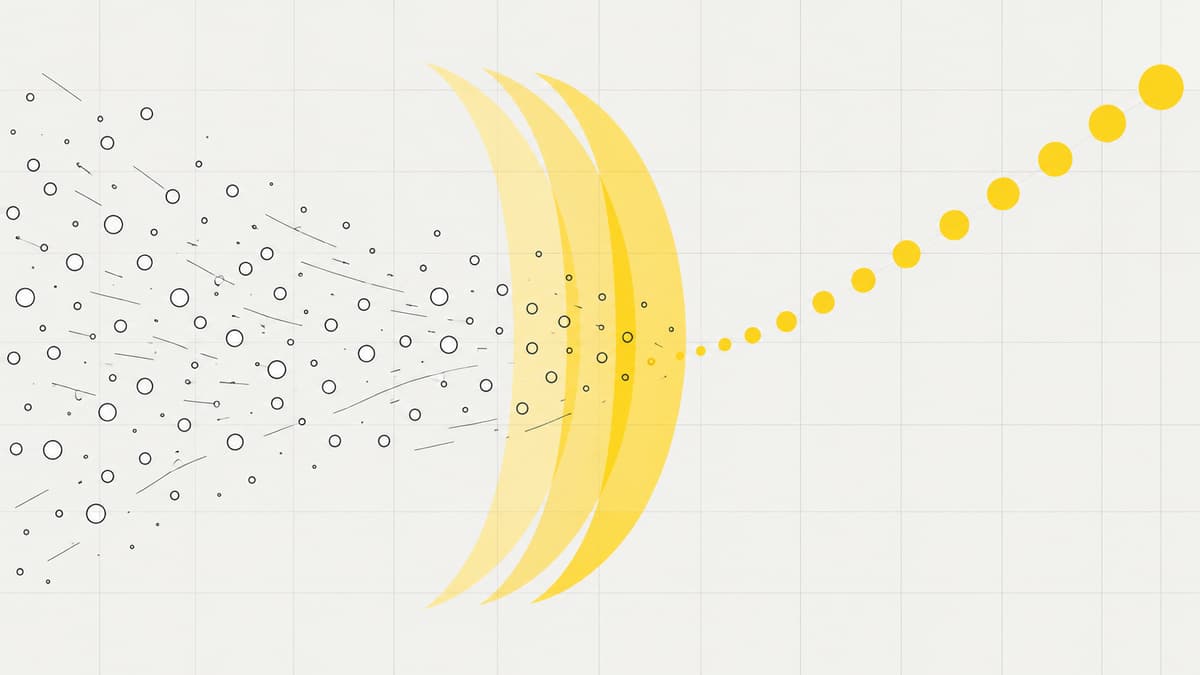
Identifying hidden demand is the process of detecting latent buyer intent by analyzing the problems customers search for in AI systems and search engines before they contact sales. It involves intercepting the early research phase where buyers form opinions on who to trust and which solutions work.
Why is invisible demand loss happening in industrial markets?
Invisible demand loss occurs because customers form opinions and compare alternatives using AI and search engines long before contacting sales. When companies only track contact forms, they miss the early stage where buyers investigate solutions and determine which providers are trustworthy.
Traditional methods like trade shows often fail to capture this because they rely on physical presence rather than digital intent. To evaluate the shift in effectiveness, manufacturers can use a framework for evaluating trade show ROI to see where physical traffic diverges from digital research patterns.
How can I identify hidden demand for my industrial products?
You identify hidden demand by analyzing the specific problems your customers ask AI systems and search engines. By learning from sales data and market patterns, you can align your digital presence with the actual questions buyers ask regarding what matters and what works in your sector.
The process follows a specific buyer journey: customers first search for the problem, then they investigate the solution, and finally they compare alternatives. If your company shapes the conversation during these early stages, the buyer is no longer a stranger by the time they reach out to your team.
| Detection Criteria | AEOmachine | Traditional Methods |
|---|---|---|
| Demand Signal Source | AI queries and problem-based search intent | Contact forms and trade show booths |
| Buyer Relationship | Established familiarity before first contact | Cold introduction at the lead stage |
| Competitive Position | Shapes the buying conversation early | Competes on price during the quote phase |
What happens when companies shape the buying conversation early?
Companies that influence the early research phase experience more trust, higher perceived value, and more room for margin. Because the buyer already perceives the company as an authority, there is less need for aggressive convincing or extensive explaining during the sales call.
This shift reduces the need for risky tactics. For instance, shifting away from failing outreach methods can be understood by analyzing why outbound prospecting stopped working in favor of AI-driven discovery.
How does AI change the way industrial demand is discovered?
AI allows companies to research, analyze, and improve their market positioning at a scale previously impossible. Customers now ask Google, ChatGPT, and Gemini what to buy and who to consider, making it essential for a company's knowledge to be discoverable and connected to the solutions they sell.
The goal is not simply to be found, but to be preferred. While nobody knows the exact secret algorithms of every AI model, experienced people—not machines—decide what a company should be known for. AEOmachine builds around existing company knowledge to strengthen how that expertise is connected to buyer queries.
For those looking to transition their lead sources, exploring replacing declining trade show returns with steady inbound sources is a logical next step.
Keep exploring
For a tactical walkthrough on implementation, see generating high-intent inbound leads for industrial distributors.
To move from understanding to action, review modernizing inbound marketing strategies for B2B.
To refine your outreach, examine the industrial B2B multichannel strategy.
To identify systemic gaps in your pipeline, read about effective alternatives to trade shows.
To diagnose why early interest doesn't convert, check the post trade show follow up process.
To reduce delivery risks in your communication, learn about improving cold email deliverability.
Who owns the conversation before the RFQ?
See which companies your buyers encounter before they talk to sales.
See your marketHow can I identify hidden demand for my industrial products?
Identify hidden demand by analyzing the problem-based queries your target audience asks AI systems and search engines. By aligning your content with the early investigation phase of the buyer's journey, you can detect intent before they ever fill out a contact form.
Why do buyers ask AI before contacting sales?
Buyers use AI to research what matters and what works, allowing them to compare alternatives and form an opinion on trustworthiness and value without the pressure of a sales pitch.
How does shaping the early conversation affect pricing?
When a company is identified as a preferred solution early on, they experience more perceived value and less competition on price, leading to better margins.
Does identifying hidden demand require changing all existing content?
No, it is not about replacing what works. Instead, it involves building around what the company already knows to strengthen how that knowledge is discovered and connected to the solutions sold.
What is the role of the sales team in identifying demand?
The sales team becomes part of the intelligence process, providing the real-world insights and market feedback that help refine the signals used to identify latent demand.