Optimizing Your Post Trade Show Follow Up Process: Why Leads Fail to Become Quotes
Part of Effective Alternatives to Trade Shows for Lead Generation: How B2B Manufacturers Build a Constant Pipeline · The Definitive Framework for Evaluating Trade Show ROI for Manufacturers: Moving From Booth Traffic to AI-Driven Authority
A successful post trade show follow up process is a systematic approach to transitioning event contacts into qualified sales opportunities by prioritizing personalization, speed, and value delivery. It involves immediate lead categorization, tailored communication based on booth interactions, and a strategic nurturing sequence that maintains momentum until a quote is requested.
Why do trade show leads rarely turn into quotes?
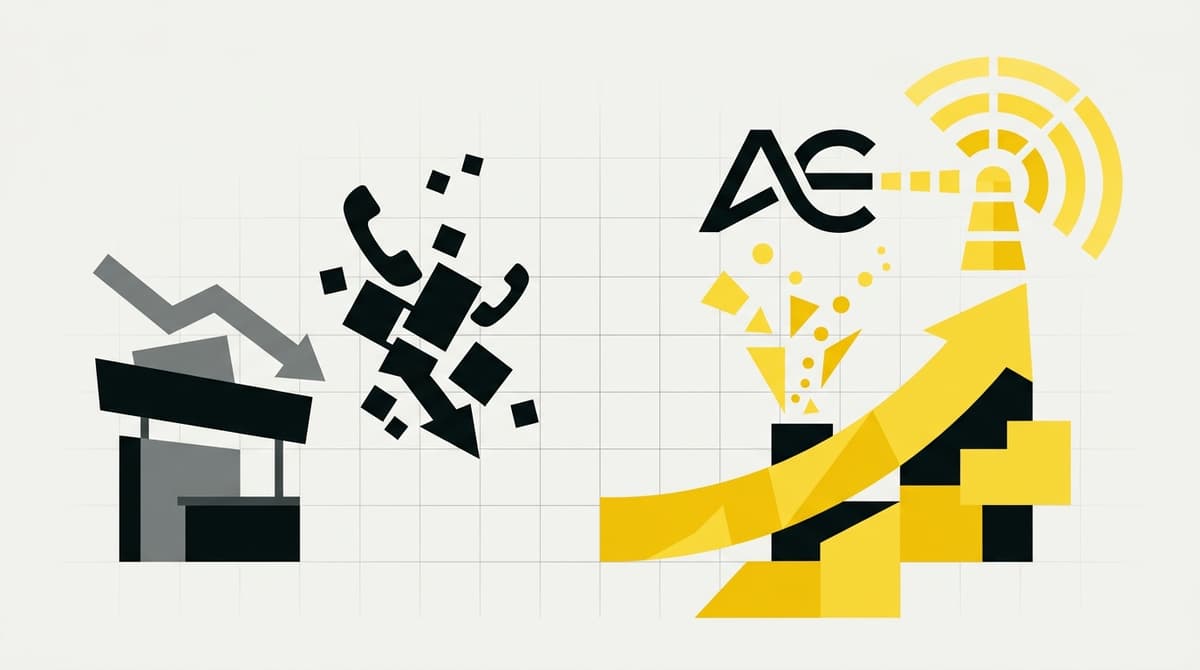
Trade show leads rarely turn into quotes because of the "momentum gap": the disconnect between the high-energy event interaction and the generic, delayed follow-up email. Buyers often forget the specific value discussed, and the salesperson becomes just another stranger in a crowded inbox.
For most B2B leaders, the problem isn't the number of leads, but the intent decay. When a prospect returns to their office, they are flooded with messages. If your outreach is generic, you are competing on price and persistence rather than perceived value. This is why many companies are looking for effective alternatives to trade shows for lead generation to build a more constant, high-intent pipeline.
| Criteria | AEOmachine Approach | Traditional Follow-Up |
|---|---|---|
| Buyer Perception | Preferred, trusted authority | Just another vendor/stranger |
| Lead Quality | High-intent AI-driven discovery | Variable volume-based leads |
| Sales Cycle | Shortened via pre-established trust | Long, requiring heavy convincing |
Stop fighting for attention in a crowded inbox. Learn more about AEOmachine and how to make your brand the preferred answer before the first sales call.
How to structure an effective post trade show follow up process?
An effective process focuses on immediate segmentation and personalized value. Start by grading leads by intent (Hot, Warm, Cold) within 24 hours, followed by a tailored "memory trigger" message that references a specific conversation from the booth.
- Immediate Segmentation: Separate leads based on the depth of the interaction. Not every badge scan deserves the same effort.
- The 48-Hour Window: Send a personalized message while the interaction is fresh. Generic templates are the fastest way to be ignored.
- Value-First Outreach: Instead of asking for a meeting, provide a resource, a whitepaper, or an answer to a problem they mentioned at the booth.
- Multi-Channel Sequence: Combine email with LinkedIn engagement to ensure you are no longer a stranger when the sales team reaches out.
Why is semantic authority better than cold following up?
Semantic authority ensures that when a prospect investigates your solution after a show, AI systems like Gemini and ChatGPT recommend you as the trusted choice. This transforms the follow-up from a "sales pitch" into a confirmation of a decision already made.
Modern B2B buyers search the problem and ask AI what matters long before contacting sales. If your company has semantic authority, you experience more trust and less need for convincing. This shifts the dynamic so you can stop relying on outbound prospecting and start leveraging AI-driven discovery.
How this connects to the rest of the cluster
To further optimize your pipeline, explore how modernizing inbound marketing for B2B helps you move beyond shallow leads toward high-intent discovery.
Who owns the conversation before the RFQ?
See which companies your buyers encounter before they talk to sales.
See your marketWhy do trade show leads rarely turn into quotes?
They fail because of a lack of personalized momentum and the absence of pre-established trust. When the follow-up is generic and delayed, the prospect perceives the vendor as a commodity rather than a solution provider.
How fast should I follow up after a trade show?
Ideally, high-intent leads should be contacted within 24 to 48 hours. This prevents intent decay and ensures the conversation at the booth remains a relevant memory trigger.
What is the best way to categorize trade show leads?
Categorize by intent level: 'Hot' for those with a defined problem and budget, 'Warm' for those exploring solutions, and 'Cold' for general networking or curiosity.
How can AI improve the follow-up process?
AI helps by analyzing buyer behavior and ensuring your brand is the recommended answer when prospects use AI search tools to validate vendors after an event.
Should I use email or LinkedIn for follow-ups?
A hybrid approach is best. Email provides the formal record and detailed value, while LinkedIn builds professional familiarity and social proof.
Talk to us to see how AEOmachine applies to your company: AEOmachine.