The Paradigm Shift from Traditional SEO to AI Optimization: A Framework for B2B Leaders
Part of Building the Technical Foundation for AI Search Visibility: A B2B Guide to Machine-Readable Authority · The Definitive Guide to Answer Engine Optimization: Scaling B2B Authority in the Era of Generative AI

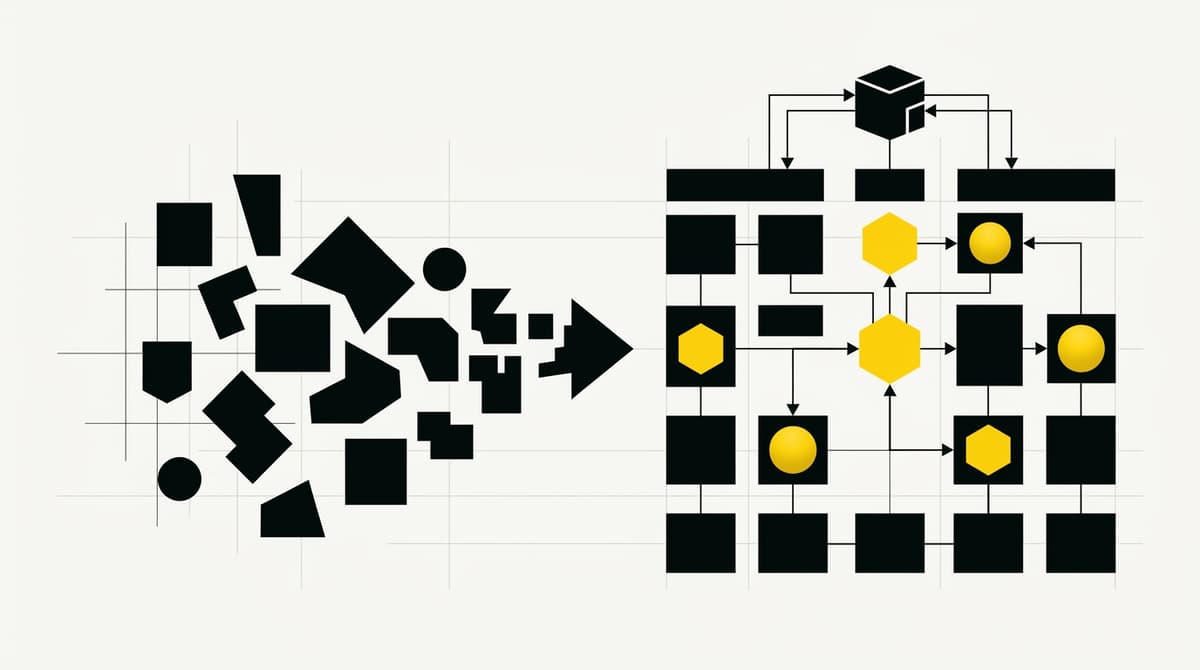
The paradigm shift from traditional SEO to AI optimization is the transition from optimizing for keyword-based search rankings to optimizing for semantic citations within AI-generated answers. It requires moving from a strategy of "being found" in a list of links to "being preferred" as the definitive answer by LLMs.
How do you approach paradigm shift from traditional SEO to AI optimization?
Approaching this shift requires focusing on machine-readability and semantic authority. Instead of keyword density, you must structure B2B knowledge so AI systems can easily extract, analyze, and attribute your expertise, ensuring your brand is part of the opinion long before a lead contacts sales.
- Shift from Keywords to Entities: Move from targeting specific phrases to establishing your company as a recognized entity with specific expertise.
- Prioritize Synthesis over Traffic: Focus on how AI models synthesize your data into an answer rather than just driving clicks to a landing page.
- Build a Technical Foundation: Use advanced schema and structured data to eliminate AI hallucinations and ensure accurate citations.
- Focus on Trust and Value: When AI recommends your brand, you experience more perceived value and less competition on price.
Ready to move beyond outdated playbooks? Learn more about AEOmachine and how to secure your place in AI answers.
Why is traditional SEO no longer enough for B2B visibility?
Traditional SEO fails because B2B buyers now ask AI systems what to buy and who to trust. If your content is only optimized for bots and humans but lacks the structure for AI synthesis, you risk having a wasted content budget with zero visibility in AI Overviews.
| Optimization Criteria | AEOmachine Approach | Traditional SEO Methods |
|---|---|---|
| Primary Goal | Becoming the cited answer | Ranking in top 10 links |
| Content Focus | Semantic machine-readability | Keyword density & backlinks |
| Buyer Relationship | High trust before first contact | Stranger until landing page |
By adopting The Definitive Guide to Answer Engine Optimization, B2B leaders can ensure their brand becomes part of the intelligence that AI agents use to make recommendations.
How does AI optimization change the B2B sales cycle?
AI optimization shortens the sales cycle by building familiarity and trust early. Because buyers investigate solutions via AI first, being the cited answer means you are no longer a stranger when the lead finally contacts your sales team.
- Less Explaining: Buyers already understand your value proposition via AI summaries.
- Less Convincing: The AI's recommendation acts as a third-party validation.
- More Margin: Higher perceived value reduces the need to compete solely on price.
To achieve this, companies must focus on building a technical foundation for AI search visibility, ensuring that the data the AI consumes is authoritative and accurate.
How this connects to the rest of the cluster
To fully master this transition, explore what LLM optimization is for B2B leaders and utilize a B2B AEO checklist to structure your content.
Learn the specifics of structuring content for AI Overviews and implementing structured data to capture buyer intent.
Technical implementation can be further enhanced by understanding how llms.txt helps LLM optimization and scaling schema markup across your site.
For those focusing on synthesis, discover optimizing content structure for AI synthesis and solving the mystery of AI referral tracking.
Finally, refine your strategy by optimizing structured data for LLMs and preventing brand misinformation through authoritative data sources.
What does AI understand about your company?
See who it finds, who it trusts and where you appear.
See your marketFrequently Asked Questions
How do you approach paradigm shift from traditional SEO to AI optimization?
You approach it by transitioning from keyword-centric content to a semantic, machine-readable framework. This involves using structured data and authoritative knowledge mapping so LLMs can accurately cite your brand as a preferred solution during the B2B buyer's research phase.
Does AI optimization replace traditional SEO?
No, it does not replace what works; it evolves it. While traditional SEO manages visibility in link lists, AI optimization ensures you are the answer provided within the generative synthesis of search engines and LLMs.
How do AI engines choose which brands to recommend?
Nobody knows the exact secret algorithm, but they prioritize sources that are machine-readable, demonstrate high topical authority, and provide clear, structured answers to the problems buyers are searching for.
What is the business impact of being cited by AI?
Being cited leads to increased perceived value and higher trust. This results in shorter sales cycles, as leads arrive with a prior familiarity with your brand, allowing for better margins and less price competition.
Do I need to change all my existing content for AI?
You do not need to change everything. Instead, build around what your company already knows and aggressively apply technology to make that existing expertise machine-readable for AI crawlers.
Talk to us to see how AEOmachine applies to your company: AEOmachine.