Building the Technical Foundation for AI Search Visibility: A B2B Guide to Machine-Readable Authority

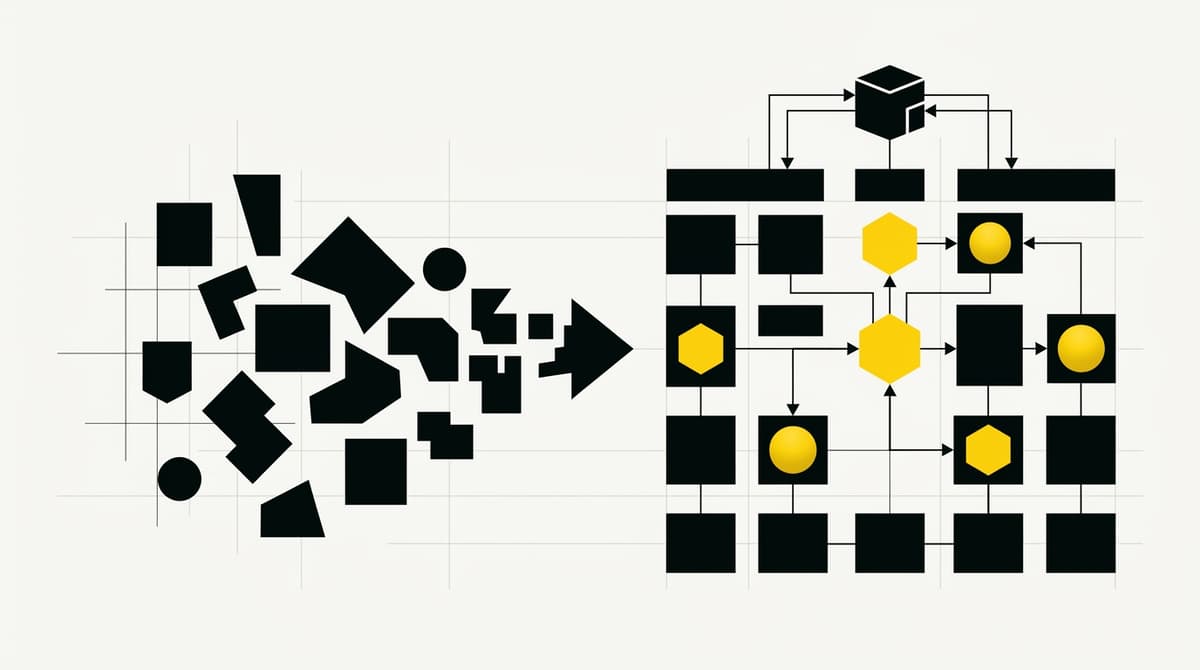
The technical foundation for AI search visibility is a machine-readable site architecture combining structured data (Schema.org), a curated root-level llms.txt file, and a canonical answer-based content hierarchy. This framework allows LLMs to extract, verify, and attribute B2B technical expertise as the definitive answer for complex queries.
What this guide covers
This guide focuses on solving the problem of outdated schema markup and the lack of knowledge graph integration within B2B websites. When site code lacks structured semantic databases and entity schema, AI scrapers often fail to interpret unstructured page layouts, which leads to incomplete or incorrect data indexing. For the Technical SEO Specialist, the primary objective is to optimize the technical site architecture to make content easily digestible by LLM search agents, resolving the unstructured knowledge barrier for B2B leaders, preventing the total exclusion of high-value technical and product documentation from generative engine answers.
Why it matters for Technical SEO Specialists
For the professional managing a B2B digital presence, the shift from traditional link-based search to generative answer engines changes the definition of visibility. B2B buyers increasingly ask AI assistants for vendor shortlists and comparisons before ever contacting a sales team. If a company's technical specifications, tolerances, and certifications are trapped in unstructured HTML or PDFs, they are effectively invisible to the models unless you optimize content structure for AI synthesis to ensure these assets are discoverable.
AI systems can only cite what is published and structured in a way that allows for clear attribution. When a brand is cited in AI answers, it enters the buyer’s consideration phase earlier, establishing familiarity and trust before the first human interaction. Conversely, a lack of technical foundation for AI citation attribution means the AI may rely on third-party data or omit the brand entirely, due to the opacity of LLM retrieval systems, forcing the sales team to spend more time convincing prospects of the company's basic capabilities rather than closing deals based on established authority.
| Comparison Criteria | AEOmachine Approach | Traditional SEO Methods |
|---|---|---|
| Primary Goal | Direct, attributable AI citations | Keyword rankings and link clicks |
| Content Structure | Canonical answer pages per question | Topic-cluster pages for keywords |
| Data Layer | Deep semantic schema & llms.txt | Basic meta tags and robots.txt |
| Visibility Metric | AI mention rate and attribution | Search Engine Results Page (SERP) position |
To secure a position in the generative era, B2B leaders must move beyond traditional indexing. Learn more about AEOmachine's AEO solutions to ensure your technical authority is recognized by every major LLM.
How to solve it
Implement deep semantic structured data
To move away from outdated schema markup, B2B sites must implement structured data that describes page content in a machine-readable format. While standard HTML tells a browser how to display text, schema.org markup tells an AI agent exactly what an entity is—whether it is a specific industrial product, a technical specification, or an organization. By using FAQ, product, and organization schema, you help machines associate your page with the specific questions and entities they are searching for. This is the first step in creating a map of expertise that AI systems can traverse without guessing the context of your technical data. You can discover how to implement structured data for AI search to specifically capture the intent of B2B buyers who are searching for precise technical solutions.
Deploy schema markup at scale
For B2B companies with vast product catalogs or complex engineering specifications, manual tagging of every page is inefficient. The solution is to deploy semantic layers across the entire site architecture to ensure that no high-value documentation is left invisible to scrapers. When schema is implemented systematically, it creates a consistent truth base that AI systems can trust. This consistency is vital because AI engines synthesize responses from a small set of sources they treat as clear and trustworthy; any discrepancy in how data is presented across pages can lower the perceived reliability of the source. To avoid engineering bottlenecks, you should learn how to implement schema markup at scale to ensure your brand is attributed as the canonical answer for your entire product line.
Publish a curated llms.txt file
A critical but often overlooked part of the technical foundation is the llms.txt file. This is a proposed convention—a file located at the site root that curates the content a site offers to language models. Unlike robots.txt, which primarily manages access and crawling, llms.txt signals to AI agents which pages the company considers its most authoritative, canonical answers. This reduces the noise the AI has to filter through and directly points the model toward the most accurate version of your technical claims. While support for this file is voluntary and varies across different AI systems, publishing it is a low-cost, high-signal move for early movers in industrial niches. You can explore what is llms.txt and how it helps with LLM optimization to proactively guide how generative agents index your site.
Create canonical answer pages
AI search visibility depends on content that is organized as a direct answer to a specific question. Pages that mix many topics without a clear structure are significantly harder for AI systems to attribute to a specific user query. An AEO strategy defines exactly which questions a company should own and creates one canonical answer page per question. These pages should feature clear headings, short factual paragraphs, and explicit definitions, making the page easier for machines to parse. This structure is particularly effective for technical questions from engineers and buyers, which are typically precise and well-suited for direct attribution. For a practical approach to this, read about how to structure B2B content for AI Overviews to maximize your chances of being cited.
Build an interlinked hub-and-spoke architecture
Technical visibility is reinforced by the relationship between pages. Interlinked hub and spoke articles help AI machines understand which page is the canonical answer for a specific subtopic. Every new answer page should link to related published answers, and older pages must be updated to link forward to new ones. This steady stream of interlinked answers builds topical authority over time, signaling to the AI that the site is a comprehensive source of truth for a particular domain. Publishing consistency in this architecture matters more than sheer volume. To ensure your site is organized correctly, you can utilize a B2B AEO checklist for structuring content to maintain this rigorous internal linking standard.
Standardize factual consistency across the domain
AI systems reuse sources that provide verifiable facts and consistent information. If a technical specification is listed differently on a product page than it is in a support document, the AI may perceive the data as unreliable. Maintaining a truth base of validated, sourced claims, which is essential for reducing misinformation risks through data alignment, prevents AI-assisted content from inventing facts (hallucinations) and increases the likelihood of your brand being cited in live browsing sessions. This process of knowledge structuring allows AI systems to extract and attribute your expertise as the definitive answer. For a deeper dive into the core concepts of this approach, see the guide on what LLM optimization is for B2B leaders.
Continue with
Establishing the technical foundation is the prerequisite for the broader strategy described in the Answer Engine Optimization pillar page, which emphasizes building visibility around the knowledge your company already possesses to influence buyers long before they contact sales.
While this article focuses on the code and architecture, the resulting citations must be managed carefully. This connects directly to the sibling cluster on managing brand association in generative AI, where the focus shifts from being "readable" to ensuring the AI associates your brand with the correct market tier and premium positioning.
Furthermore, once the technical foundation is in place, companies must monitor their progress through upcoming initiatives such as Visibility & Citations: How AI Engines Choose and Cite Sources, and how to track brand visibility and pipeline in Measurement & Attribution: Proving AEO Works—including handling AI referral tracking for direct traffic—to understand the probabilistic nature of AI citations.
Finally, the technical execution described here feeds into the strategic planning, specifically strategic budget allocation for advanced SEO, and the AEO Strategy & Economics for B2B and navigating Traffic & Pipeline in the Zero-Click Era, ensuring that technical visibility translates into actual business pipeline.
Want this applied to your company? Talk to us.
What does AI understand about your company?
See who it finds, who it trusts and where you appear.
See your marketFrequently Asked Questions
What technical foundation does a B2B site need to be read and cited by AI search engines?
A B2B site requires a foundation of structured data (Schema.org), a canonical answer-based page hierarchy, and a root-level llms.txt file. This combination ensures that technical specifications and company expertise are presented in a machine-readable format that LLMs can easily extract, verify, and attribute.
How does llms.txt differ from robots.txt in AI optimization?
Robots.txt is designed to tell crawlers which parts of a site are off-limits for indexing. In contrast, llms.txt is a voluntary convention used to signal to AI models which specific pages contain the most authoritative, canonical answers, effectively guiding the AI toward the best content for synthesis.
Can structured data alone guarantee a citation in AI Overviews?
No, structured data alone is not enough. While schema helps the AI parse the data, the underlying content must still provide a clear, direct answer to a specific question. The content must be factual, consistent across the site, and structured with clear headings to be selected for synthesis.
Why is a canonical answer page better than a traditional long-form guide?
AI search engines prefer to synthesize a single response from a few trustworthy sources. A canonical answer page focuses on one specific question, making it easier for the AI to quote and attribute. Long-form guides often mix too many topics, making it harder for the AI to isolate the definitive answer.
How does interlinking affect AI search visibility?
Interlinking through a hub-and-spoke model helps AI systems identify the primary authority for a subtopic. By linking related answers together, a company builds topical authority, signaling to the LLM that the site is a comprehensive and reliable source of truth for that technical domain.