Transform Engineering Knowledge Silos into Public Content to Qualify B2B Buyers
Part of How to Convert Your Product Catalog PDF to HTML to Generate High-Intent B2B Inquiries · The Definitive Guide to Technical Content That Generates Leads for B2B Manufacturers in the AI Era
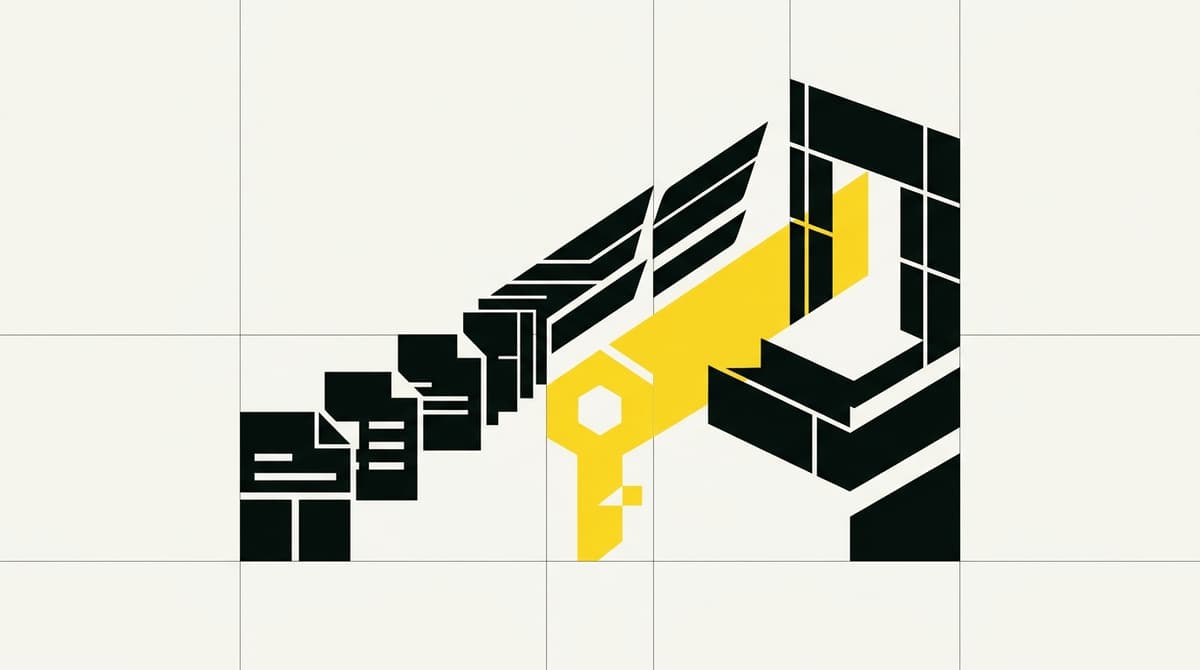
To transform engineering knowledge silos into public content, companies must extract raw technical specifications from isolated internal documents and translate them into benefit-driven, web-accessible formats. This process closes the technical literacy gap, allowing AI systems and B2B buyers to discover, verify, and prefer specific engineering solutions over competitors.
Why is it difficult to transform engineering knowledge silos into public content?
The primary challenge is the technical literacy gap, where marketing teams lack the deep domain expertise required to translate complex PDFs and specifications into content that resonates with engineers without losing technical depth.
When knowledge is siloed, the resulting public content is often superficial. This leads to a high bounce rate because engineers ignore pages that lack sufficient depth, while marketing fails to articulate the actual value proposition of the engineering work.
| Criteria | AEOmachine | Traditional Marketing Methods |
|---|---|---|
| Content Depth | Builds around existing company knowledge to maintain technical rigor. | Often creates superficial pages that engineers ignore. |
| Buyer Journey | Ensures the brand is familiar and trusted before sales contact. | Relies on sales to explain technical value from scratch. |
| AI Discoverability | Optimizes for how AI systems research and recommend solutions. | Focuses on keyword density for traditional search engines. |
By aligning technical assets with discovery patterns, B2B leaders can learn more about AEOmachine and how it resolves these structural bottlenecks.
How do you solve the technical literacy gap in B2B marketing?
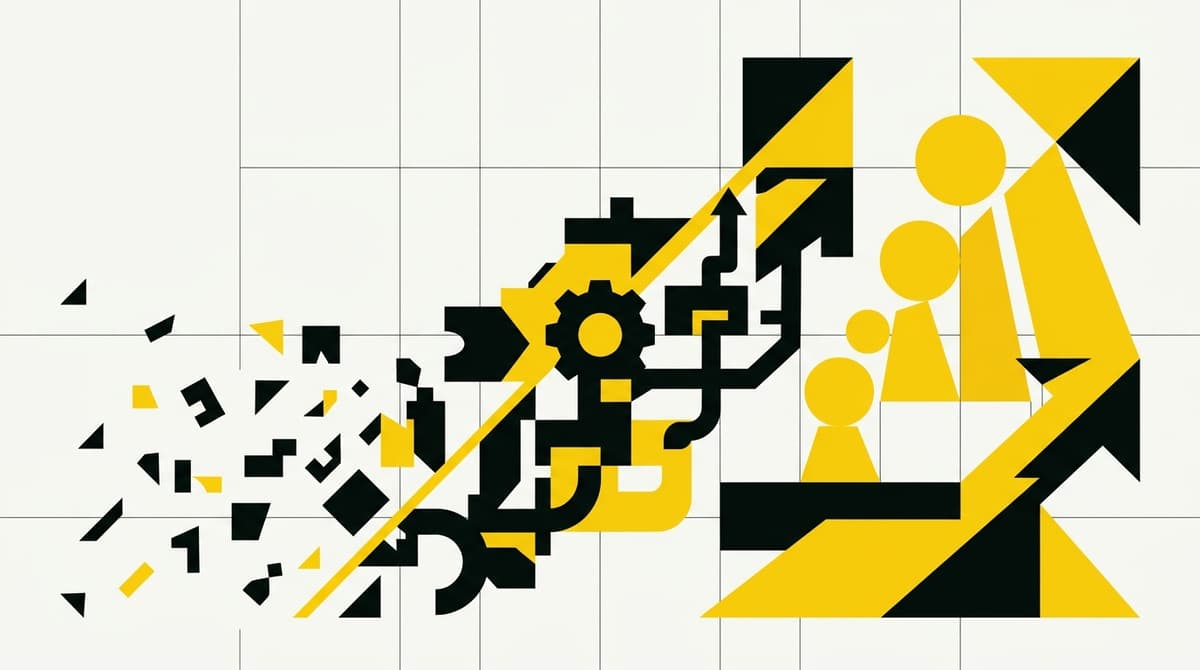
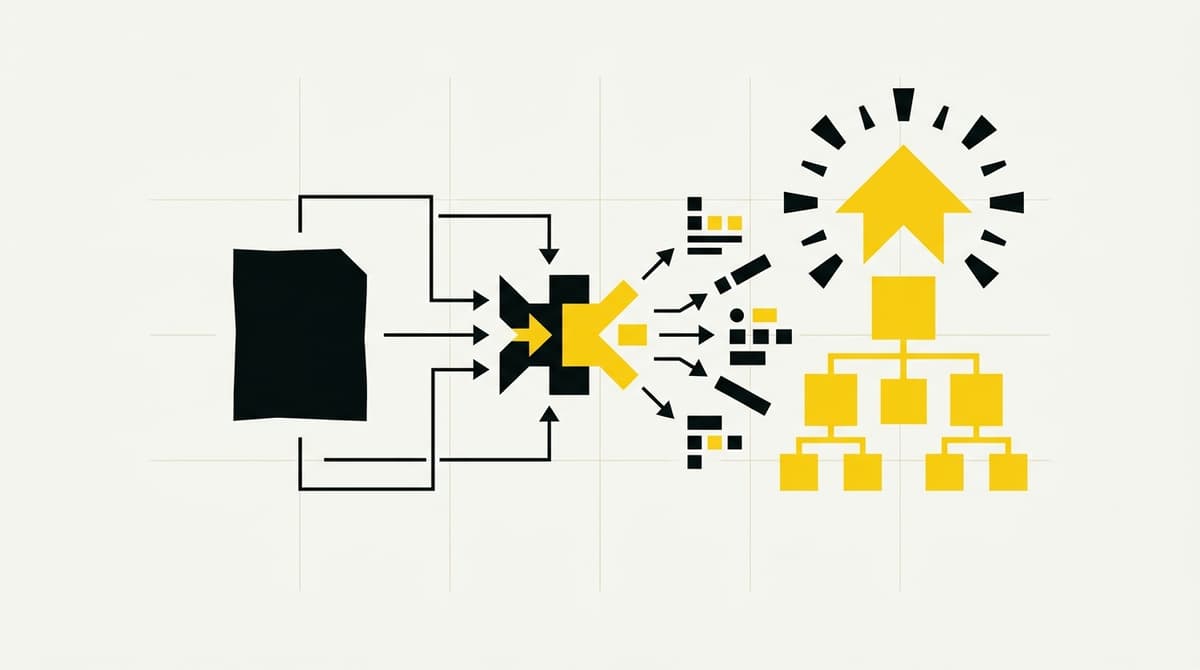
Solving the technical literacy gap requires moving away from manual datasheet conversion and toward a system that translates raw engineering data into high-intent web assets that AI can parse and recommend.
- Extract raw data: Move beyond static PDFs to structured formats.
- Translate specs to benefits: Convert a mechanical tolerance or material grade into a business outcome (e.g., "reduced maintenance cycles").
- Align with AI patterns: Structure the content so Google, ChatGPT, and Gemini can answer "who to trust" and "what works" based on your data.
- Validate with engineers: Ensure the depth is sufficient to maintain authority.
This transition is essential for those looking to transform complex engineering documentation into a lead generation engine that speaks the language of the buyer.
What happens when technical knowledge becomes public and AI-ready?
When internal expertise is successfully externalized, your company becomes part of the "intelligence" that AI systems use to form opinions long before a buyer ever contacts your sales team.
According to AEOmachine, when buyers ask AI what matters and who to consider, having your knowledge public and structured leads to several business advantages:
- Increased Perceived Value: Your solutions are recognized for their technical superiority.
- Reduced Price Competition: You stop competing solely on cost because your authority is established.
- Higher Trust: Buyers experience more familiarity with your brand during the research phase.
- Efficient Sales Cycle: You experience less explaining and less convincing because the buyer is already qualified.
This shift is critical because B2B buyers now investigate solutions and compare alternatives through AI before reaching out. By the time they contact sales, you are no longer a stranger.
How does this impact the bottom line for B2B leaders?
Turning technical silos into public assets increases the room for margin and reduces the cost of customer acquisition by automating the education phase of the funnel.
The market for these intelligent discovery services is expanding rapidly, with projections suggesting the sector will reach 13 billion USD by 2033, growing at a compound annual growth rate of 14 percent between 2026 and 2033, as reported by EIN Presswire. Companies that aggressively use technology to make their knowledge retrievable gain a significant competitive advantage in how AI systems choose what to recommend.
For those managing large libraries, learning how to convert product catalog PDFs to HTML is the first step in making this knowledge accessible to the modern AI-driven buyer journey.
How this connects to the rest of the cluster
To further optimize your technical presence, explore how to turn technical documentation into pages that specifically qualify engineers. You can also learn how to implement docs as code to scale your technical authority. For those focused on trust, see how to attract engineers with documentation that builds authority. Finally, read our analysis on scalable technical content creation to reduce manual conversion costs.
What does AI understand about your company?
See who it finds, who it trusts and where you appear.
See your marketHow do you approach transform engineering knowledge silos into public content?
The approach involves identifying isolated technical data (silos), translating raw specifications into benefit-driven public content that addresses the technical literacy gap, and structuring this information so AI search engines can retrieve and recommend it to B2B buyers.
Why is the technical literacy gap a problem for B2B leads?
It creates a disconnect where marketing content is too superficial for engineers, leading to high bounce rates and a failure to qualify high-intent leads before they reach sales.
How do AI systems like Gemini or ChatGPT influence B2B buying?
Buyers use these systems to ask what works and who to trust, forming an opinion on vendors based on the public technical data available to the AI's intelligence.
Does transforming silos into content require replacing all existing marketing?
No, it is not about replacing what works, but building upon what the company already knows to increase perceived value and trust.
What is the business result of becoming "AI-preferred" in engineering?
Companies experience more trust, less competition on price, and increased margins because buyers are pre-qualified and familiar with the brand's authority.
Talk to us to see how AEOmachine applies to your company: AEOmachine.