How to Convert Your Product Catalog PDF to HTML to Generate High-Intent B2B Inquiries
Part of The Definitive Guide to Technical Content That Generates Leads for B2B Manufacturers in the AI Era

Turning a product catalog PDF to HTML involves migrating static document data into a structured, web-based format that search engines and AI models can index. This transition allows B2B companies to make technical specifications discoverable, enabling prospective buyers to find specific solutions and initiate inquiries directly through their browser.
What this cluster covers
This cluster addresses the challenge of "invisible data," where critical B2B product specifications and value propositions are trapped inside static PDF files. We focus on the strategic movement of transitioning these documents into a semantic HTML framework, ensuring that your technical data is not just hosted on the web, but is actively discoverable by AI agents and search engines to drive qualified business inquiries.
Why it matters for B2B leaders
For B2B leaders, the way customers research products has fundamentally shifted. Modern buyers no longer want to download a 100-page document to find one technical specification; they ask AI systems what to buy, who to trust, and which companies to consider. When your data is locked in a PDF, you are effectively invisible during this critical AI-driven research phase. By moving to HTML, you ensure your company is part of the intelligence that AI models use to form opinions before a buyer ever contacts your sales team.
The market for AI search optimization is expanding rapidly, with projections suggesting it will reach 13 billion USD by 2033, growing at a compound annual rate of 14 percent between 2026 and 2033. This indicates a massive shift in how content must be structured to remain competitive. B2B leaders who adopt an AEO-first approach experience more perceived value and more room for margin because they stop competing solely on price and start competing on the perceived authority and familiarity of their brand.
| Comparison Criteria | AEOmachine Approach | Traditional PDF Hosting |
|---|---|---|
| AI Discoverability | High; structured for LLM parsing | Low; limited indexing of PDF layers |
| Buyer Friction | Low; instant browser access | High; requires downloading large files |
| Update Velocity | Real-time; instant HTML edits | Slow; requires re-uploading documents |
| Lead Trigger | Contextual inquiry triggers per page | Manual; user must find contact page |
To understand how to implement these strategies for your specific business model, explore the AEOmachine platform and see how we align your content with AI search behaviors.
How to solve it
Audit your current document architecture
The first step in moving a product catalog PDF to HTML is not about the file format, but about the information architecture. You must analyze your current PDF to identify which sections serve as answers to common buyer problems. Most traditional catalogs are organized by product category, but B2B buyers search by the problem they are trying to solve. By auditing your PDF, you can map static pages to specific intent-based queries that AI engines prioritize. This ensures that when you transition to HTML, you are building a lead-generation engine rather than just a digital mirror of a paper brochure.
Deconstruct the PDF into unique web entities
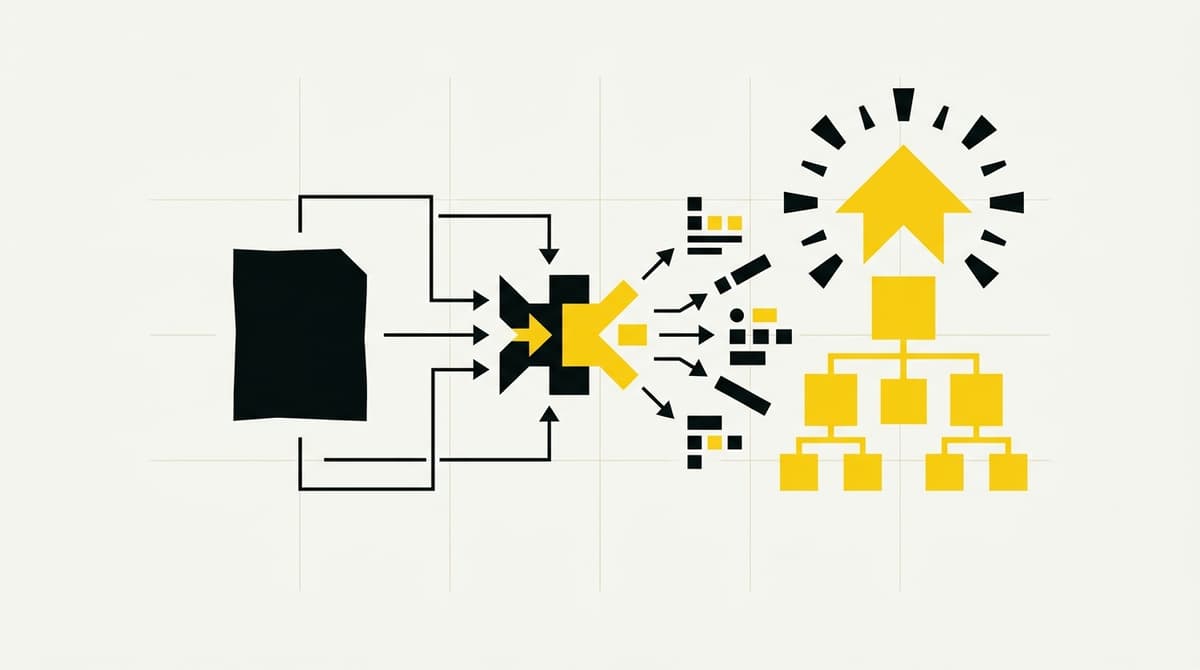
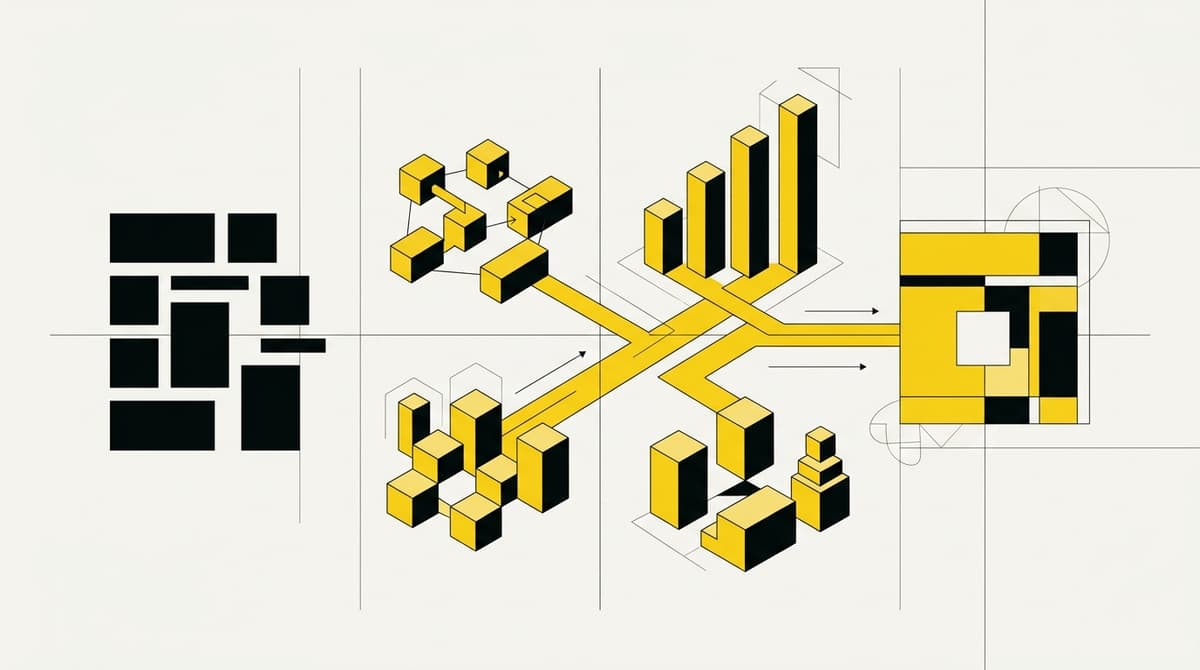
To successfully convert your catalog, you must break the linear document down into individual product entities. A static PDF is a dead end, whereas an HTML page is a bridge. Each product should ideally have its own dedicated URL. This granularity is what allows AI systems to recommend a specific part or model rather than just linking to a massive document. By turning technical documentation into pages that attract engineers, you increase the surface area for discovery across Google, ChatGPT, and Gemini. This approach allows for specific metadata and targeted content that builds trust and authority with engineers and speaks directly to the user's technical needs.
Implement a semantic answer-style structure
Once the content is in HTML, the surrounding text must shift from a "brochure style" to an "answer style." AI models prioritize content that provides the most direct answer to a query. Instead of using marketing fluff, focus on clarity, authority, and directness. Structure your pages to answer specific questions, such as "What is the best solution for [specific use case]?" This shift in tone makes your content more readable for LLMs and increases the likelihood that your products will be recommended as the primary solution during the AI research phase.
Create contextual inquiry triggers
The goal of converting a product catalog PDF to HTML is to generate inquiries. To achieve this, you must replace the single "Contact Us" page at the end of a catalog with specific, contextual inquiry triggers on every single product page. When a buyer finds a technical specification that solves their problem, the call-to-action (CTA) should be immediate—such as "Request a Quote for this Model" or "Check Compatibility." This eliminates the friction of the buyer having to navigate away from the technical data, significantly increasing the conversion rate from visitor to lead.
Build a web of internal semantic links
To move a buyer from a single product page to a full solution, you must build a web of internal semantic links. If a buyer lands on a page for a specific component, the HTML structure should naturally suggest compatible accessories or installation kits based on technical logic. This mirrors the way a sales expert would guide a customer through a physical catalog but does so automatically and at scale. This nodal structure helps AI engines understand the relationship between your products, further enhancing your authority in that specific technical niche.
Iterate based on real-world sales data
Unlike a PDF, which is static once published, HTML allows you to evolve your content based on real-world data. You can monitor which product pages are driving the most inquiries and refine the language to better match buyer intent. This continuous improvement loop ensures that your digital presence remains aligned with how the market is searching for your solutions. By utilizing a feedback loop from your sales team, you can identify new questions buyers are asking and integrate those answers directly into your HTML pages to improve AEO performance.
How this connects to the rest of the cluster
The process of moving your catalog from PDF to HTML is the foundational step for any B2B company looking to survive the AI shift. Once your data is accessible in HTML, you can apply more advanced AEO techniques to ensure those pages are not just indexed, but actively recommended by AI assistants as the preferred choice.
This technical migration works in tandem with a broader strategy of defining what your company should become known for. By controlling the narrative in a machine-readable format, you ensure that your brand is no longer a stranger to the buyer by the time they contact your sales team.
For a comprehensive look at how these individual movements fit into a larger growth framework, refer back to our primary guide on AI-driven B2B growth.
What does AI understand about your company?
See who it finds, who it trusts and where you appear.
See your marketFrequently Asked Questions
How do I turn a product catalog PDF into pages that generate inquiries?
You turn a product catalog PDF into inquiry-generating pages by deconstructing the PDF into individual HTML product pages. Each page should feature a direct answer to a specific buyer problem and a contextual call-to-action (CTA) allowing the user to request a quote without leaving the page.
Why is HTML better than PDF for AI search engines?
AI search engines and LLMs parse structured HTML much more effectively than PDF layouts. Moving your data to HTML makes your product specifications readable for AI models, which increases the likelihood that your products will be recommended as a solution to a user's query during the research phase.
Will converting my catalog to HTML require me to change all my existing content?
No, you do not need to change everything. The goal is to build around what your company already knows. You are transitioning the format and the structure to be more semantic and answer-oriented, rather than replacing the core technical expertise and product data you have already developed.
How does AEO affect the B2B sales cycle?
AEO shortens the sales cycle by educating the buyer before they ever contact your team. When AI engines recommend your products based on structured HTML data, the buyer arrives at your sales desk with a higher level of trust and familiarity, meaning they require less convincing and are less likely to compete solely on price.
Can I still provide a PDF version of my catalog?
Yes, you can provide a PDF for users who prefer offline viewing, but it should not be the primary way your data is discovered. The HTML version serves as the lead-generation and discovery engine, while the PDF remains a supporting document for the final stages of the procurement process.