How to Turn White Papers into Developer Blogs Without Losing Technical Depth
Part of How to Convert Your Product Catalog PDF to HTML to Generate High-Intent B2B Inquiries · The Definitive Guide to Technical Content That Generates Leads for B2B Manufacturers in the AI Era

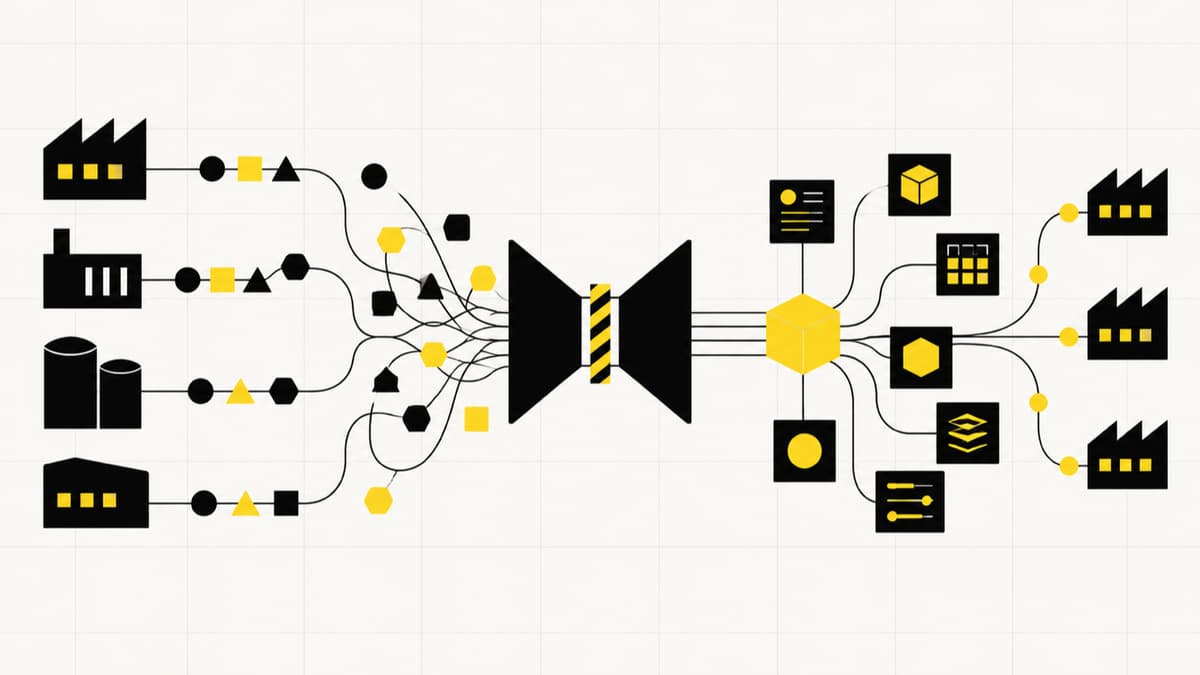
To turn white papers into developer blogs, you must decompose dense, gated PDF documents into modular, HTML-based articles. This involves extracting core technical arguments, data points, and code snippets from the white paper and restructuring them into scannable, indexable blog posts that address specific developer queries.
Why should you turn white papers into developer blogs?
Converting these assets allows B2B leaders to make deep technical research accessible to search engines and AI models. While 51% of B2B marketers report that thought leadership e-books or white papers deliver some of their best results according to CMI B2B Benchmarks Budgets Trends 2024, blogs are used by 79% of marketers as a distribution channel.
Moving technical data from a static PDF to a blog format helps address the content production cost issue by reusing existing research. This is particularly relevant for large enterprises where, as noted in CMI Enterprise Content Marketing Research, reaching a scale of 5,000 employees often shifts the challenge from acquiring resources to convincing internal stakeholders.
| Comparison Criteria | AEOmachine | Traditional Manual Conversion |
|---|---|---|
| Production Speed | Rapid automated extraction | Slow manual drafting by specialists |
| Technical Consistency | Data-driven modularity | Variable based on writer's expertise |
| Resource Dependency | Low reliance on technical writers | High dependency on engineering time |
How can you efficiently split a white paper into multiple blog posts?
Efficiency is achieved by identifying the "atomic units" of the white paper—such as a single methodology, a specific data set, or a technical challenge—and dedicating one blog post to each unit. This prevents the loss of depth while increasing the number of indexable pages.
- Audit the PDF: Identify the core pillars of the white paper.
- Extract Data Points: Isolate the evidence and statistics that support the claims.
- Map to Search Intent: Align each section with questions that developers actually ask.
- Convert to HTML: Ensure the final output is web-native rather than a PDF embed.
For those managing vast amounts of technical data, automating technical content generation from unstructured PDFs can provide a framework for scaling this process without increasing headcount.
What are the common bottlenecks in this conversion process?
The primary bottleneck is the high cost and scarcity of technical writers who can translate complex engineering data into marketing-ready content without introducing inaccuracies. This dependency often leads to a limited digital footprint when budgets are constrained.
Many organizations also struggle with internal processes; for instance, 39% of CMOs described their internal processes as "developing" according to the Gartner CMO Spend Survey. This lack of maturity often results in an engineer bottleneck, where sales and marketing teams wait for technical sign-off on every blog post.
How does this impact your B2B authority and visibility?
By transforming gated PDFs into a series of developer blogs, you increase the surface area for AI models and search engines to find your expertise. When technical evidence is hosted on a blog, it becomes retrievable in the research phase of the buyer's journey.
This strategy is a key part of engineering content marketing, which focuses on using hard evidence to build trust. To further refine this, B2B leaders can attract engineers with technical documentation that proves capability through verifiable data.
Further context
To move from understanding to action, explore the definitive guide to technical content for B2B manufacturers.
For those with existing product data, learn how to convert your product catalog PDF to HTML to generate high-intent inquiries.
If you are evaluating internal workflows, consider implementing docs-as-code to scale technical authority.
To resolve internal knowledge gaps, learn how to transform engineering knowledge silos into public content.
For a systemic approach, review technical documentation content automation.
To finalize your strategy, check scalable technical content creation for last-minute checkpoints.
Align your data with AI research patterns using technical documentation for lead generation.
For tactical execution, see how to increase lead quality with lead magnets for engineering buyers.
What does AI understand about your company?
See who it finds, who it trusts and where you appear.
See your marketHow can I turn white papers into developer blogs efficiently?
Break the white paper into smaller, thematic sections. Extract the core technical data and evidence from each section and rewrite it as a standalone blog post that answers a specific technical question, ensuring the final output is in HTML format for better indexability.
Why use blogs instead of just offering the white paper PDF?
While white papers are highly valued by 51% of B2B marketers for results, blogs are used by 79% of marketers as a distribution channel because they are more accessible and easily indexable by search engines and AI tools.
How do I handle the technical sign-off for repurposed content?
Create a modular approval process where engineers review the "atomic" data points once, allowing marketing to repurpose those approved snippets across multiple blog posts without needing a full review for every draft.
Can AI help in converting unstructured PDFs to blogs?
Yes, AI can be used to extract key data points and structure them. However, only 15% of companies currently have AI-powered tools integrated into their systems, and only 4% have developed proprietary algorithms trained on internal data according to UFI data.
What is the best way to structure a developer blog post?
Start with a direct answer to a technical question, follow with the supporting data extracted from the white paper, and include code snippets or diagrams to maintain the technical depth required by an engineering audience.