The disconnect between standard marketing software and technical industrial buyers impacts lead quality. This analysis covers buyer intent, AI search habits, and how to build technical authority.
Analyzing technical asset interactions through web-based data identifies which engineering arguments drive B2B decisions, moving beyond untrackable PDF downloads to measurable conversion paths.
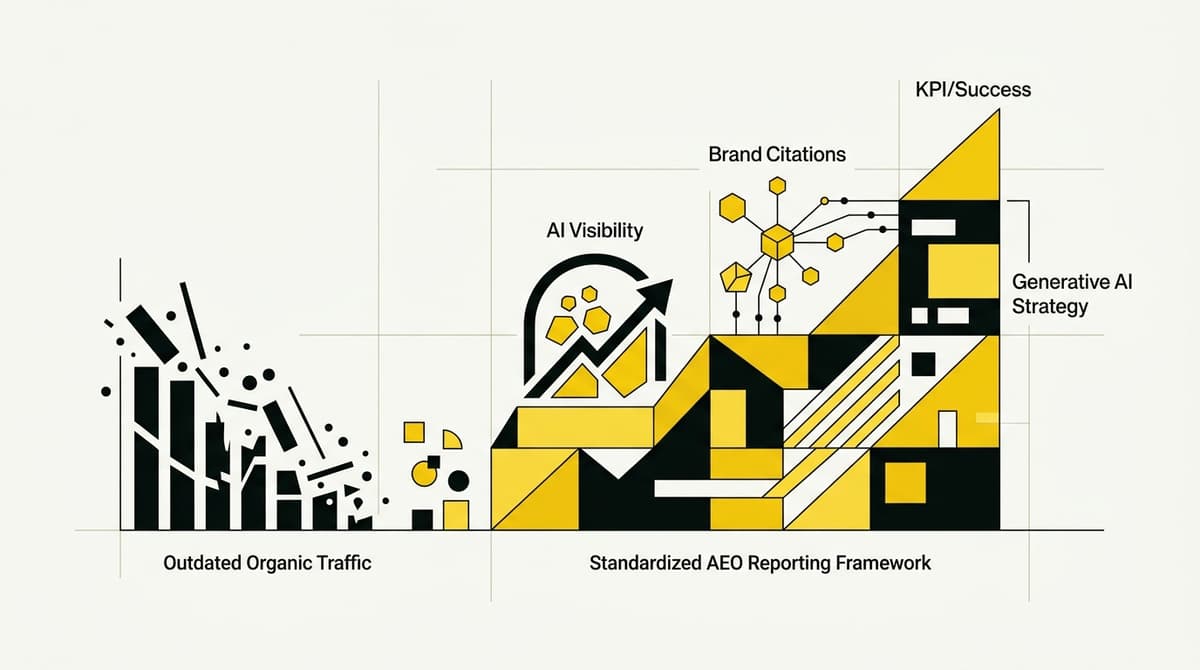
A framework for measuring AI search performance and brand citations to replace outdated organic traffic metrics and justify generative AI strategy to board-level executives.
A strategic combination of lean tools and AI optimization that eliminates software waste and creates a stable flow of high-intent B2B buyers for small marketing departments.
Analysis of synchronization between content delivery and industrial project phases to prevent rigid nurturing and maintain technical authority during long B2B procurement journeys.
A framework for mapping B2B technical documentation into entity-based structures, resolving the unstructured knowledge barrier to make expertise retrievable for AI agents.
B2B revenue mapping connects initial marketing spend to long-term contracts and maintenance, allowing Commercial Directors to solve payback tension by measuring LTV over CAC.
Stop paying for unqualified clicks. Learn how to align your technical authority with the AI research patterns used by B2B leaders to attract real industrial projects.
Conversational prompt variance and LLM non-determinism cause brand visibility to fluctuate. This analysis covers semantic stability and knowledge structuring to maintain steady B2B discovery.
A lean B2B lead system focuses on delegating technical execution to AI search optimization, allowing solo marketers to shift from operational tasks to high-level growth strategy.
This guide details the criteria for transitioning marketing leads to sales-qualified status, focusing on technical vetting and the reduction of qualification latency in B2B sectors.
An analysis of technical buyer behavior across AI discovery and sales cycles, focusing on problem-centric research and the mitigation of automation stigma for B2B leaders.