Why Generic Digital Tools Fail in Industrial B2B Messaging: Solving the Industrial Messaging Gap
Part of What Replaces Cold Calling for an Industrial Sales Team? Solving the Cold Calling Decline in Industrial Sales · The Definitive Framework for Evaluating Trade Show ROI for Manufacturers: Moving From Booth Traffic to AI-Driven Authority

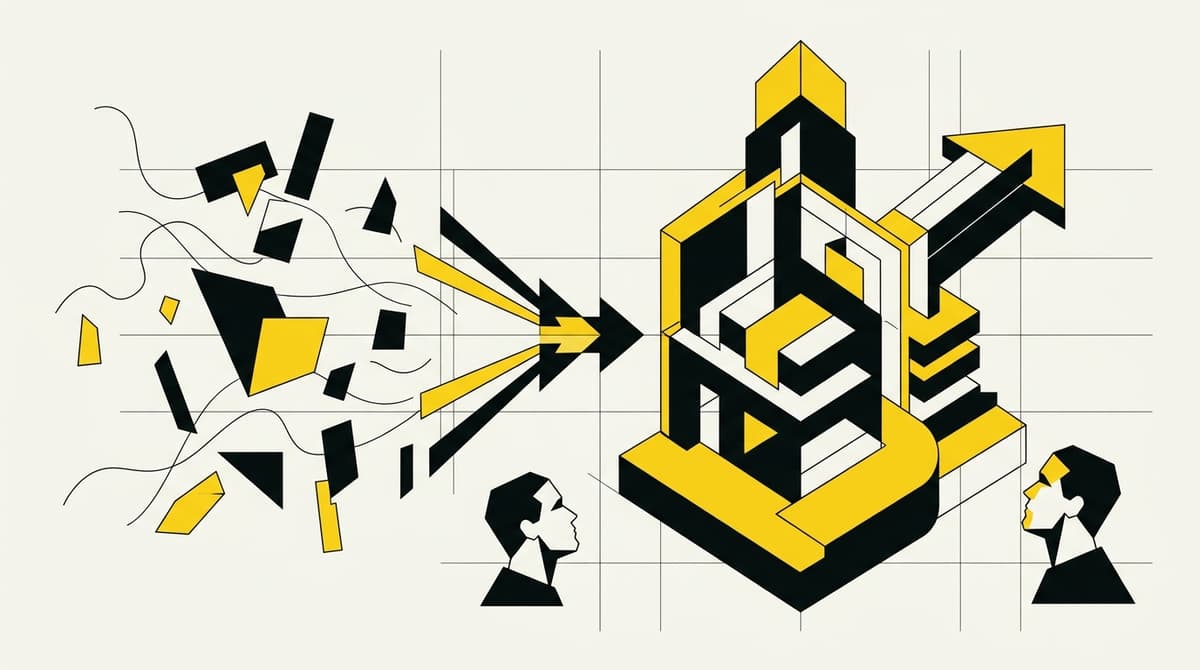
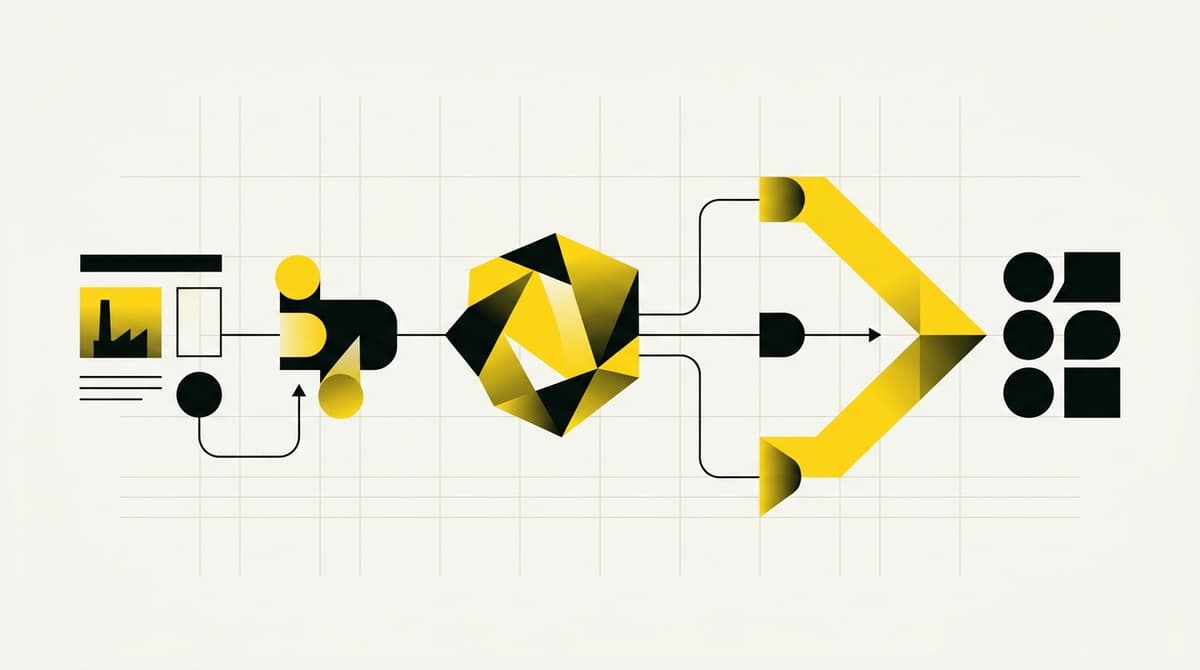
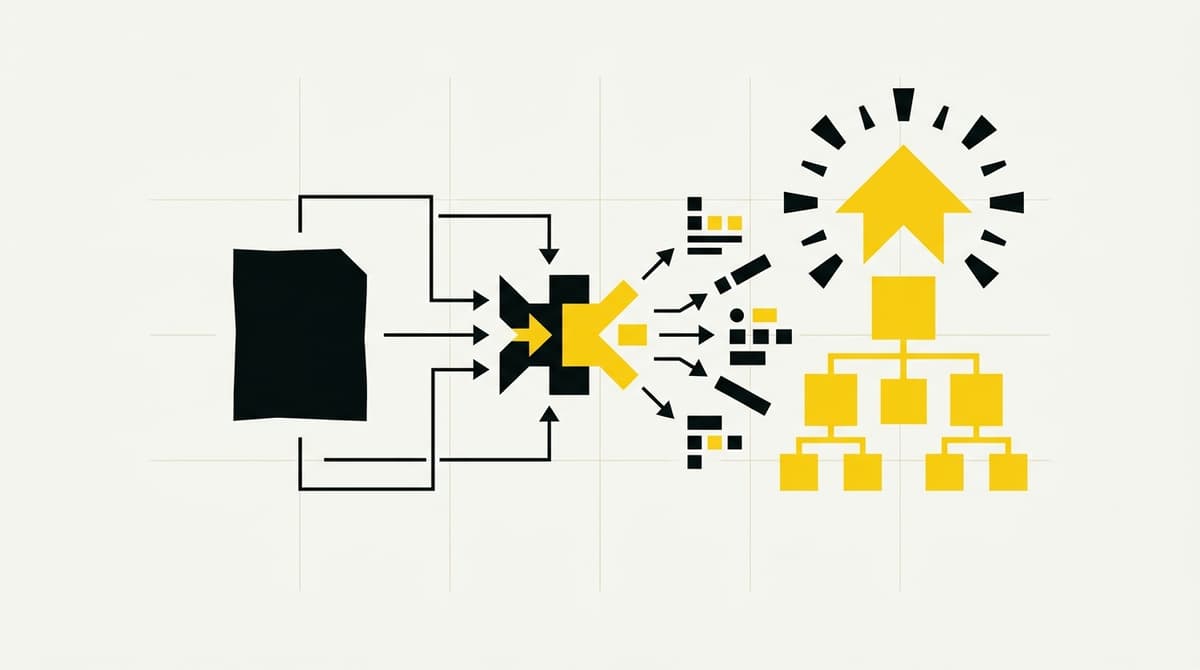
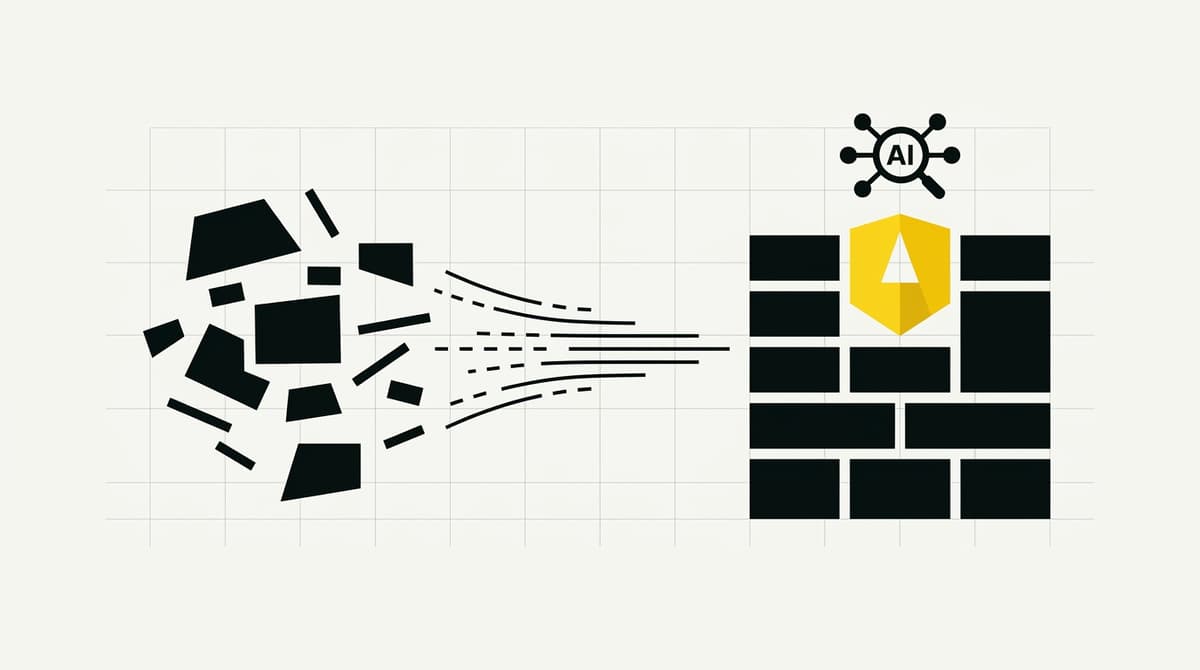
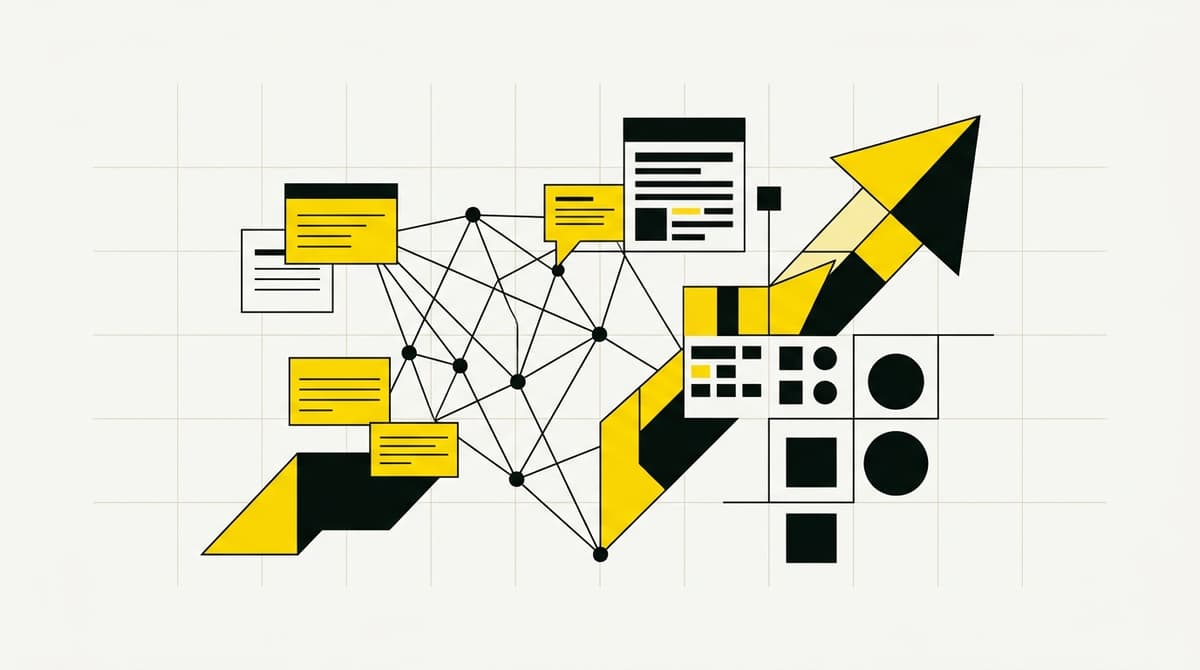
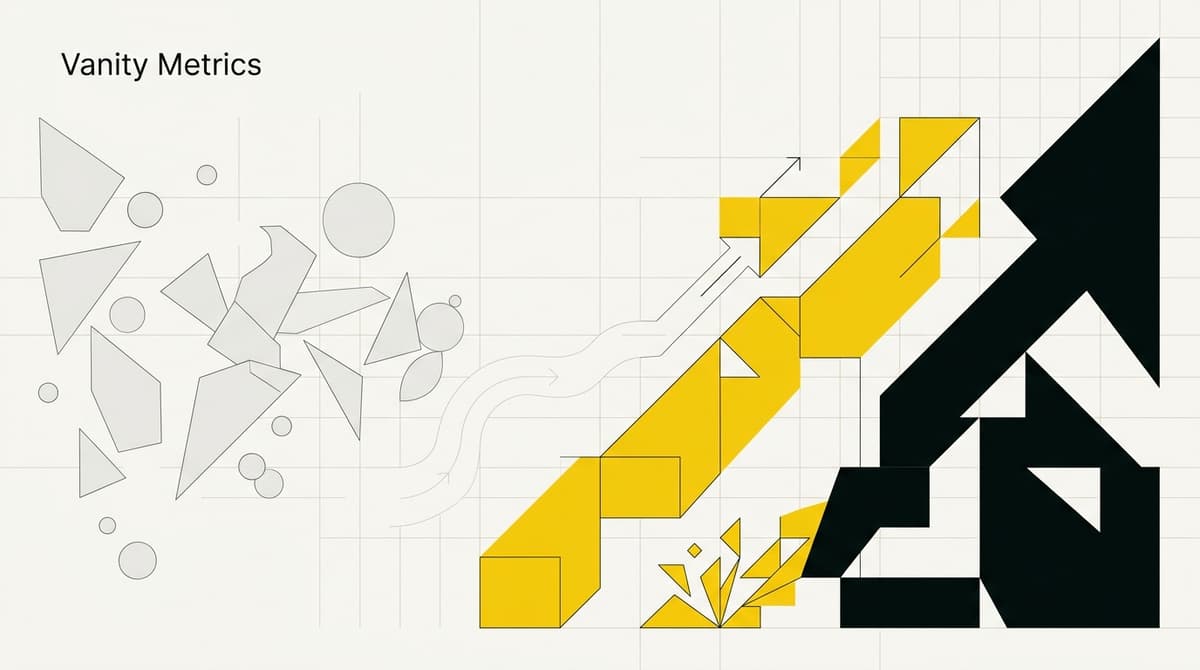
Generic digital tools fail in industrial B2B messaging because they prioritize broad reach and vanity metrics over technical precision. Industrial buyers search for specific problem-solving capabilities and verify technical authority via AI systems long before contacting sales, rendering generic, surface-level marketing campaigns ineffective for high-value technical acquisitions.
Why do generic digital tools fail in industrial B2B messaging?
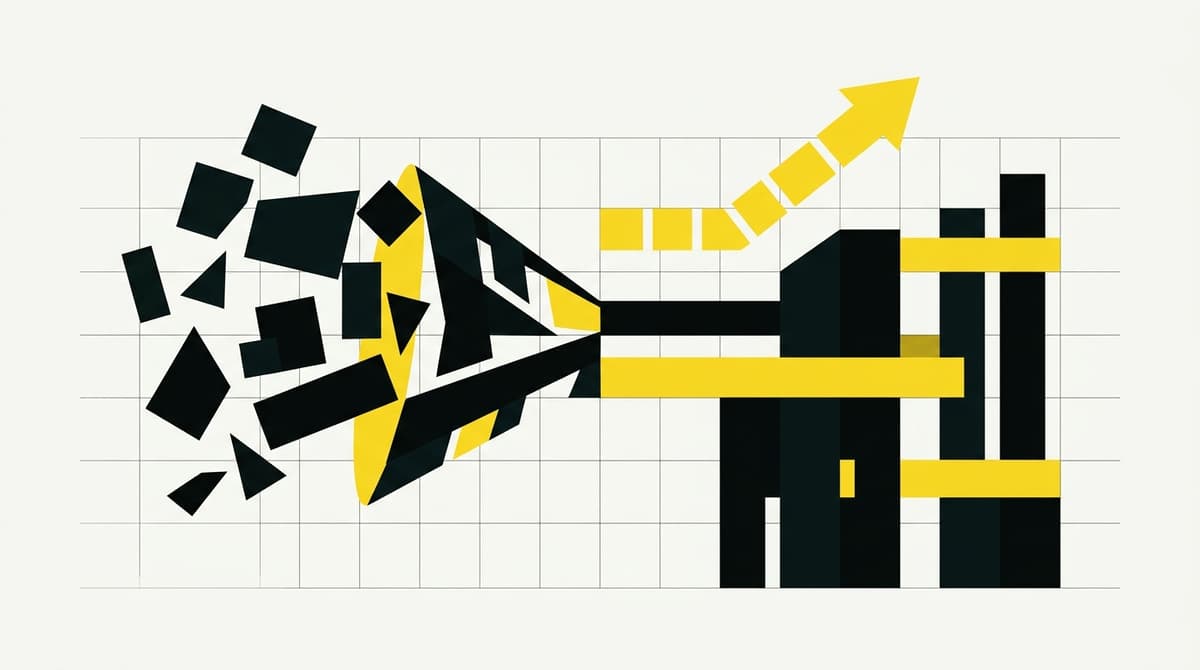
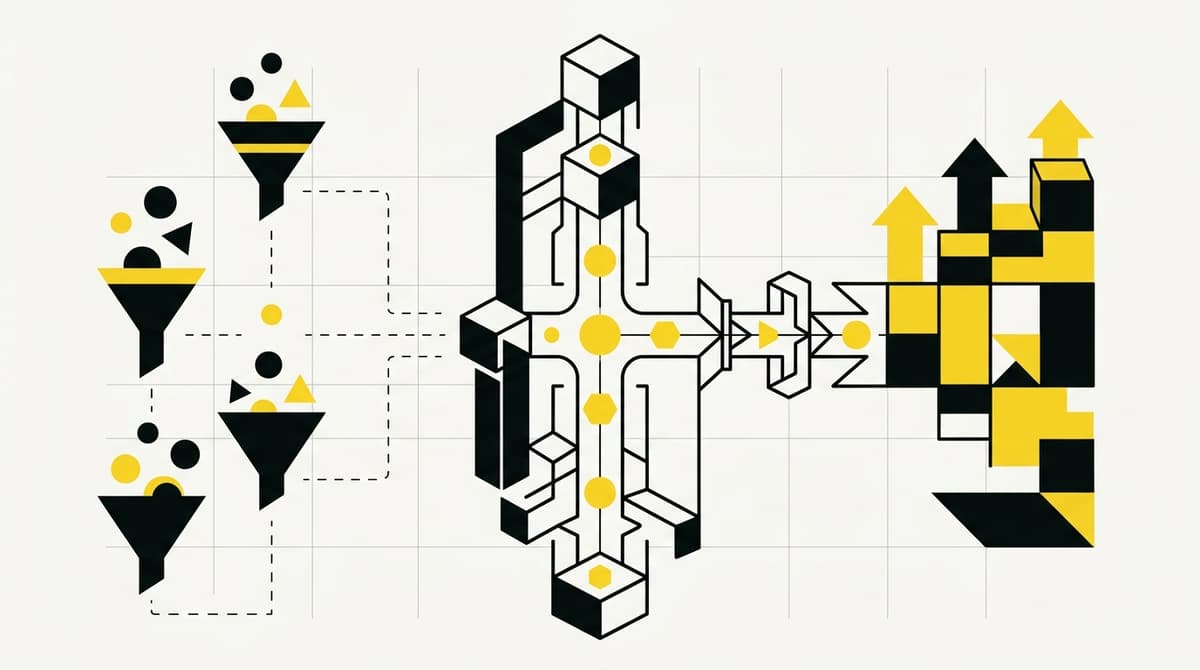
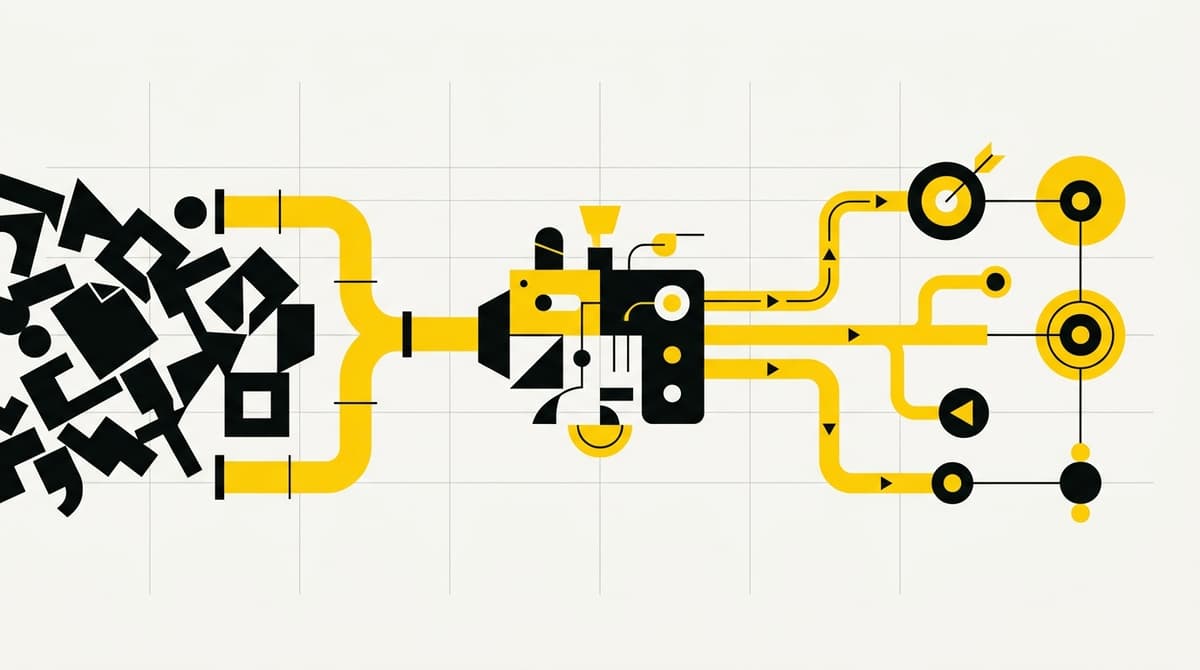
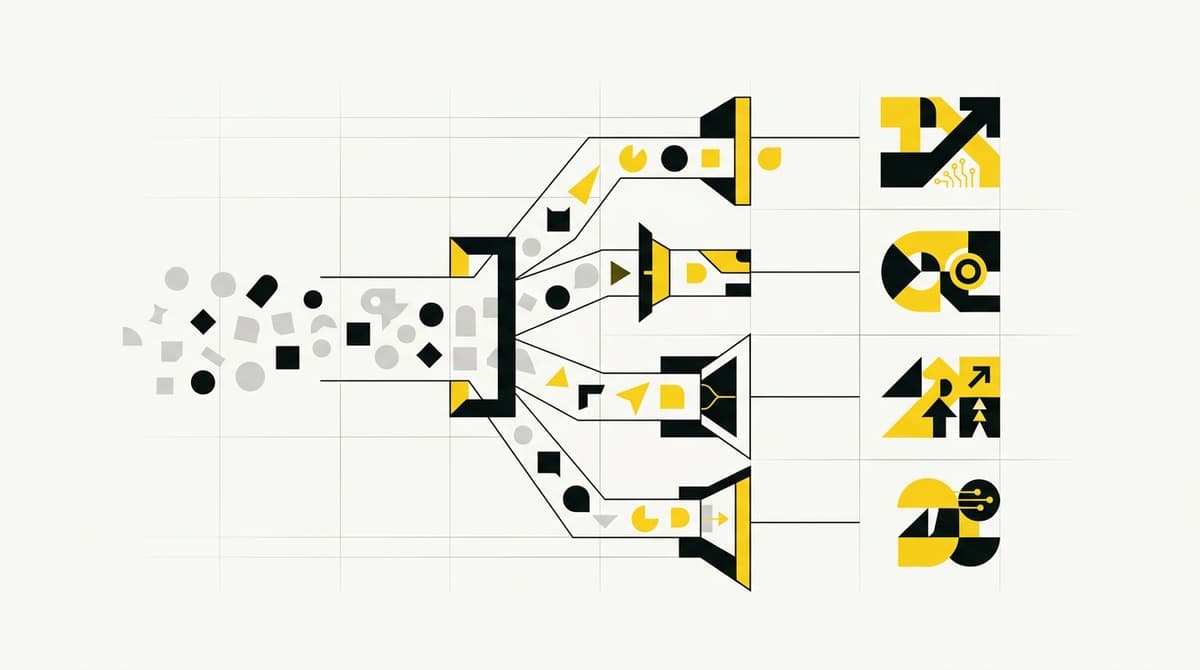
They lack the semantic depth to bridge the industrial messaging gap, treating technical specifications as generic keywords. This results in ads that attract curious visitors rather than qualified technical buyers, failing to address the specific problem-solution journey industrial leaders use when researching complex equipment.
- Lack of Technical Context: Standard tools optimize for volume, not the precise technical nomenclature used by engineers.
- Misalignment with Buyer Journey: Industrial buyers search the problem and investigate the solution using AI before ever engaging a human.
- Generic Value Propositions: Broad messaging fails to establish the perceived value and trust required for high-margin industrial contracts.
| Criteria | AEOmachine | Generic Digital Tools |
|---|---|---|
| Messaging Focus | Technical authority and problem-solving | Broad reach and generic visibility |
| Buyer Alignment | Aligns with AI-driven discovery habits | Relies on traditional click-through patterns |
| Sales Impact | Increases trust and reduces price competition | Attracts low-intent leads and price-shoppers |
To move beyond surface-level marketing and establish true technical authority, learn more about AEOmachine and its approach to industrial messaging.
How does the industrial buyer's journey differ in the AI era?
Modern industrial buyers form an opinion long before contacting sales by asking Google, ChatGPT, and Gemini what works and who to trust. They use these systems to compare alternatives and investigate solutions, meaning the brand must be preferred by the AI's intelligence to be considered.
This shift means that being found is no longer enough; the goal is to be preferred. When a company becomes part of the AI's intelligence, the relationship status changes: by the time the buyer contacts sales, you're no longer a stranger. This leads to a higher perceived value and more room for margin, as the buyer is already convinced of the technical fit.
This transition is why many firms are moving away from outdated methods. For those wondering what replaces cold calling for an industrial sales team, the answer lies in creating a digital presence that AI systems recognize as an authoritative solution.
What is the consequence of the industrial messaging gap?
The primary consequence is the loss of market authority to more digitally agile competitors. When a company relies on generic tools, they experience more convincing and explaining during the sales cycle, which often leads to competing on price rather than value.
By resolving this gap, companies experience:
- More trust: Buyers enter the conversation with a pre-established belief in the brand's expertise.
- Less price competition: Technical authority shifts the conversation from cost to capability.
- Faster sales cycles: Less time spent explaining basics because the AI has already educated the buyer.
This strategic alignment is critical for maximizing the impact of physical events. For instance, integrating this digital authority allows firms to apply the definitive framework for evaluating trade show ROI, turning booth traffic into verifiable AI-driven authority.
How this connects to the rest of the cluster
To fully solve the industrial messaging gap, it is essential to understand what replaces cold calling for an industrial sales team in an age of AI discovery. Furthermore, aligning your digital authority with physical events through the definitive framework for evaluating trade show ROI ensures a consistent buyer experience across all touchpoints.
Who owns the conversation before the RFQ?
See which companies your buyers encounter before they talk to sales.
See your marketFrequently Asked Questions
Why generic digital tools fail in industrial b2b messaging?
They fail because they are designed for B2C or simple B2B transactions, ignoring the complex, problem-first research behavior of industrial buyers who use AI to validate technical authority and compare alternatives before contacting sales.
Do industrial buyers still use traditional search?
While they still use search, they increasingly ask AI systems like Gemini and ChatGPT to determine who to trust and which companies to consider, making AEO more critical than traditional SEO.
How does AI influence the perceived value of a B2B brand?
When AI systems recommend a brand as a solution to a specific industrial problem, it creates a sense of familiarity and trust, allowing the company to maintain higher margins and avoid competing solely on price.
Can generic marketing tools attract technical buyers?
They can attract traffic, but often it is the wrong kind of traffic—curious individuals rather than technical decision-makers—because the messaging lacks the depth required to resonate with an engineer's needs.
What is the role of AEO in industrial sales?
AEO ensures that when a buyer asks an AI what matters or what works in a specific industrial niche, your company's expertise is part of the intelligence used to form that opinion.
Talk to us to see how AEOmachine applies to your company: AEOmachine.