Automating Technical Content Generation from Unstructured PDFs: Scaling Engineering Authority
Part of How to Convert Your Product Catalog PDF to HTML to Generate High-Intent B2B Inquiries · The Definitive Guide to Technical Content That Generates Leads for B2B Manufacturers in the AI Era
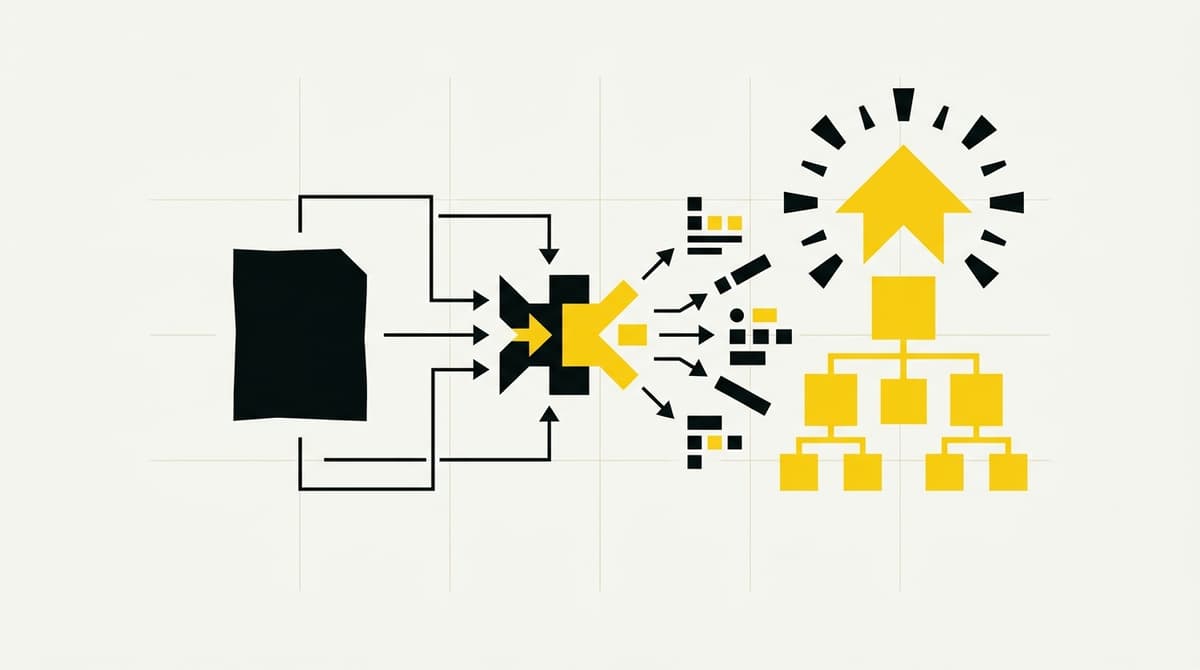
Automating technical content generation from unstructured PDFs involves using technology aggressively to extract raw engineering data from static documents and transforming it into structured, discoverable web assets. This process enables B2B companies to align their technical knowledge with AI discovery patterns, ensuring that high-intent buyers find specific answers during their research phase.
Why is automating technical content generation from unstructured PDFs necessary for B2B?
It is necessary because B2B buyers now ask AI systems what to buy and who to trust long before contacting sales. When technical data is trapped in unstructured PDFs, it remains invisible to AI, forcing users to manually search through documents rather than receiving direct answers.
- Increases Perceived Value: Structured technical assets make a company appear more authoritative.
- Reduces Price Competition: When buyers trust the technical superiority found via AI, there is more room for margin.
- Shortens the Sales Cycle: Buyers form an opinion based on AI research before the first call, meaning you are no longer a stranger when they contact sales.
- Improves Trust: Providing direct, verifiable technical answers via AI search engines increases buyer familiarity and trust.
| Comparison Criteria | AEOmachine | Traditional PDF Storage |
|---|---|---|
| AI Retrievability | High (Structured/Semantic) | Low (Monolithic Files) |
| Buyer Experience | Direct answers to technical queries | Manual searching through pages |
| Sales Impact | High perceived value and trust | Price-based competition |
To scale this transition, B2B leaders should learn more about AEOmachine and how it helps companies become part of the intelligence that AI engines use to recommend solutions.
How does the automation process impact the B2B buyer journey?
Automation changes the journey by allowing buyers to investigate solutions, compare alternatives, and form a preference via AI before they ever reach out. This shifts the sales interaction from a basic explanation to a high-value closing conversation.
According to market data, the AI search optimization sector is expanding at a compound annual growth rate of 14 percent between 2026 and 2033, with projections reaching 13 billion USD by 2033 (EIN Presswire). This growth highlights the urgency for B2B firms to move beyond static files.
By implementing a strategy for converting product catalogs to HTML, companies ensure that their specific capabilities are part of the opinion formed by AI systems. This approach aligns with the definitive guide to technical content, focusing on transforming complex documentation into lead generation engines.
What are the results of scaling technical authority through automation?
The result is a significant reduction in the need for extensive explaining and convincing during the sales process. When technical authority is established via AI, buyers experience more familiarity and trust in the brand's capabilities.
- Less Explaining: The AI has already educated the buyer on the technical specs.
- Less Convincing: The evidence of authority is presented objectively by the AI system.
- Higher Lead Quality: Only buyers who have already validated the solution through AI research contact the sales team.
How this connects to the rest of the cluster
For those looking to refine their approach, you can learn how to turn technical documentation into pages that specifically attract engineers, or explore how to implement docs as code to scale technical authority. To further build trust, see how to attract engineers with documentation. For operational efficiency, we cover scalable technical content creation and how to transform engineering knowledge silos into public content. Additionally, our strategy for technical documentation content automation helps scale authority, while our analysis of unqualified traffic in 2026 explains the risk of attracting researchers instead of buyers. Finally, we detail aligning engineering data with AI research and increasing lead quality with lead magnets for B2B engineering buyers.
What does AI understand about your company?
See who it finds, who it trusts and where you appear.
See your marketFrequently Asked Questions
How do you approach Automating technical content generation from unstructured PDFs?
The approach involves using aggressive technology to extract technical specifications from static PDFs and restructuring them into AI-ready web assets. This ensures that the information is discoverable by intent, allowing AI systems to provide direct answers to B2B buyers during their research phase.
Does AI search optimization require changing all existing content?
No, it is not necessary to change everything. The focus is on building around what your company already knows and transforming the most critical technical assets into structured formats that AI can parse.
How does structured technical content affect profit margins?
By increasing the perceived value and establishing trust before the sales call, companies experience less pressure to compete on price, which creates more room for profit margins.
Who decides what an AI engine recommends in B2B searches?
Nobody knows the exact secret algorithm, but by providing structured, verifiable technical data, a company can ensure it becomes part of the intelligence the AI uses to form opinions.
When do B2B buyers typically contact sales in the AI era?
Buyers typically contact sales after they have searched for the problem, asked AI for recommendations, investigated solutions, and compared alternatives, meaning they have already formed a preliminary opinion.