How to Qualify B2B Leads: Transitioning from Individual Expertise to Systemic Authority
B2B lead qualification moves from person-dependent intuition to a scalable process by aligning buyer intent with verifiable technical fit.

Knowledge infrastructure
Research and practical thinking on SEO, AEO, GEO and the systems that shape visibility across Google, ChatGPT and AI search.
3 articles
Master the art of generating high-quality B2B leads with limited staff by leveraging AI search optimization and semantic authority to automate your pipeline.
3 articles
Transform complex engineering documentation into a high-performance lead generation engine. Learn how to align technical assets with AI discovery patterns.
4 articles
Optimize industrial event returns by shifting from vanity metrics to a model of digital authority. Learn how to align physical presence with AI-driven buyer discovery.
4 articles
4 articles
Master the art of maintaining engagement with engineers and procurement officers during complex industrial buying journeys using semantic authority and AI optimization.
4 articles
Maximize B2B marketing efficiency by transitioning from raw lead volume to qualified pipeline metrics. Learn the framework for measuring and reducing acquisition costs.
4 articles
Establish a rigorous standard for industrial lead qualification to stop wasting technical resources and align sales and marketing through AI-driven authority.
4 articles
Transition from low-intent ad clicks to high-value industrial partnerships by aligning your technical expertise with how modern buyers research solutions via AI.
6 articles
Master the shift from ranking links to owning the direct response. Learn how to structure B2B knowledge so AI assistants cite your brand as the definitive authority.
B2B lead qualification moves from person-dependent intuition to a scalable process by aligning buyer intent with verifiable technical fit.
Technical data sheet management and documentation updates for B2B leaders. Analyze how specialized skill requirements impact update cycles to maintain lead conversion accuracy.

A roadmap for B2B leaders to transition from expensive retainers to in-house capabilities by addressing talent gaps, documenting processes and leveraging subject matter expertise.

This analysis examines the gap in AI visibility tracking, covering share of model and citation rates so B2B leaders can quantify the impact of generative search on lead pipelines.

A comparison of LLM monitoring software and manual tracking for brand mentions in AI responses, covering selection criteria, attribution blindness, and budget implications for B2B leaders.

An evaluation of tool types for converting technical data sheets into landing pages, covering integration criteria and the impact of manual migration on time to market for B2B leaders.

Content synchronization across technical data sheets and live demos reduces trust gaps for engineers, allowing B2B leaders to maintain credibility during long procurement cycles.

Industrial outbound strategy analyzed through buyer receptivity and content gaps, enabling sales leaders to replace irrelevant outreach with thought leadership to increase meeting rates.

Industrial founders identify lead constraints and demand sources to stop linear budget spending, focusing on lead quality and AI-readiness to increase close rates.

A framework for industrial lead qualification using technical data sheets and brand familiarity to align inbound inquiries with a $50,000 average project potential.

Mapping B2B marketing activities to pipeline conversion rates identifies leakages in the sales funnel. This system replaces linear production with reusable assets to lower acquisition costs.
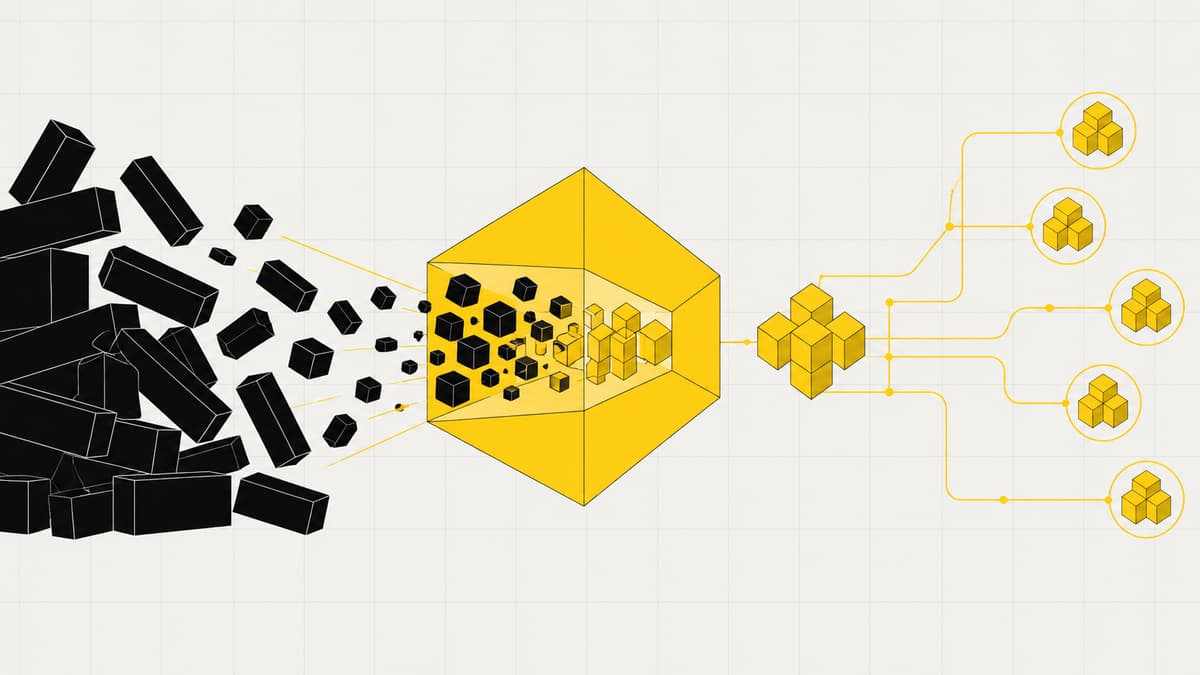
Industrial marketing asset ownership strategies covering account migration, data recovery, and the transition to a proprietary lead engine to stop asset hostage syndrome.

Page 2 · 282 published articles