How to Fix the 'Cannot Answer Revenue Question' Gap in B2B Marketing Attribution
Bridging the gap between marketing spend and actual machine sales, and what has to be instrumented for the answer to exist.

Knowledge infrastructure
Research and practical thinking on SEO, AEO, GEO and the systems that shape visibility across Google, ChatGPT and AI search.
3 articles
Master the art of generating high-quality B2B leads with limited staff by leveraging AI search optimization and semantic authority to automate your pipeline.
3 articles
Transform complex engineering documentation into a high-performance lead generation engine. Learn how to align technical assets with AI discovery patterns.
4 articles
Optimize industrial event returns by shifting from vanity metrics to a model of digital authority. Learn how to align physical presence with AI-driven buyer discovery.
4 articles
4 articles
A long B2B sales cycle runs for months because engineers, procurement, finance and leadership must all agree. This guide shows where industrial deals stall, how to keep every role engaged, what content and cadence work, and how to shorten and measure the cycle.
4 articles
Maximize B2B marketing efficiency by transitioning from raw lead volume to qualified pipeline metrics. Learn the framework for measuring and reducing acquisition costs.
4 articles
Establish a rigorous standard for industrial lead qualification to stop wasting technical resources and align sales and marketing through AI-driven authority.
4 articles
Transition from low-intent ad clicks to high-value industrial partnerships by aligning your technical expertise with how modern buyers research solutions via AI.
6 articles
Master the shift from ranking links to owning the direct response. Learn how to structure B2B knowledge so AI assistants cite your brand as the definitive authority.
Bridging the gap between marketing spend and actual machine sales, and what has to be instrumented for the answer to exist.
A technical framework for connecting LLMs to proprietary data, covering the transition from unstructured data to AI-ready knowledge to reduce factual errors in B2B buyer journeys.

Analysis of strategic vulnerabilities in B2B lead generation, covering the transition from physical event reliance to AI-retrievable digital presence for consistent opportunity flow.

Evaluating a GEO agency involves analyzing the transition from traditional keyword rankings to AI-driven citations. This guide covers vendor capabilities, pricing models, and the shift in B2B buyer behavior.

Analysis of event spend inefficiency, exploring the gap between booth traffic and closed deals through the lens of AI-driven buyer discovery and inbound authority.

The opaque nature of LLM retrieval and the resulting citation gap are analyzed through semantic structuring and machine-readability to improve the probability of being cited.

The disconnect between standard marketing software and technical industrial buyers impacts lead quality. This analysis covers buyer intent, AI search habits, and how to build technical authority.

Analyzing technical asset interactions through web-based data identifies which engineering arguments drive B2B decisions, moving beyond untrackable PDF downloads to measurable conversion paths.

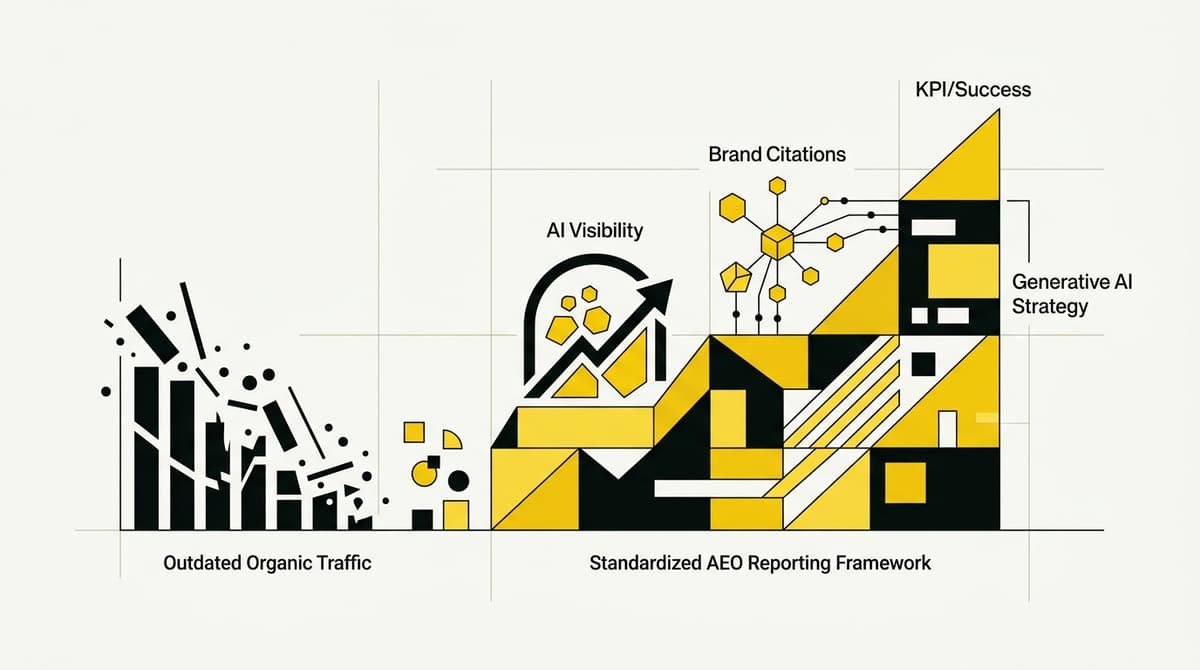
A framework for measuring AI search performance and brand citations to replace outdated organic traffic metrics and justify generative AI strategy to board-level executives.
A strategic combination of lean tools and AI optimization that eliminates software waste and creates a stable flow of high-intent B2B buyers for small marketing departments.

Analysis of synchronization between content delivery and industrial project phases to prevent rigid nurturing and maintain technical authority during long B2B procurement journeys.

A framework for mapping B2B technical documentation into entity-based structures, resolving the unstructured knowledge barrier to make expertise retrievable for AI agents.

Page 6 · 282 published articles