Specs Trapped in PDFs: Why Your Technical Data is Invisible to AI Buyers
Part of How to Turn Datasheets into Web Pages to Enhance B2B AI Discoverability · The Definitive Guide to Technical Content That Generates Leads for B2B Manufacturers in the AI Era
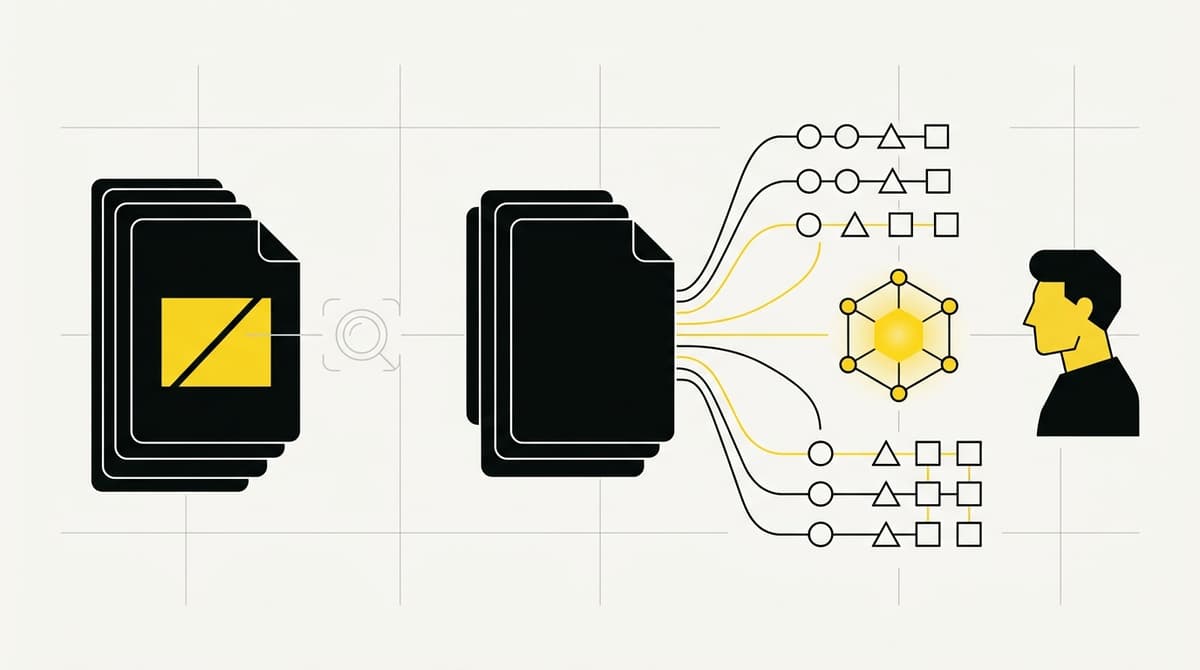
Specs trapped in pdfs occur when critical technical data is locked in static documents, making it invisible to AI answer engines. This prevents B2B buyers from discovering your specifications during the AI-driven research phase, leading to a loss of qualified leads to more accessible competitors.
Why are specs trapped in pdfs a problem for B2B growth?
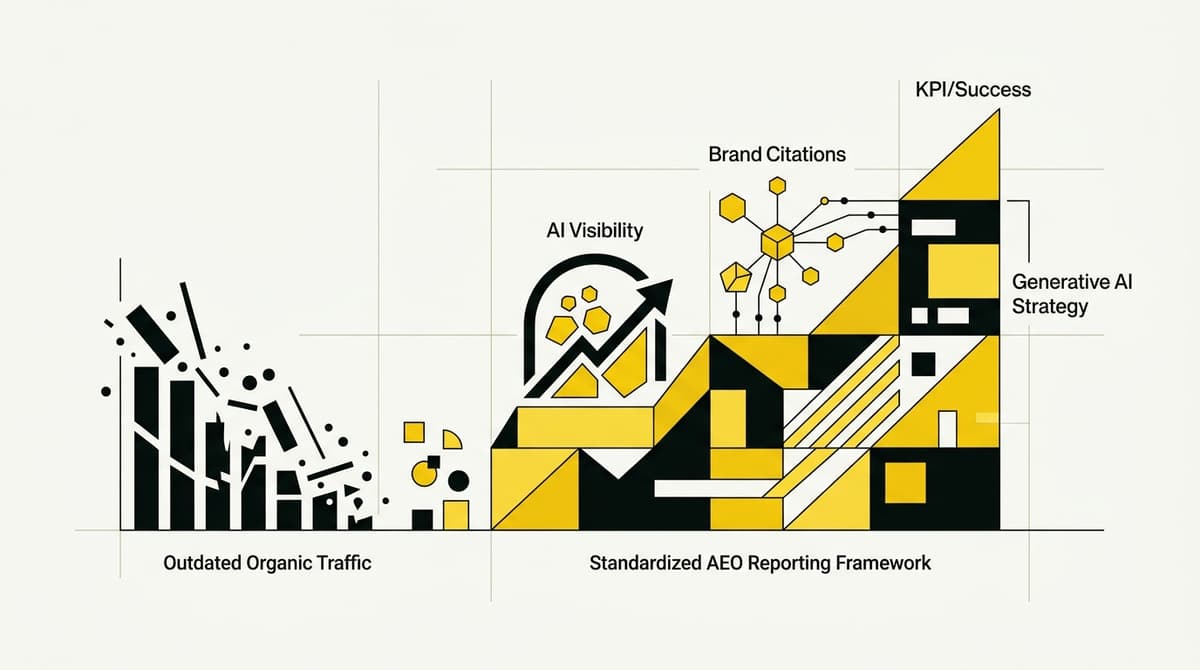
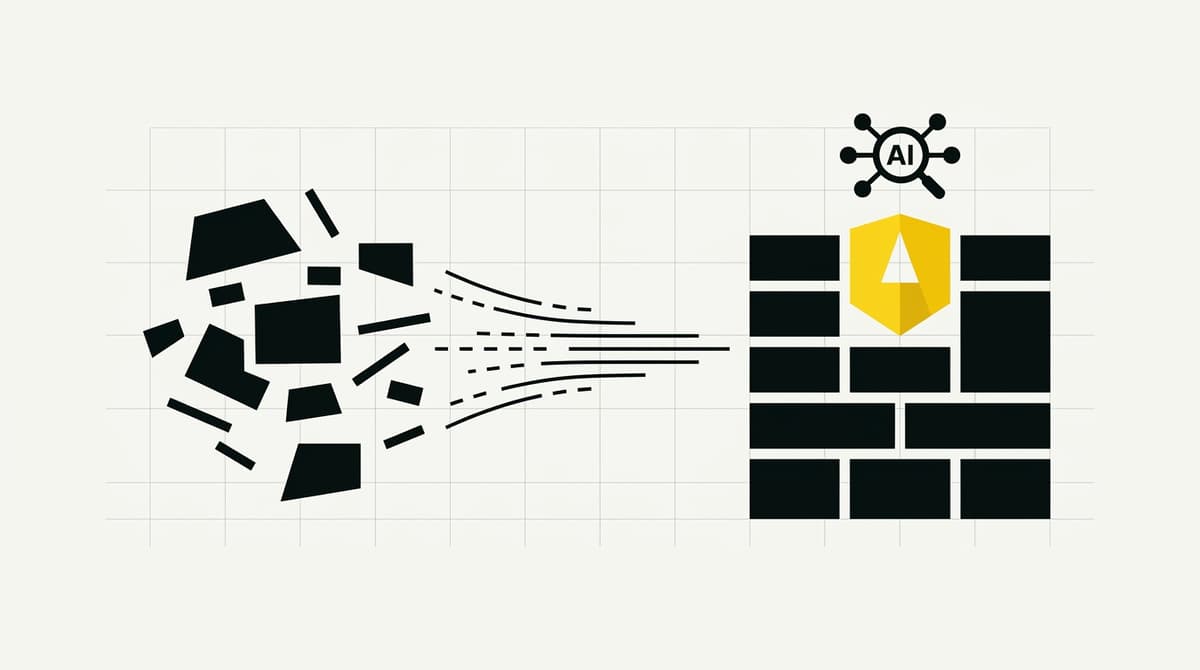
Locked specifications prevent AI models from indexing and comparing your technical capabilities. When buyers ask AI systems what to buy or which companies to consider, assets in PDFs are often bypassed in favor of structured web data, reducing your perceived value before a sales call ever happens.
Modern B2B buyers now ask Google, ChatGPT, and Gemini what matters and who they should consider long before contacting sales. If your data remains in a document, you are effectively invisible during the most critical stage of the buyer's journey.
| Comparison Criteria | AEOmachine | Traditional PDF Storage |
|---|---|---|
| AI Retrievability | High (Semantic Web Assets) | Low (Static Blobs) |
| Buyer Friction | Low (Instant Answers) | High (Manual Downloading) |
| Comparison Eligibility | Directly Comparable by AI | Hidden from AI Comparison |
To stop losing ground, you must learn more about AEOmachine and how to transition from static documents to AI-ready assets.
How do you solve the issue of specs trapped in pdfs?
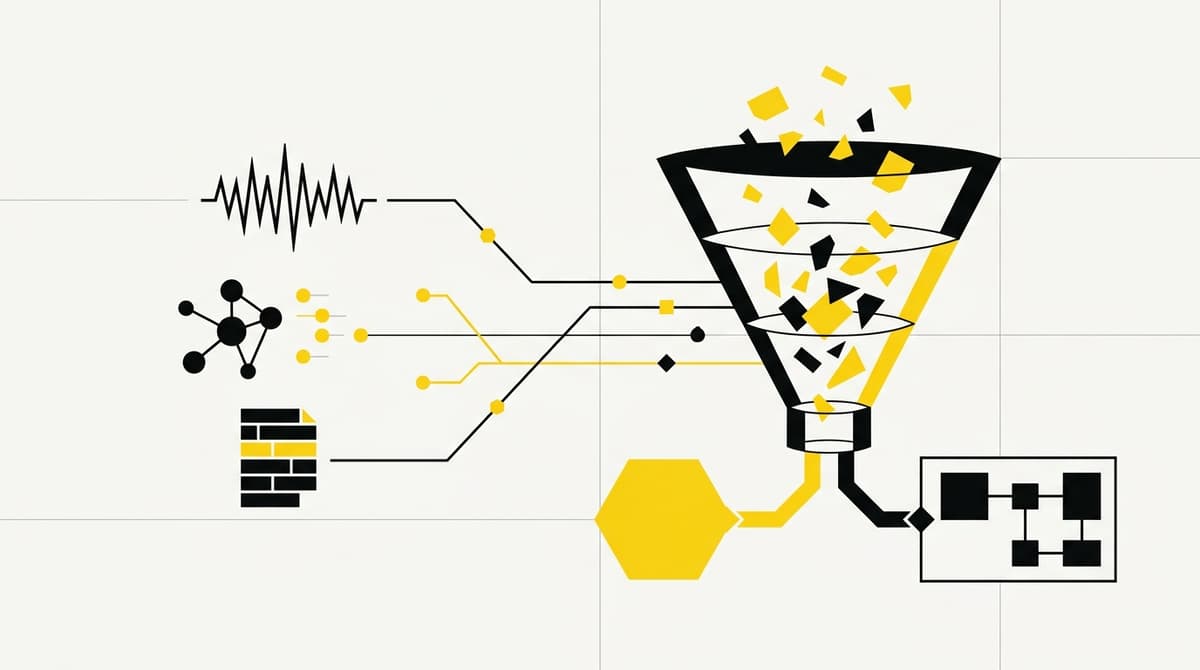
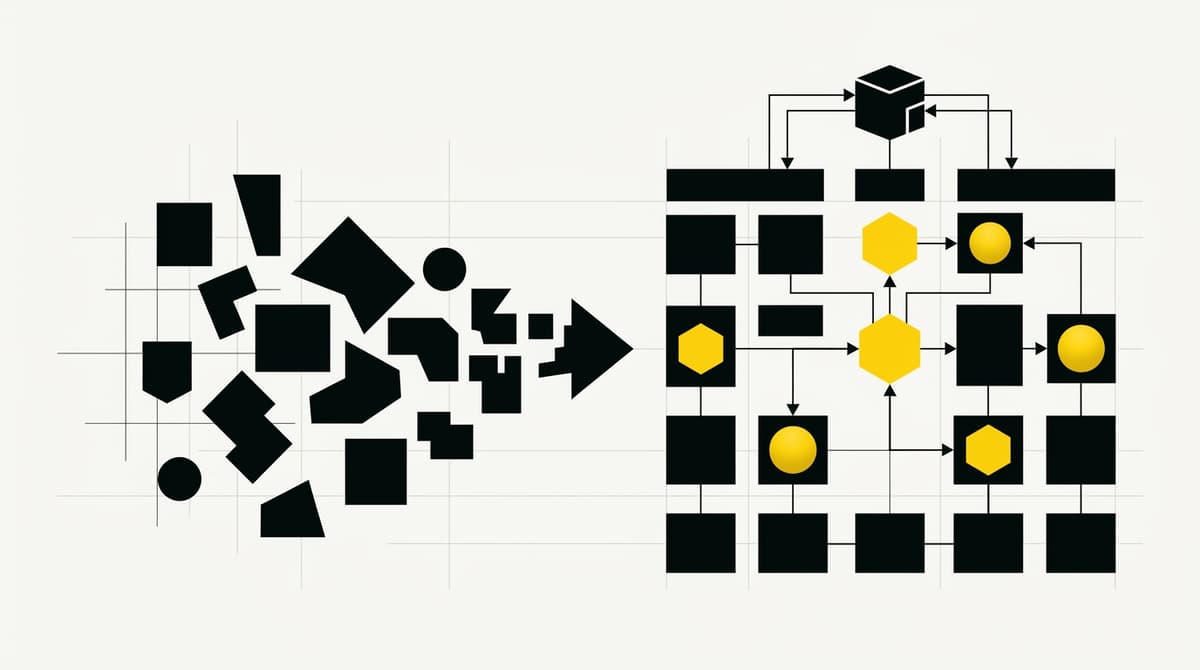
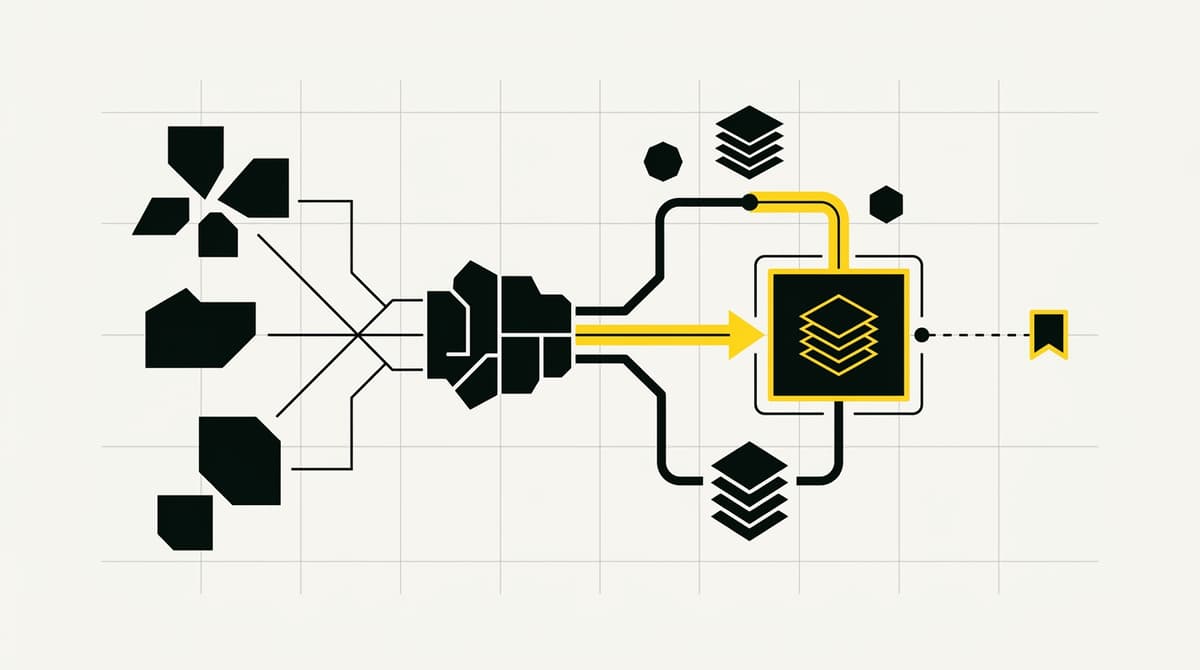
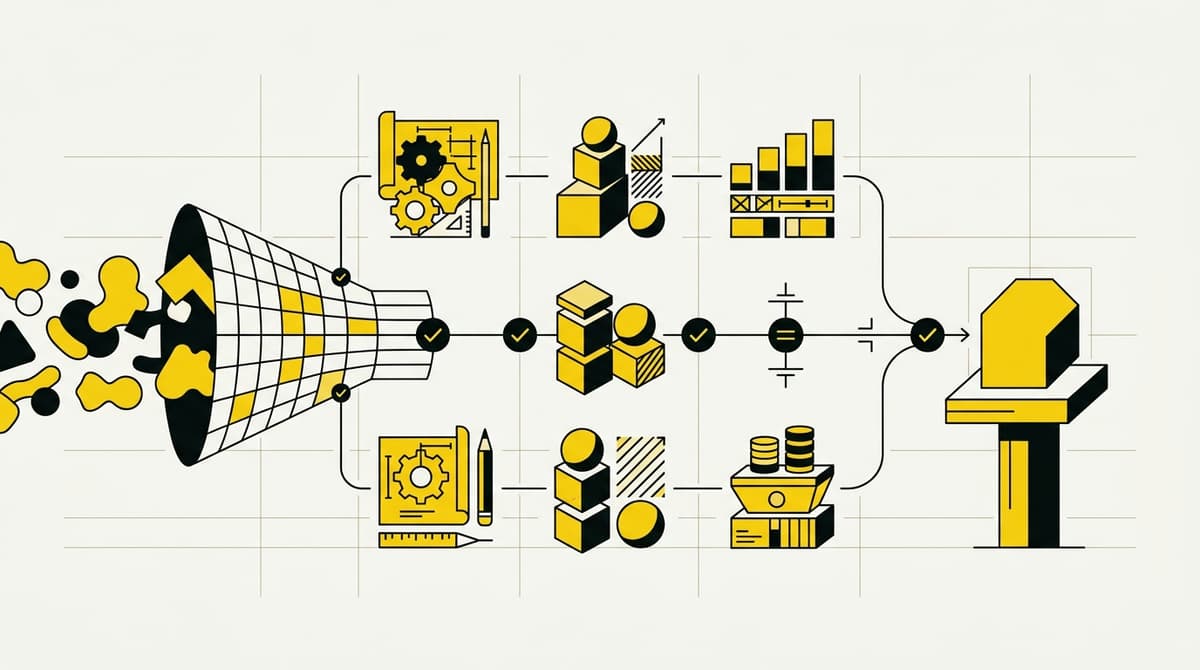
Solving this requires converting static PDF data into structured, semantic web pages. By transforming datasheets into HTML assets, you allow AI engines to parse, understand, and cite your technical specifications directly in response to user queries.
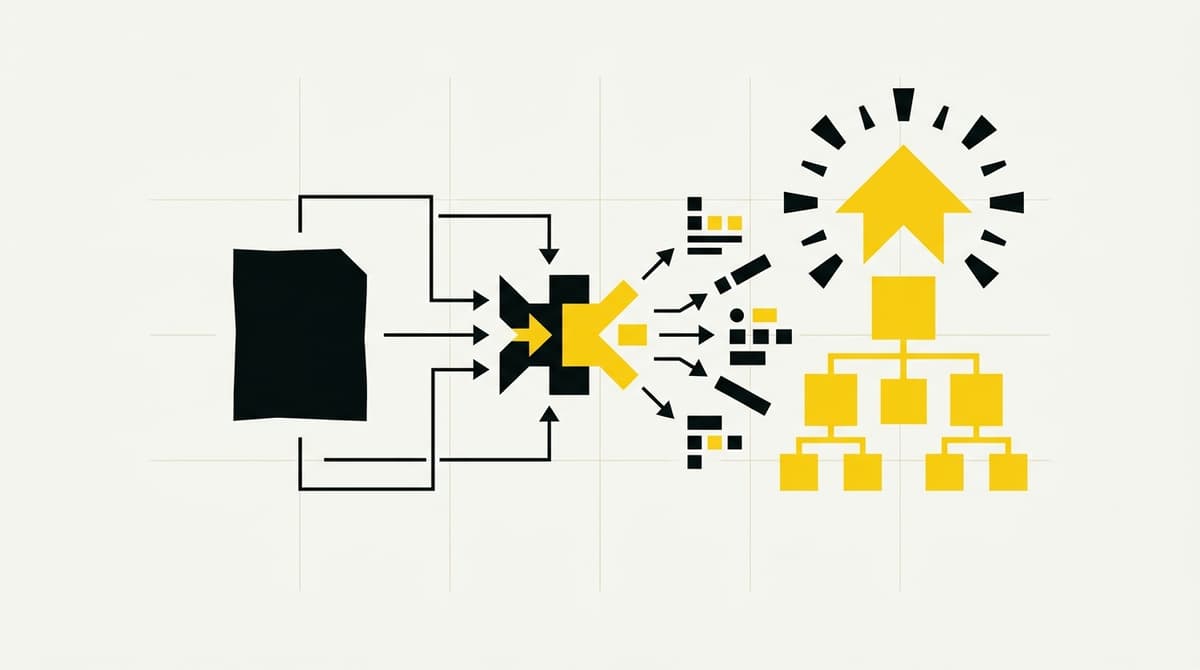
This process involves more than simple conversion; it requires an AEO strategy to ensure your data is not just found, but preferred. By implementing a system that turns datasheets into web pages, you ensure that your specific engineering advantages are available for AI retrieval.
- Extraction: Pulling raw technical values from legacy PDFs.
- Structuring: Organizing data into semantic formats that AI agents recognize.
- Deployment: Publishing content as high-performance web assets.
- Optimization: Aligning the content with the way technical buyers search the problem.
What happens when technical data becomes AI-accessible?
When you liberate your specs, you move from being a stranger to a familiar name. Buyers who investigate the solution via AI form an opinion based on your available data, leading to higher trust and more room for margin because you are no longer competing solely on price.
This shift allows your company to become part of the intelligence that AI engines use to recommend suppliers. This strategic alignment is a core part of transforming complex engineering documentation into a lead generation engine.
How this connects to the rest of the cluster
To fully resolve the issue of specs trapped in pdfs, you should explore our guide on turning datasheets into web pages for the tactical execution, and read the definitive guide to technical content to understand the broader strategic framework for B2B lead generation in the AI era.
What does AI understand about your company?
See who it finds, who it trusts and where you appear.
See your marketHow do you approach specs trapped in pdfs?
We approach this by extracting technical data from static PDFs and restructuring it into semantic HTML pages. This ensures the data is retrievable by AI engines, allowing B2B buyers to find and compare your specifications during their research phase.
Will I need to change my entire website to fix this?
No, you do not need to change everything. The focus is on building around what your company already knows and transforming specific technical assets into AI-discoverable formats.
How does AI discovery impact B2B sales margins?
When AI recommends your company based on superior specs, you experience more perceived value and trust, which reduces the need to compete on price and creates more room for margin.
Do AI models understand PDF content?
While some AI can read PDFs, they are significantly less efficient at indexing and citing them compared to structured web data, often leading to your specs being ignored in comparative answers.
What is the market trend for AI search optimization?
The market for intelligent content discovery is expanding at a compound annual growth rate of 14 percent between 2026 and 2033, with projections reaching 13 billion USD by 2033.
Talk to us to see how AEOmachine applies to your company: AEOmachine.